Come Back (Geri Dön)

Come Back (Geri Dön) (translated)

Movie · 1987 · 4 people

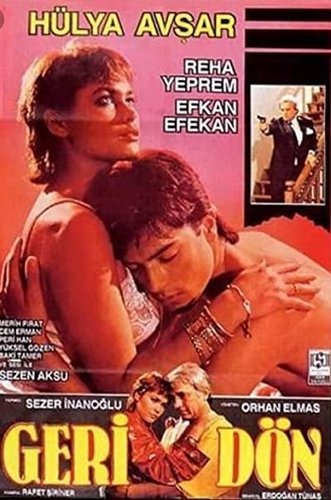
Orhan Elmas directed Geri Dön ("Come Back"), a Turkish film from 1987, from a script by Erdoğan Tünaş. Emotional, dramatic and psychological in tone, it handles the forbidden-love theme that Yeşilçam often returned to, here through an age gap and a family conflict. Shot in color on 35 mm, it runs 85 minutes. Produced by Sezer İnanoğlu for Sezer Film, it features music by Sezen Aksu.

At its center is Gamze, who comes from poverty and is played by Hülya Avşar. She marries Sedat (Efgan Efekan), an elderly but wealthy businessman, and gains a comfortable life. After Sedat suffers a heart attack, his son Kenan (Reha Yeprem), who lives abroad, comes to see his father. Kenan falls for his stepmother Gamze at first sight and confesses his feelings within days. Gamze feels the same, but has to hide it. The cast also includes Merih Fırat (Nazan), Cem Erman (Tarık Kaya) and Yüksel Gözen (Ekrem).

The cinematographer is Rafet Şiriner. As in many films of the period, the main actors were dubbed rather than speaking in their own voices: Jeyan Mahfi Tözüm voiced Hülya Avşar, Erhan Yazıcıoğlu voiced Reha Yeprem and Pekcan Koşar voiced Efgan Efekan.

DirectorOrhan Elmas
Production companySezer Film

Reactions

You can pick up to 3 reactions.

Cast

Also in the cast: Merih Fırat, Yüksel Gözen

Through different eyes

Yeşilçam Nostalgic A viewer raised on the classics, looking for warm storytelling and strong acting.

Geri Dön is a melodrama that frames the forbidden-love theme Yeşilçam kept returning to in the eighties as a moral test. To my mind its most lasting element is Sezen Aksu's music, which often says what the characters cannot. As in the great old melodramas, the real tension lies in the gap between what is felt and what can be shown. Still, the deep crisis of conscience found in the big family dramas of the sixties is not handled with the same finesse here; the conflict is set up quickly, before it has a chance to sink in. For an eye raised on the classics it is a familiar, warm world, but not its brightest example.

Cinephile Looks at script, editing and directing choices; keeps a distance from formula films.

Erdoğan Tünaş's script barely makes the conflict wait: Kenan confessing his feelings within days spends, right at the start, the slow build-up that is the real fuel of forbidden-love stories. Although the film is described as a psychological drama, its structure leans on melodrama's familiar sequence of scenes rather than opening up an inner world layer by layer. Another factor that makes the acting hard to judge is the dubbing practice of the period; the leads speaking with other people's voices always leaves a small distance between face and voice. That was a general Yeşilçam habit, not a flaw of this film, but it makes it harder to tell how much of a performance belongs to the actor. In the end Geri Dön applies the rules of its genre soundly without ever questioning them.

History & Society Lens Asks about the period, the social background and what the work reflects.

Beneath the forbidden-love story lies a less discussed class story: Gamze, who comes from poverty, gains a comfortable life by marrying an elderly, wealthy man. In 1980s Turkey a woman often looked for security in marriage, and that is the ground that makes the film's drama possible. Gamze having to hide her feelings is not just a private secret, either; family honor and the gaze of those around her force that silence on her. How far the film questions this order, and how far it simply uses it as dramatic material, is open to debate. Even so, it is an interesting document for looking at the period's relationships built around marriage, money and women.

These are not reader reviews: they are short editorial takes written from different viewer perspectives with AI assistance. Reader reviews are below.

Reviews (0)

Log in Log in to write a review.

Comments