Little Lady (Küçük Hanımefendi)

Little Lady (Küçük Hanımefendi) (translated)

TV Series · 2011–2012 · 10 people

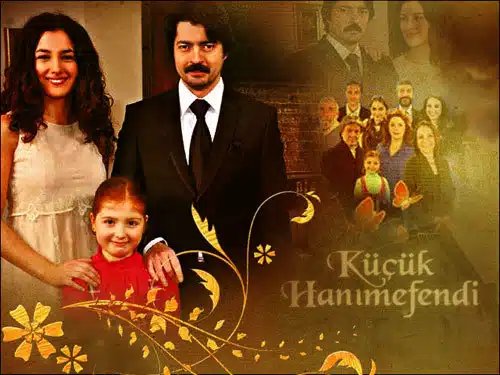
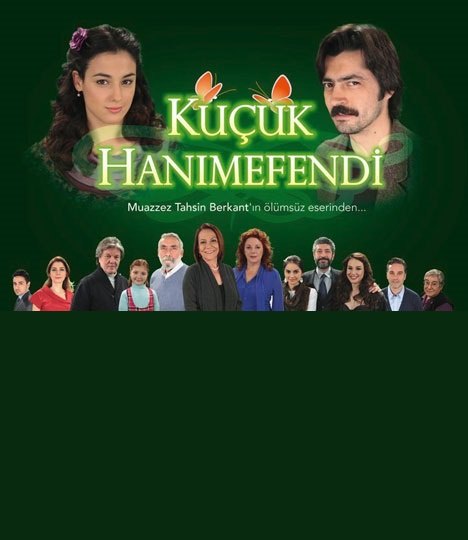
Küçük Hanımefendi is a 2011 family drama on TRT 1, adapted from Muazzez Tahsin Berkand's novel of the same name. AT Yapım, run by Atalay Taşdiken, produced it; Serpil Kurtça and Özer Kızıltan directed, and the writing team was Rüya İşçileri. It began on February 25, 2011. The first season of 16 episodes aired Friday nights at 8 p.m. and ended in June; the second began on September 9, 2011, and ended after 24 episodes on March 2, 2012, for 40 in all.

The daughter of a wealthy family, Neriman (Cansu Tosun) has been shut away at home on the excuse of a made-up illness since her father died. Eager to live by her own feelings and choices, she looks to Ömer (Barış Bağcı), the boy she has loved since childhood, as her rescuer. Ömer's heart, though, has never left his former wife Nüveyre, the mother of his daughter, and he agrees to the marriage not out of love but because of his family's money troubles. Devoted to him with an innocent love, Neriman will not believe that money lies behind their wedding. In other roles, Derya Alabora plays Fehime, Ece Özdikici Ceyda, Taner Ertürkler Suat, Barış Arduç Cenk, Beyazıt Gülercan Feridun Bey, Kazım Akşar Numan Bey and Rıza Sönmez Münir.

Production companyAT Yapım
NetworkTRT 1
Little Lady (Küçük Hanımefendi)

Reactions

You can pick up to 3 reactions.

Cast

Through different eyes

AI-assisted editorial takes written from different viewer perspectives. They are not reader reviews; those are below.

Series Binger A series devotee tracking character arcs, cast chemistry and season pacing.

The real engine of Küçük Hanımefendi is the tension between two leads who want completely different things. Neriman is looking for a rescuing love, while Ömer's mind is on his family's finances and on his former wife; handled well, that imbalance can carry every episode. Stretching the same illusion across two seasons is a risky choice, though: past a certain point, Neriman's refusal to face the truth can feel like stalling rather than character growth. Still, for fans of troubled love stories, it rewards some patience.

History & Society Lens Asks about the period, the social background and what the work reflects.

Drawn from Muazzez Tahsin Berkand's novel, the story centers on the unwritten rules that keep a wealthy family's daughter at home. Neriman being shut in on the pretext of an illness is a strong image of how a woman's right to choose her own life can be curtailed within the family. Ömer, meanwhile, enters the marriage because of money troubles, which shows how far class differences seep into matters of the heart. Placing these two pressures side by side, the series describes less a love story than a world where marriage can still be treated as an economic bargain.

Cinephile Looks at script, editing and directing choices; keeps a distance from formula films.

The biggest trap in novel adaptations like this is reducing a character with a rich inner life to tears and waiting. Küçük Hanımefendi's premise offers a solid dramatic axis, Neriman's self-deception against Ömer's divided loyalty; the danger is that it gets padded out with familiar melodrama devices, long gazes and postponed confrontations. With two directors and a writing team, holding the storytelling to a single voice is no easy task either. Even so, on paper Ömer is neither wholly villain nor wholly innocent, and that moral grayness lifts the conflict above the genre's average.

Reviews (0)

Log in Log in to write a review.

Comments