Sefiller

Les Misérables

Movie · 1995 · 7 people

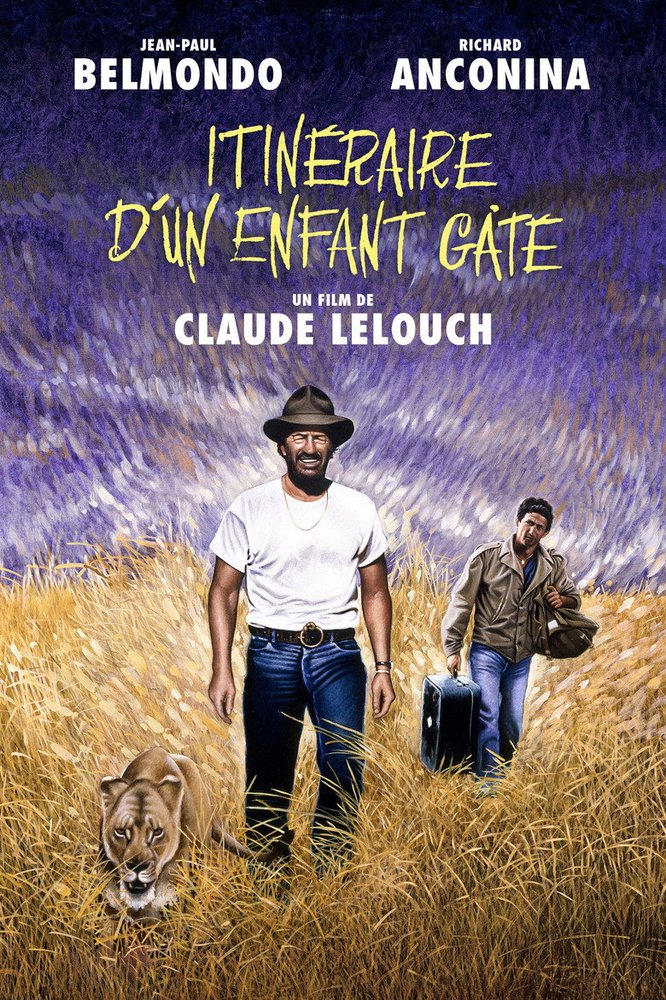
Claude Lelouch made Les Misérables (Sefiller in Turkey) in 1995, a French drama and war film running about three hours. It counts as one of the freest screen versions of Victor Hugo's 1862 novel: Lelouch moves the story from the 19th century to France during the Second World War. Hugo's book had been filmed dozens of times since 1909. The film opened in Turkey on 2 February 1996.

Its hero is Henri Fortin, an illiterate former boxer who owns a haulage truck, played by Jean-Paul Belmondo. He agrees to smuggle a wealthy Jewish lawyer named Ziman (Michel Boujenah) and his family to Switzerland. On the road the lawyer reads Hugo's novel to him, and Fortin starts to see parallels between Jean Valjean and himself, and between the people they meet and the book's characters. The cast also includes Annie Girardot, Alessandra Martines, Philippe Léotard and Clémentine Célarié.

Lelouch wrote, directed and produced the film and shot it himself, for Canal+. Five composers, among them Francis Lai and Michel Legrand, shared the music. It won the Golden Globe for Best Foreign Language Film and a BAFTA nomination in the same category, and Annie Girardot took the César for Best Supporting Actress.

DirectorClaude Lelouch
Production companyCanal+

Reactions

You can pick up to 3 reactions.

Cast

Only cast members with a profile on this site are listed.

Through different eyes

Yeşilçam Nostalgic A viewer raised on the classics, looking for warm storytelling and strong acting.

For my generation, Victor Hugo's Les Misérables is more than a novel; it is a lesson in conscience. Claude Lelouch's daring lies in moving the story to France in the Second World War and turning it into an adventure in reading. An illiterate former boxer, Henri Fortin, finding himself in Jean Valjean thanks to the lawyer who reads him the novel on the road is a lovely idea. For anyone who believes literature can change a person, it feels like a heartfelt ceremony. Seeing Jean-Paul Belmondo in such a dignified role is a pleasure of its own, and the composers, Francis Lai and Michel Legrand among them, do the music justice.

Cinephile Looks at script, editing and directing choices; keeps a distance from formula films.

Lelouch's Les Misérables refuses to be just one of the novel's dozens of adaptations; it uses Hugo not as a source but as a mirror. Having the book read aloud inside the story, prompting the characters to compare it with their own lives, is a bold structure rarely seen on screen. Lelouch writing, directing, producing and shooting the film himself also brings a deeply personal vision. That personal touch comes at a price, though: once the parallels are established, the roughly three-hour running time turns at times into a repetitive heaviness, and the edit could have taken bolder cuts. Still, the Golden Globe for Best Foreign Language Film and Annie Girardot's César show that this ambitious experiment did not go unrewarded.

History & Society Lens Asks about the period, the social background and what the work reflects.

Lelouch's most intriguing decision is to move Hugo's 19th-century misery into France during the Second World War. When an illiterate trucker agrees to smuggle a wealthy Jewish lawyer and his family to Switzerland, their crossed paths put class difference and the ordinary person's conscience in the face of persecution into the same frame. The film suggests that injustice belongs to no single era but returns in a new disguise. Literature helping an illiterate man make sense of his own life is also a quiet comment on access to education and culture. Still, this is no historical panorama; the war years serve mainly as the ground for the characters' moral test.

These are not reader reviews: they are short editorial takes written from different viewer perspectives with AI assistance. Reader reviews are below.

Reviews (0)

Log in Log in to write a review.

Comments