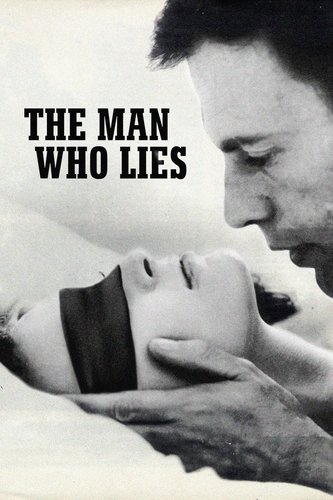
The Man Who Lies

The Man Who Lies (L'Homme qui ment)

Movie · 1968 · 7 people

The French-Czechoslovak art film The Man Who Lies (French: L'Homme qui ment, Slovak: Muž, ktorý luže) came out in 1968. Shot in French and running about 95 minutes, this drama bears the signature of writer-director Alain Robbe-Grillet, who also wrote the screenplay. It is regarded as a well-known example of his experimental approach to cinema.

Jean-Louis Trintignant takes the lead, and Catherine Robbe-Grillet is also in the cast. The cast list further names Sylvia Turbová, Zuzana Kocúriková, Július Vašek, Jozef Kroner and Ivan Letko. The film was shown in the competition of the 18th Berlin International Film Festival, where Trintignant received the Silver Bear for Best Actor for the role.

The film has also left a mark in critical writing. Gilles Deleuze used it as a central case in his lecture "Truth and Time: The Forger", while André Gardies gave it extensive space in his 1980 book on film narrative, Approche du récit filmique. Robbe-Grillet himself discussed the film in a series of interviews with François Jost, published as Entretiens sur l'Homme qui ment.

DirectorAlain Robbe-Grillet

Reactions

You can pick up to 3 reactions.

Cast

Only cast members with a profile on this site are listed.
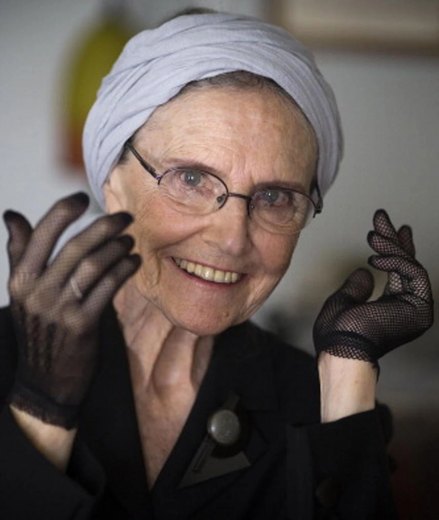
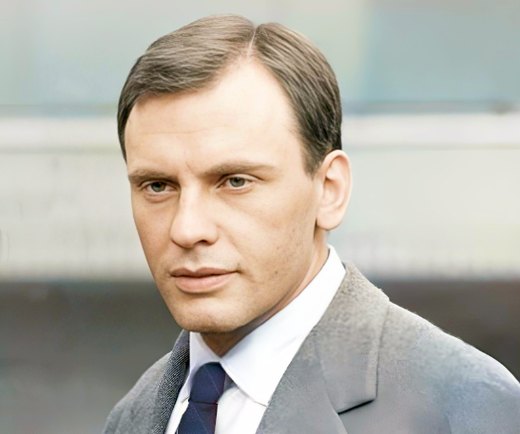
Catherine Robbe-Grillet Catherine Robbe-Grillet Actor · 96 years old Jean-Louis Trintignant Jean-Louis Trintignant Character Actor · died at 91 Sylvia Turbová Zuzana Kocúriková Július Vašek Jozef Kroner Ivan Letko
Through different eyes

Cinephile Looks at script, editing and directing choices; keeps a distance from formula films.

Robbe-Grillet's film is an experiment that makes distrusting the narrator the viewer's main job. The title sets the rule of the game from the start: everything we are told is suspect, and the structure is built to keep that suspicion alive. It is no accident that Deleuze leaned on it when discussing the figure of the forger; the link between truth and time is deliberately loosened here. Trintignant's Silver Bear-winning performance in Berlin is the load-bearing column of this slippery design. Still, it has to be said that on screen the film is not as warm an experience as its reputation in theory suggests; there is a coldness that consciously makes it hard to connect with the characters. Essential for anyone drawn to formal experiment, a tiring puzzle for anyone after a story.

History & Society Lens Asks about the period, the social background and what the work reflects.

It is fruitful to read the film as part of the modernist current in 1960s European cinema that questioned storytelling itself. Being a French-Czechoslovak co-production, it is a reminder that two different film traditions could meet on one project in those years. That a story centred on a man who lies caught the interest of philosophers and narrative theorists makes sense; the trail from Deleuze's lectures to Gardies's book shows it became a reference text for an intellectual generation. Yet it offers a thought experiment rather than a social portrait, and has little to say to anyone hoping to see the everyday life of its time.

Family Viewer Asks whether the whole household can watch it; cares about humour and heart.

This is not a film to put on with the kids after dinner. It is an experimental art film that, instead of telling its story in a straight line, leaves it to the viewer to decide what is true and what is a lie. Children and teenagers will most likely lose interest fast. It suits adults who love cinema and want something to watch on a quiet evening and discuss afterwards. If you want something the whole family will enjoy, choose another film.

These are not reader reviews: they are short editorial takes written from different viewer perspectives with AI assistance. Reader reviews are below.

Reviews (0)

Log in Log in to write a review.

Comments