

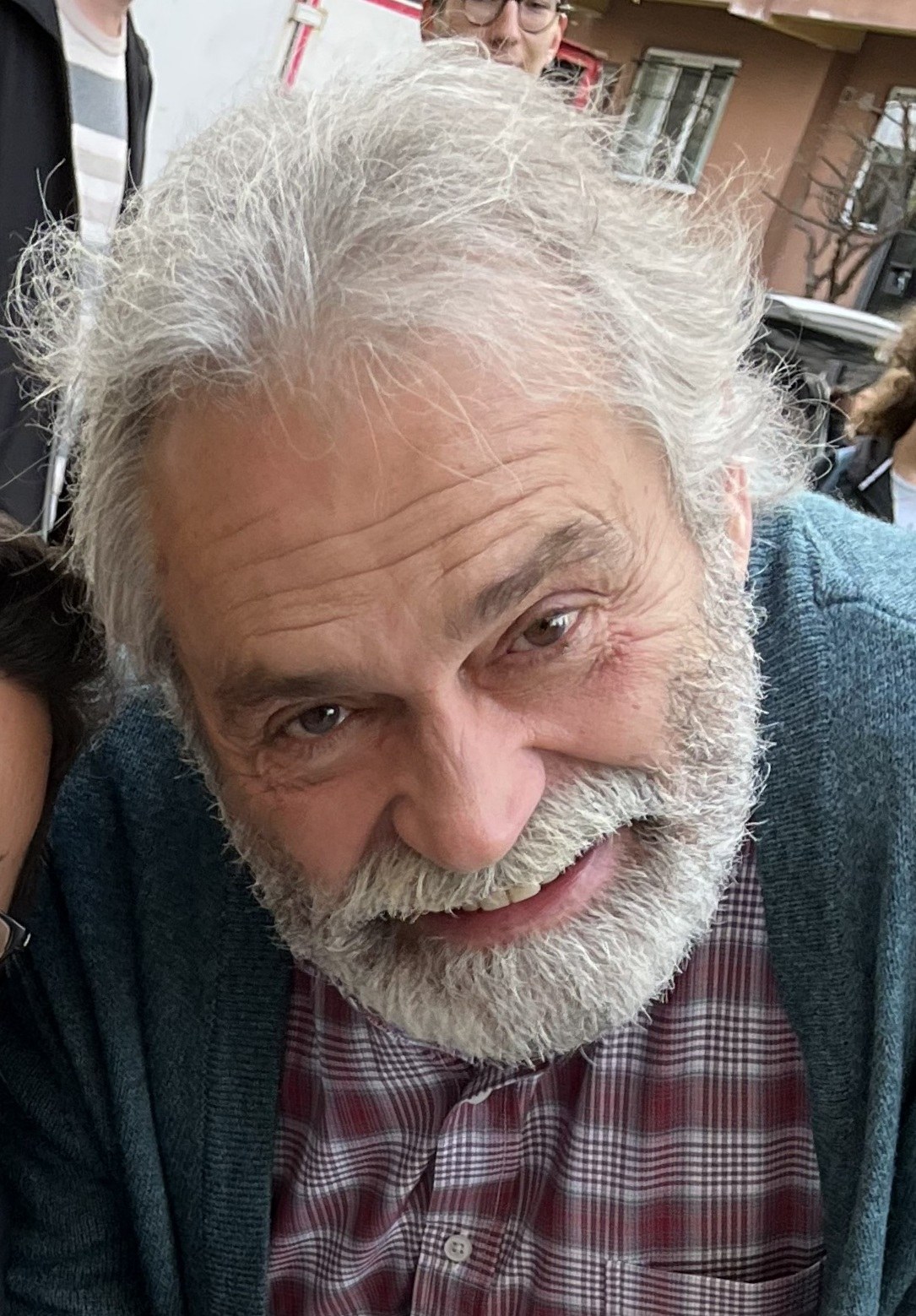
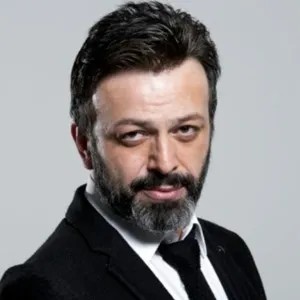
Serhat Kılıç
Actor · 51 years old
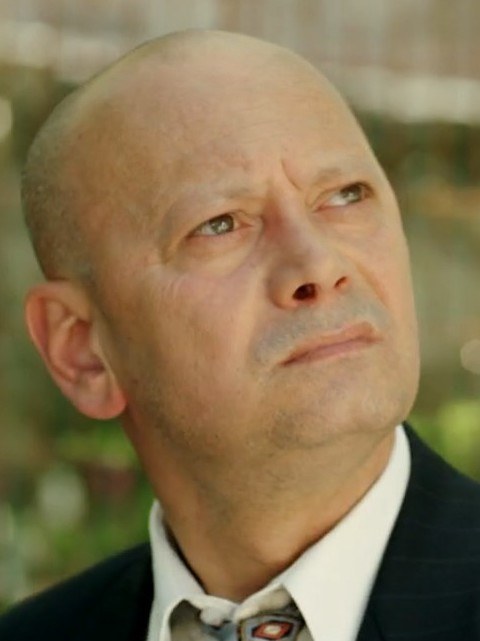
Deli Lütfi in the series Mehmed: Fetihler Sultanı
Profile
| Age | 51 |
|---|---|
| Birth date | July 8, 1975 |
| Birthplace | Ankara |
| Profession | Actor |
| Zodiac sign | Cancer |
| Eye color | Brown |
| Education | Bilkent University Faculty of Music and Performing Arts, Theatre Department |
In the rankings



Filmography / Projects
-
 Mehmed: Sultan of Conquests (Mehmed: Fetihler Sultanı) (translated)
-
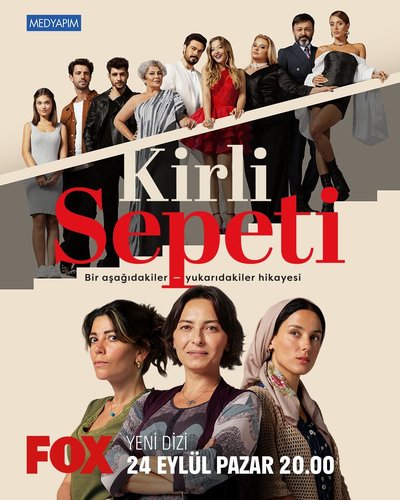 Laundry Basket (Kirli Sepeti) (translated)
- Cenazemize Hoş Geldiniz
-
 From Maraş (Maraşlı) (translated)
-
 Şeref Bey
-
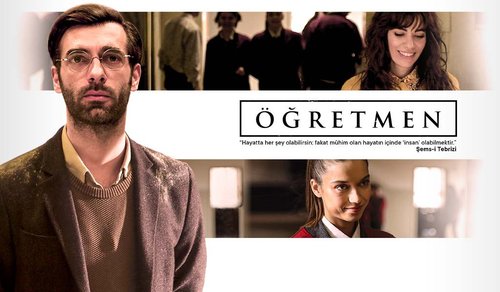 Teacher (Öğretmen) (translated)
-
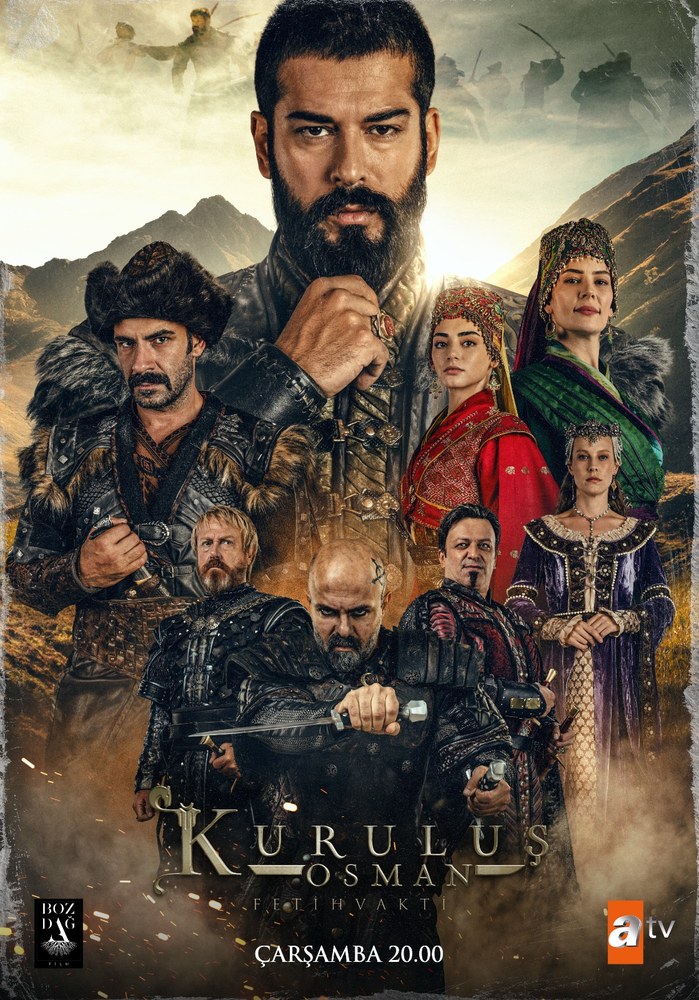 Kuruluş: Osman
-
 Promise (Söz) (translated)
- Robinson Crusoe & Friday (Robinson Crusoe & Cuma) (translated)
-
 Baskın
-
 Winter Sleep (Kış Uykusu)
-
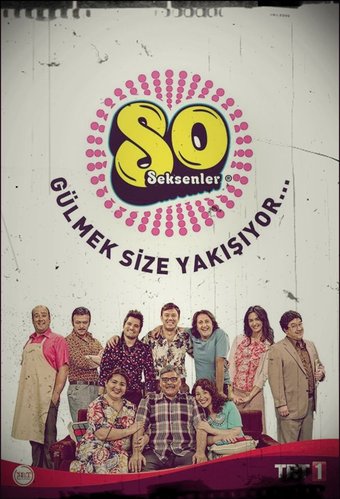 The Eighties (Seksenler) (translated)
- Elia's Journey
-
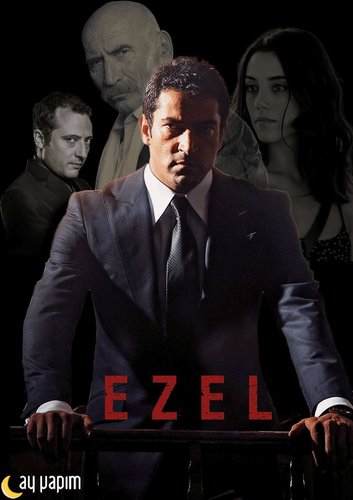 Ezel
-
 Farewell (Veda) (translated)
-
 My Mother Is an Angel (Benim Annem Bir Melek) (translated)
- My Travel Companion (Yol Arkadaşım) (translated)
-
 Dot (Nokta)
-
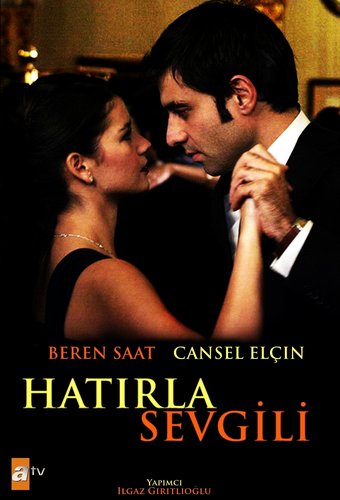 Remember, My Dear (Hatırla Sevgili) (translated)
- The Tree in the Pot (Saksıdaki Ağaç) (translated)
-
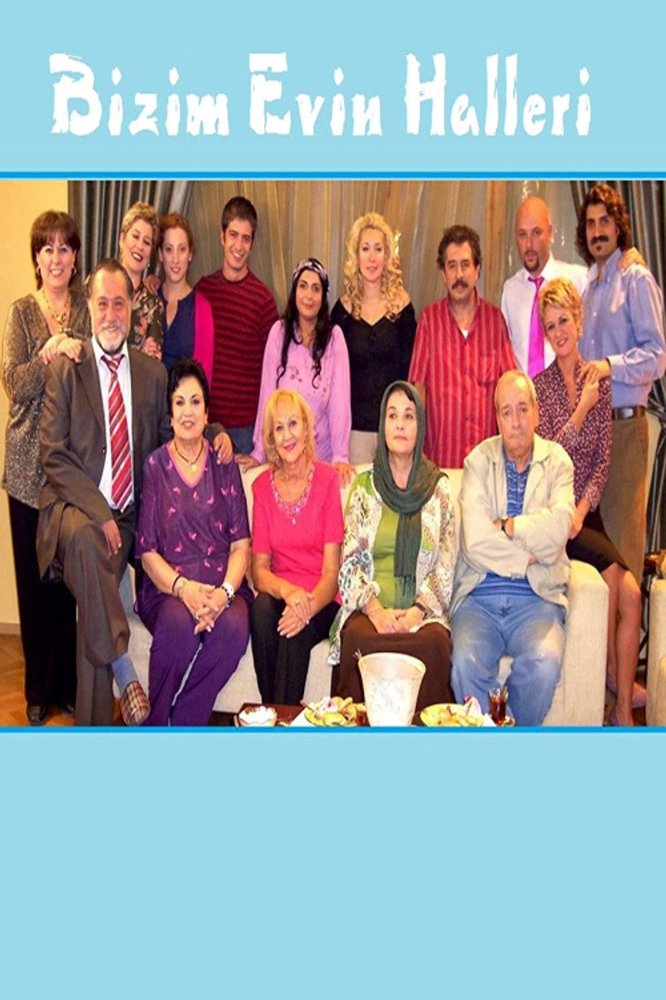 The Affairs of Our House (Bizim Evin Halleri) (translated)
- Choosing from None (Yoktan Seçmeli) (translated)
Serhat Kılıç — Biography
Serhat Kılıç is an actor from a stage background who has worked across theater, television, film and presenting in Turkey. He reached his widest audience as Ergun in Seksenler, while his Imam Hamdi in Nuri Bilge Ceylan's Palme d'Or winner Kış Uykusu is his most distinctive screen role. In 2025 he joined the cast of Mehmed: Fetihler Sultanı as Deli Lütfi.
His career was first shaped in the state theaters. After studying theater at Bilkent he gave his first professional performance at the Ankara Art Theatre, then worked at the Diyarbakır and Erzurum State Theatres and directed plays alongside acting. When he moved to Istanbul in 2008 he performed at Tiyatro Dot, BKM and the City Theatres; his four-character performance in İntiharın Genel Provası earned an Afife Theatre Awards nomination. On television he established himself with Bizim Evin Halleri, Hatırla Sevgili, Benim Annem Bir Melek, Ezel and Yol Arkadaşım, and in Veda he played Salih Bozok. Kış Uykusu brought him a Best Supporting Actor nomination at the SİYAD awards.
In later years he played Çolak in Söz, Köse Mihal in Kuruluş: Osman, Necati Türel in Maraşlı and Feyyaz in Kirli Sepeti. He taught at Atatürk University and in 2014 founded an acting school bearing his name.
Photos


Reactions
You can pick up to 3 reactions.
Comments