Gülbeyaz

Gülbeyaz

TV Series · 2002–2003 · 15 people

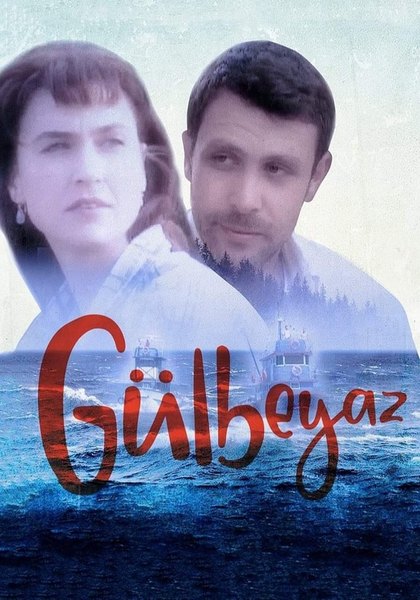
Gülbeyaz aired on Kanal D from December 13, 2002 to June 27, 2003 as a Turkish adventure and drama series. It ran for a single season of 26 episodes. eyeQ production made it and Özer Kızıltan directed. The series follows the lives of two families from the Black Sea region and is remembered as the best Black Sea series in Turkish television history.

At its center is the love between Gülbeyaz Dursunoğlu and Kadir Demiroğlu, children of the feuding Dursunoğlu and Demiroğlu families. Şevval Sam and Nejat İşler lead the cast, joined by Meral Çetinkaya, Kamran Usluer, Bora Ayanoğlu and Yeşim Ceren Bozoğlu. The show drew great interest on air and placed among the top of the ratings.

Kâzım Koyuncu composed the music and also appeared in some episodes, which made him known nationwide. Later episodes added tracks by Gökhan Birben. Thanks to its music, Black Sea music began to be heard by wide audiences. Preparation took place in early 2002, when the cast was also chosen. The Black Sea scenes were shot in the Amasra and Kurucaşile districts of Bartın, while most episodes were made in Istanbul.

DirectorÖzer Kızıltan
Production companyeyeQ production
NetworkKanal D

Reactions

You can pick up to 3 reactions.

Cast

Also in the cast: Bora Ayanoğlu
Through different eyes

Yeşilçam Nostalgic A viewer raised on the classics, looking for warm storytelling and strong acting.

In telling of the love between the children of two feuding families, Gülbeyaz leans on that timeless theme the old storytellers loved: the families at war, the hearts bound together. Yet the soul of the series lies in its music. Kâzım Koyuncu's compositions, and his appearances in some episodes, carried Black Sea melodies to a wide audience; it is a rare joy when a series brings a region's voice to the whole country. The pairing of Şevval Sam and Nejat İşler in the leads is warm too. With a single season of 26 episodes, it is a story that ended at the right moment instead of being stretched out.

History & Society Lens Asks about the period, the social background and what the work reflects.

Centered on the feuding Dursunoğlu and Demiroğlu families of the Black Sea region, Gülbeyaz explores how family ties and long-running enmities weigh on personal love. The show's cultural impact may even exceed its story: thanks to Kâzım Koyuncu's music, Black Sea music began reaching wide audiences, a good example of a regional culture gaining national visibility through television. On the other hand, with most episodes shot in Istanbul and the Black Sea scenes limited to Amasra and Kurucaşile, one wonders how much of the region's everyday texture really comes through; the Black Sea on screen may partly be one built by an urban gaze.

Cinephile Looks at script, editing and directing choices; keeps a distance from formula films.

Gülbeyaz transplants the lovers-from-feuding-families template to the Black Sea; the structure is familiar, but Özer Kızıltan's direction tries to make up for that familiarity with atmosphere. The show's strongest element is its music: Kâzım Koyuncu's compositions are not mere background but the emotional backbone of the narrative, and the tracks by Gökhan Birben added in later episodes continue that line. Şevval Sam and Nejat İşler manage to shoulder the story's melodramatic load. Even so, the well-worn turns of the feud-and-romance formula make the dramaturgy predictable at times; we watch the expected arrive rather than any surprise. Its compact single season of 26 episodes, though, is a clear advantage over today's endlessly stretched series.

These are not reader reviews: they are short editorial takes written from different viewer perspectives with AI assistance. Reader reviews are below.

Reviews (0)

Log in Log in to write a review.

Comments