La Cage aux Folles

La Cage aux Folles

Movie · 1978 · 4 people

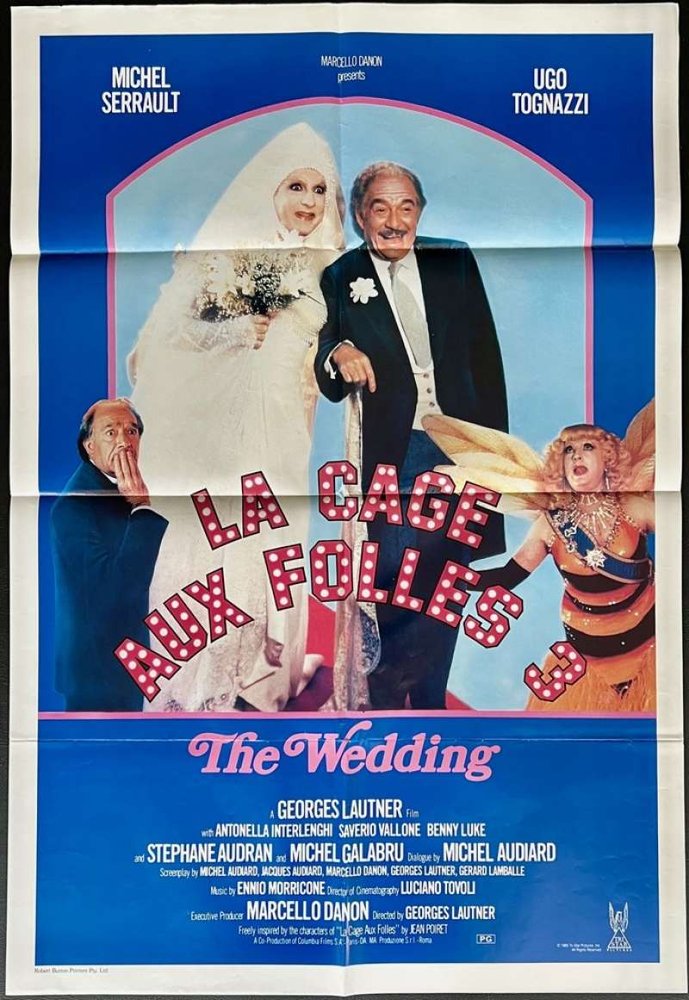
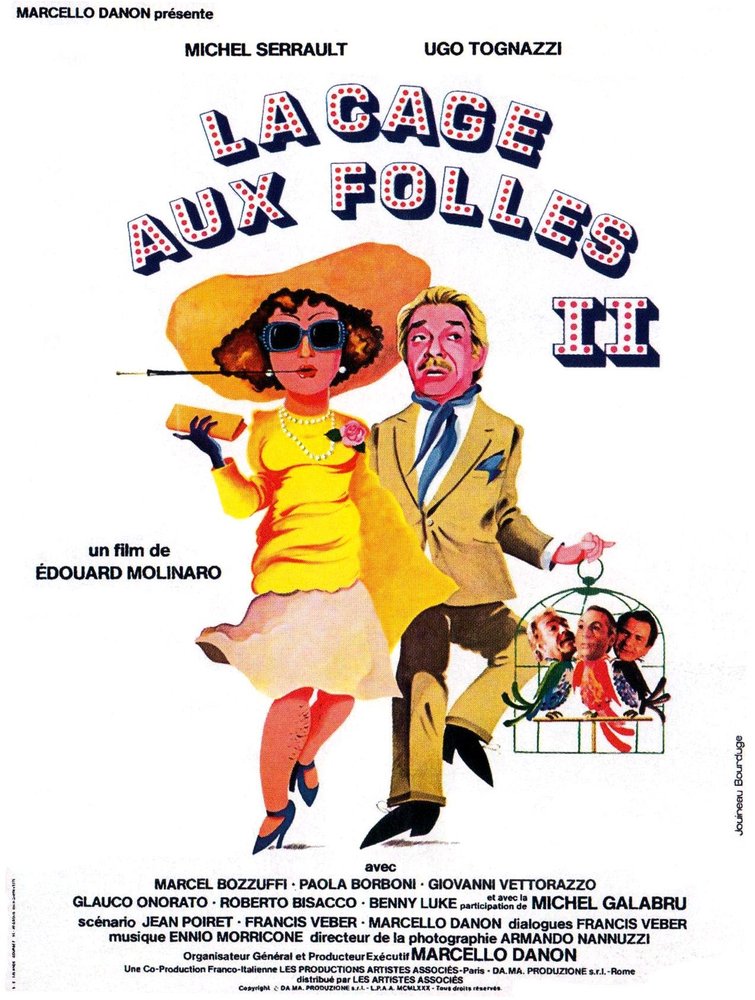
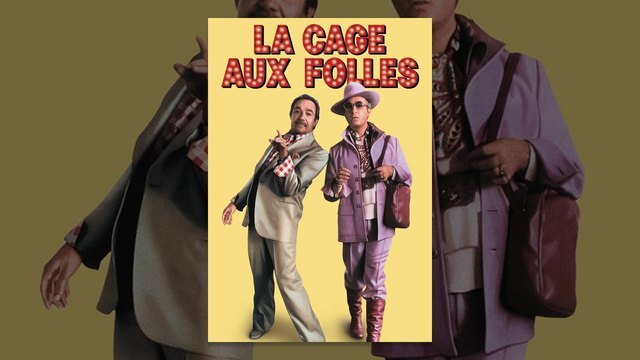
In 1978 the French-Italian comedy La Cage aux Folles reached the screen under Édouard Molinaro's direction. It is based on Jean Poiret's 1973 play, in which Michel Serrault had starred on stage and repeats his role in the film. It is regarded as the first feature about the queer scene to succeed worldwide. A hit in France, it was the most-seen foreign-language film in the US from 1980 to 1998.

Renato (Ugo Tognazzi) runs a drag nightclub in Saint-Tropez, and his partner of more than twenty years, Albin (Michel Serrault), is its star. Things unravel when Renato's son Laurent (Rémi Laurent), born of a one-night fling, announces his engagement: the fiancée's father is secretary of the conservative Moral Order Party, and Laurent has told him his father is a cultural attaché. Michel Galabru and Carmen Scarpitta play the future in-laws, with Claire Maurier and Venantino Venantini also cast.

The music is by Ennio Morricone. The film won the Golden Globe for Best Foreign Language Film, earned three Oscar nominations (director, adapted screenplay, costume design) and brought Serrault the César for Best Actor. Molinaro made a sequel in 1980 and Georges Lautner a third in 1985. The same source produced a 1983 musical and Mike Nichols's 1996 American film The Birdcage.

DirectorÉdouard Molinaro
Production companyUnited Artists

Reactions

You can pick up to 3 reactions.

Cast

Only cast members with a profile on this site are listed.

Through different eyes

Cinephile Looks at script, editing and directing choices; keeps a distance from formula films.

La Cage aux Folles is a comedy that does not hide its stage origins yet carries them into cinema with real success. Michel Serrault, repeating his role from Jean Poiret's play, makes Albin a fine example of how stage experience can be refined in front of the camera, and his César rewarded exactly that. Édouard Molinaro keeps the timing of this farce of misunderstandings tight, while Ennio Morricone's score lends the tone an elegant lightness. The Oscar nominations for direction and adapted screenplay are no accident. The weak spot is that some characterisation leans on the caricature habits of its day; seen from now, certain jokes may seem to draw their laughs from the stereotype rather than the character. Even so, it was clearly a strong enough source to spawn sequels, a musical and The Birdcage.

History & Society Lens Asks about the period, the social background and what the work reflects.

Made in 1978, La Cage aux Folles is regarded as the first feature about the queer world to become a worldwide success, which alone makes it a significant social marker of its time. A couple running a drag club in Saint-Tropez facing the secretary of the conservative Party of Moral Order over their son's engagement brings out, through comedy, the tension between identity and respectability in late-seventies Europe. Laurent passing his father off as a cultural attaché is a small but sharp picture of a society where you feel you must hide your family to be accepted. That it remained the most-watched foreign-language film in the United States from 1980 to 1998 shows the subject travelled well beyond borders.

Family Viewer Asks whether the whole household can watch it; cares about humour and heart.

This is a family comedy, but not one for small children. It is set around a nightclub, and its subject is grown-up matters children will struggle to follow. On the other hand, at its centre is a family thrown into a panic for their son's happiness. The misunderstandings that bring two families together are very funny. Fine to watch with high-school-age teenagers and adults; for the little ones, pick another film.

These are not reader reviews: they are short editorial takes written from different viewer perspectives with AI assistance. Reader reviews are below.

Reviews (0)

Log in Log in to write a review.

Comments