Polite Feyzo (Kibar Feyzo)

Polite Feyzo (Kibar Feyzo) (translated)

Movie · 1978 · 8 people

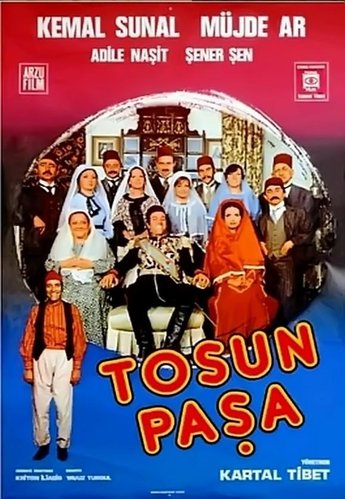
Atıf Yılmaz directed the 1978 Turkish comedy Kibar Feyzo ("Feyzo, the Polite One") from a screenplay by İhsan Yüce, and Arzu Film produced it. Adapted from Osman Şahin, it opened on November 1, 1978, and runs about 82 minutes. Treating the landlord system through black humor, it puts class conflict at its center, mocks anti-communist measures and is counted among the cult films of Turkish cinema.

The story begins when Feyzo (Kemal Sunal), back from military service, decides to ask for Gülo (Müjde Ar), the woman he has loved for years. Gülo is the daughter of the village landlord Maho Ağa (Şener Şen), who will give her to the highest bride-price bidder. The rival suitor is Bilo (İlyas Salman). Feyzo wins the girl by various tactics and pays half the price at once, with promissory notes for the rest; if he cannot pay them, the landlord will take his daughter back. Frightened, Feyzo moves to the big city to raise the money, and the civilised life he sees there changes him. The cast also includes Adile Naşit (Sakine), İhsan Yüce (Hacı Hüso) and Erdal Özyağcılar (Zülfo).

Nahit Ataman produced; the music is by Cahit Berkay and Ahmet Yamacı. Its pointed social references reportedly brought it censorship for a long time after release.

DirectorAtıf Yılmaz
Production companyArzu Film

Reactions

You can pick up to 3 reactions.

Cast

Through different eyes

History & Society Lens Asks about the period, the social background and what the work reflects.

It would be unfair to dismiss Kibar Feyzo as just a village comedy. The film tackles the landlord system and the bride-price custom through black humor; a young woman being promised to whoever pays most is where social realism and laughter meet most strikingly. Feyzo moving to the big city to pay off his debt also speaks directly to the rural-to-urban migration of its time. Seen from today, though, presenting the city's civilised life as a model for fixing the village is a somewhat too easy contrast. For a film that puts class conflict so boldly at its center, and that is said to have faced censorship for years, that is a small flaw.

Cinephile Looks at script, editing and directing choices; keeps a distance from formula films.

Working from Osman Şahin's story, Atıf Yılmaz and screenwriter İhsan Yüce built a comedy that gets the dose of satire right. The film mocks the landlord system through caricature without leaving the caricature hollow: Şener Şen's Maho Ağa is as much the face of a system as an exaggerated type. Kemal Sunal's Feyzo is a hero who looks naive but works towards his goal with all sorts of tactics. The structure splits in two: the bride-price bargaining in the village and the transformation in the city. To my mind the second part is dramatically hastier; Feyzo's change feels announced more than shown. The roughly 82-minute running time keeps the rhythm lively but leaves too little room to absorb that shift. Even so, as one of the boldest political comedies of its day, it deserves its cult status.

Yeşilçam Nostalgic A viewer raised on the classics, looking for warm storytelling and strong acting.

Kemal Sunal, Şener Şen, Adile Naşit, İlyas Salman, Müjde Ar... Just seeing this cast together brings back Yeşilçam's most fruitful years. Kibar Feyzo is one of those films that carry a wound behind the laughter; a young woman becoming the object of haggling over a bride price makes you laugh and think at once. The music by Cahit Berkay and Ahmet Yamacı delicately weaves the village atmosphere, and every appearance by Adile Naşit lends the film a warmth of its own. Comedies that could be both of the people and brave are among the things most missed today.

These are not reader reviews: they are short editorial takes written from different viewer perspectives with AI assistance. Reader reviews are below.

Reviews (0)

Log in Log in to write a review.

Comments