

Profile
| Age at death | 55 |
|---|---|
| Birth date | November 11, 1944 |
| Birthplace | Istanbul |
| Died | July 3, 2000 |
| Place of death | Istanbul, Turkey |
| Profession | Film actor, Comedian, Screenwriter, Stage actor |
| Zodiac sign | Scorpio |
In the rankings


Filmography / Projects
-

- Şaban ile Şirin
- Mr. Kamber (Bay Kamber) (translated)
-

-

- Varyemez
- Boynu Bükük Küheylan
- Koltuk Belası
- Abuk Sabuk Bir Film
-
- Sevimli Hırsız
- Talih Kuşu
- Gülen Adam
-

- Bıçkın
- İnatçı
- Polizei
- Uyanık Gazeteci
- Öğretmen
-

- Kiracı
- Yakışıklı
-
-
-
- Tarzan Rıfkı
- Garip
-

- Katma Değer Şaban
- Sosyete Şaban
- Şaban Pabucu Yarım
- Şendul Şaban
- Gurbetçi Şaban
-
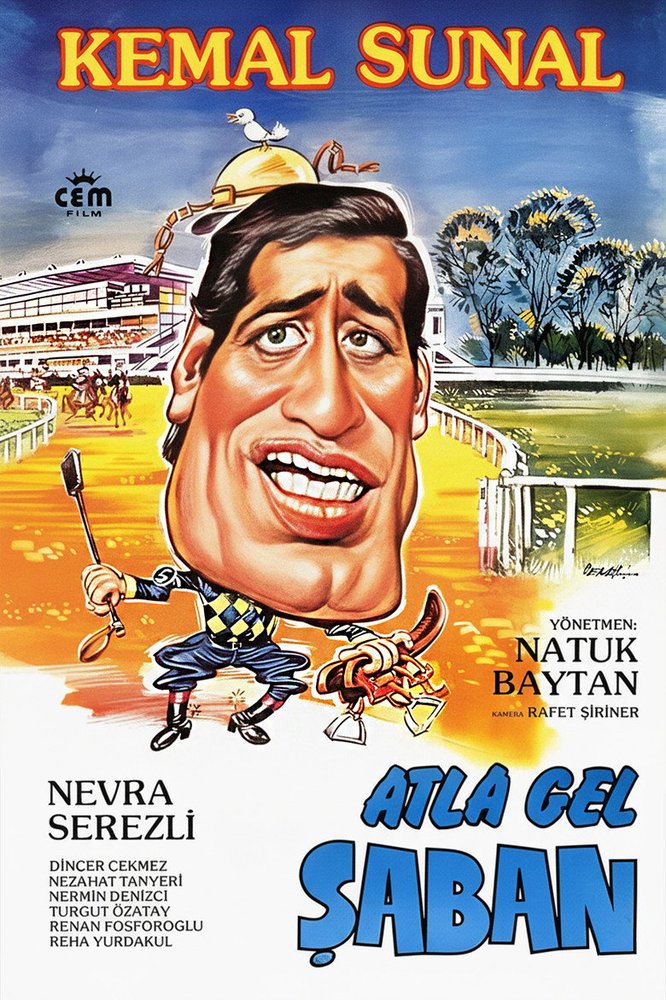
-
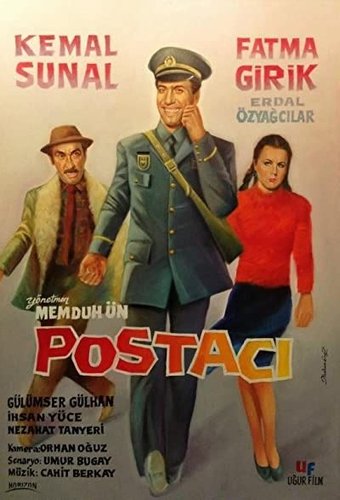
-

- Ortadirek Şaban
-
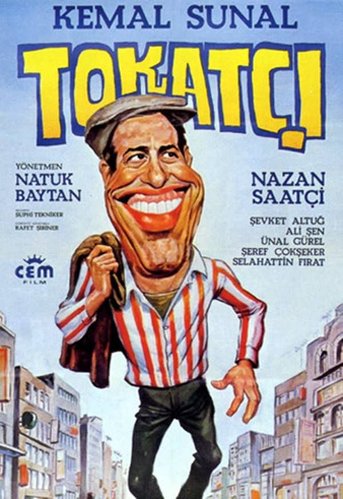
-

- Çarıklı Milyoner
- Kılıbık
- Doktor Civanım
-
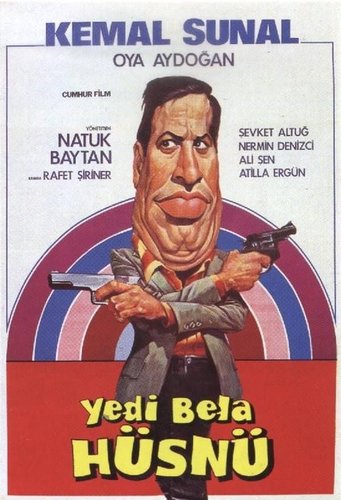
-
-
- Kanlı Nigar
- Üç Kağıtçı
- Top Scorer (Gol Kralı) (translated)
-
- Devlet Kuşu
-

-
-
-
- Bekçiler Kralı
- Umudumuz Şaban
-

-

- Köşeyi Dönen Adam
- Avanak Apti
- İyi Aile Çocuğu
-
-

- Clumsy Shakir (Sakar Şakir) (translated)
-
-

-

-
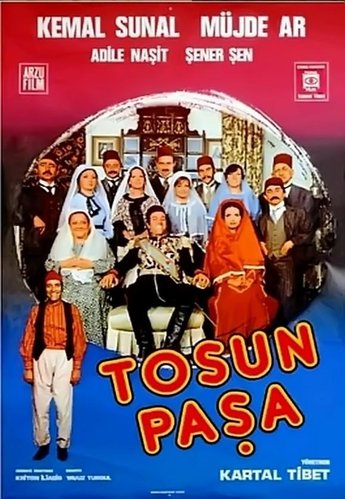
- Foster Siblings (Süt Kardeşler) (translated)
-

- Hababam Sınıfı Uyanıyor
- Meraklı Köfteci
- Sahte Kabadayı
-
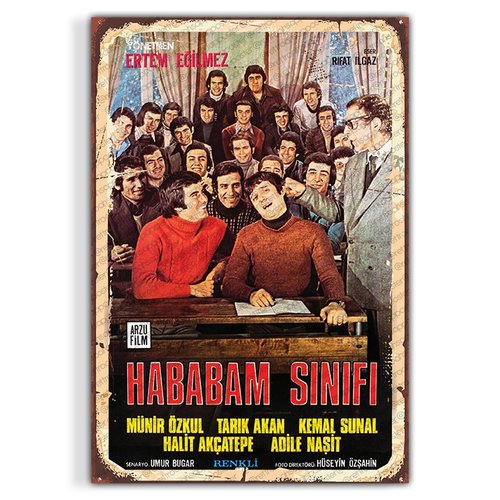
- Churl (Hanzo) (translated)
- Şaşkın Damat
-

-
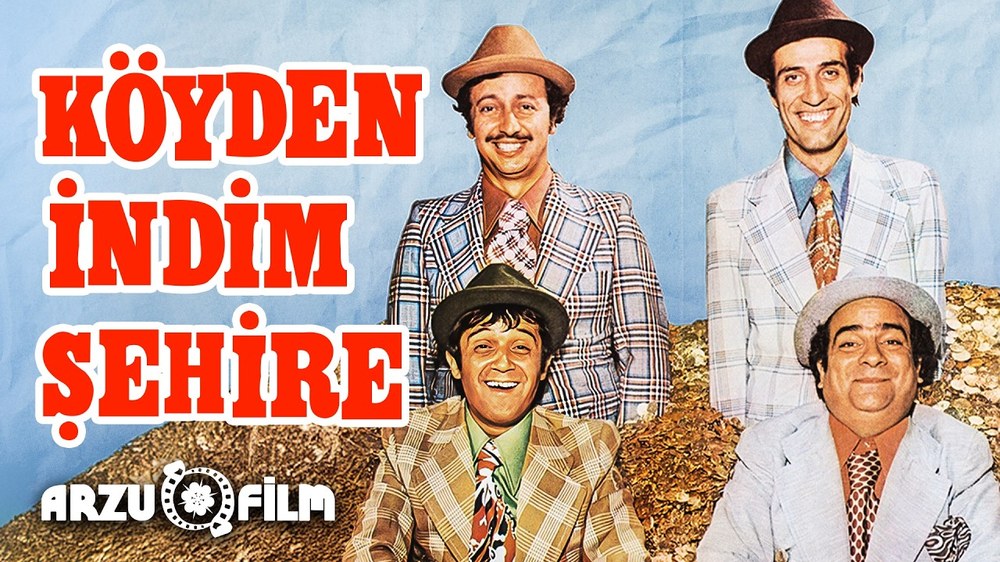
-

-

- Salako
-

-

-
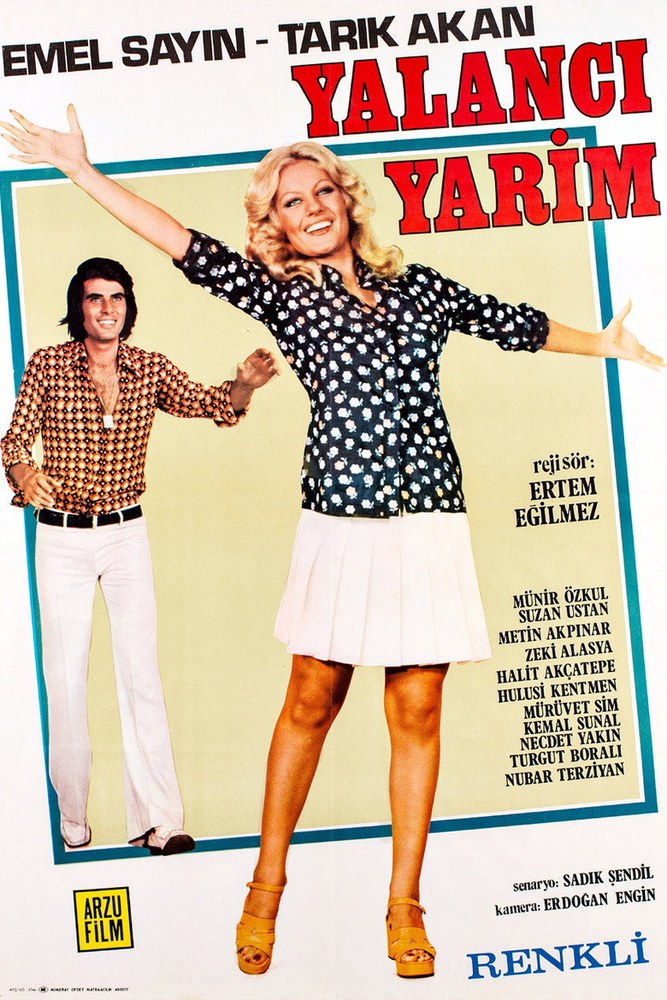
-
-


Kemal Sunal — Biography
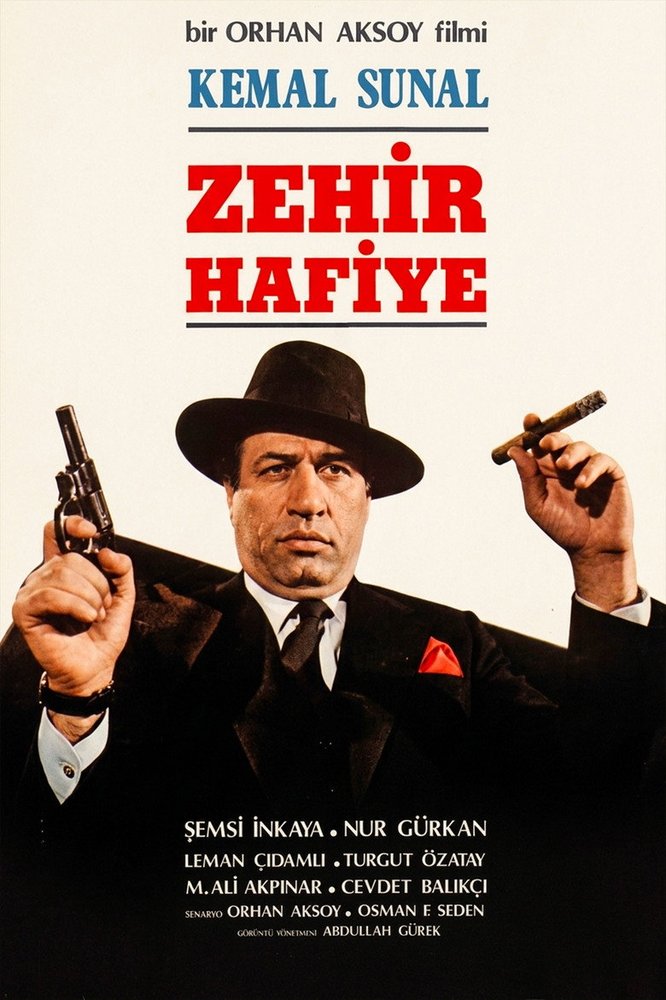
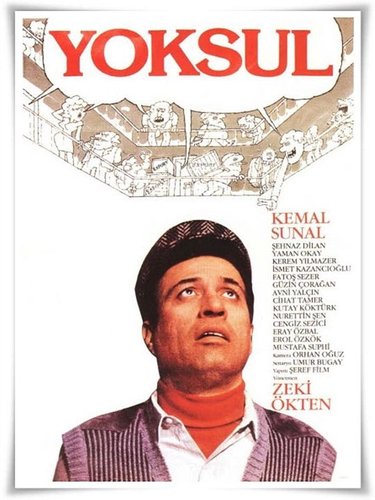
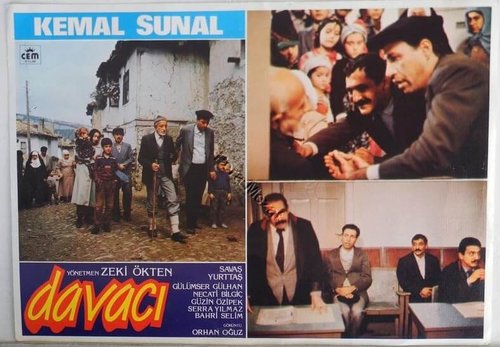
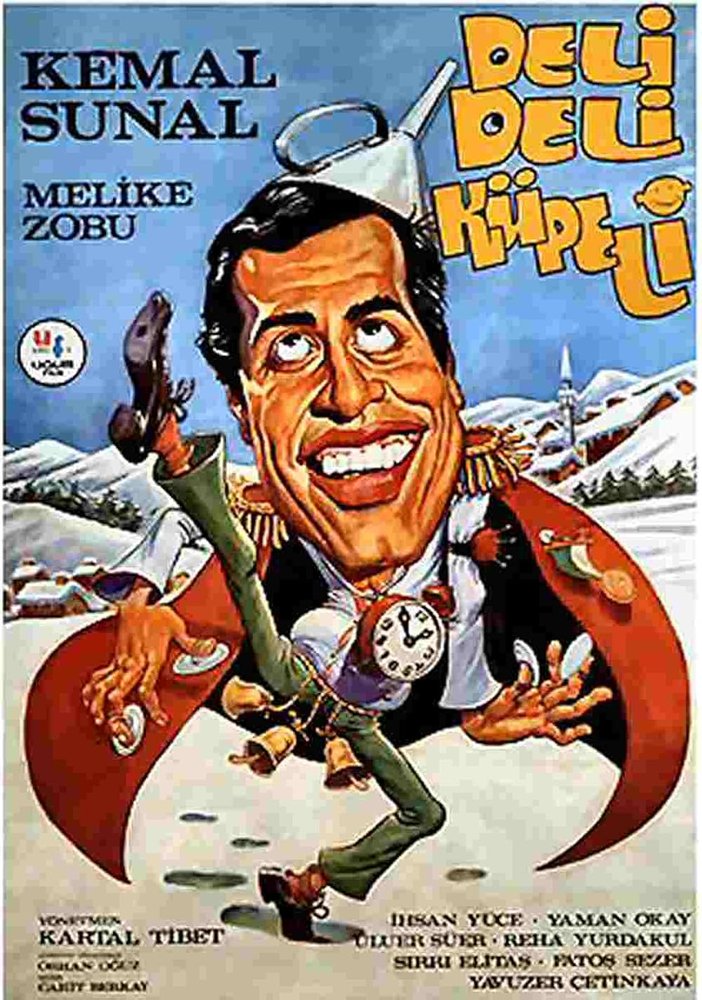
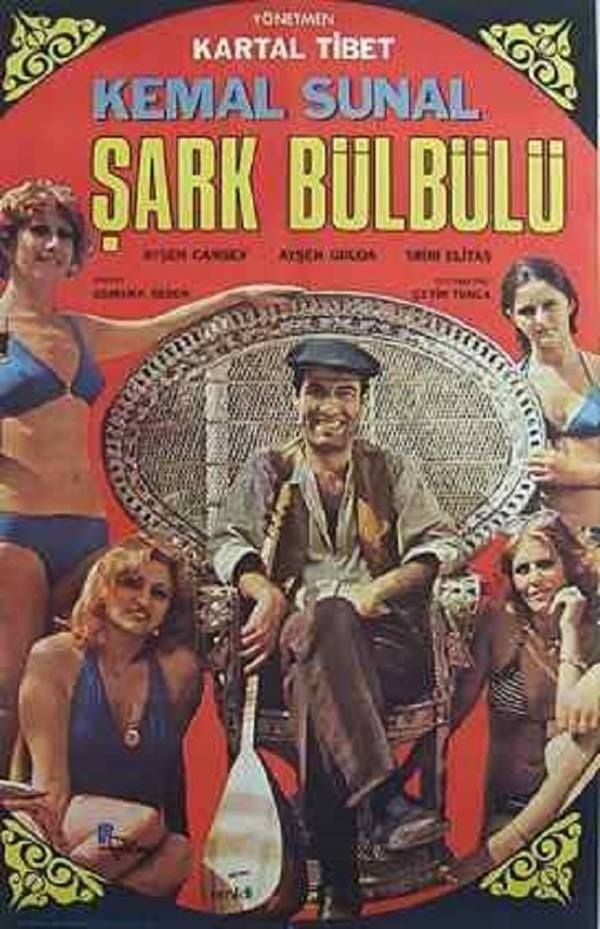
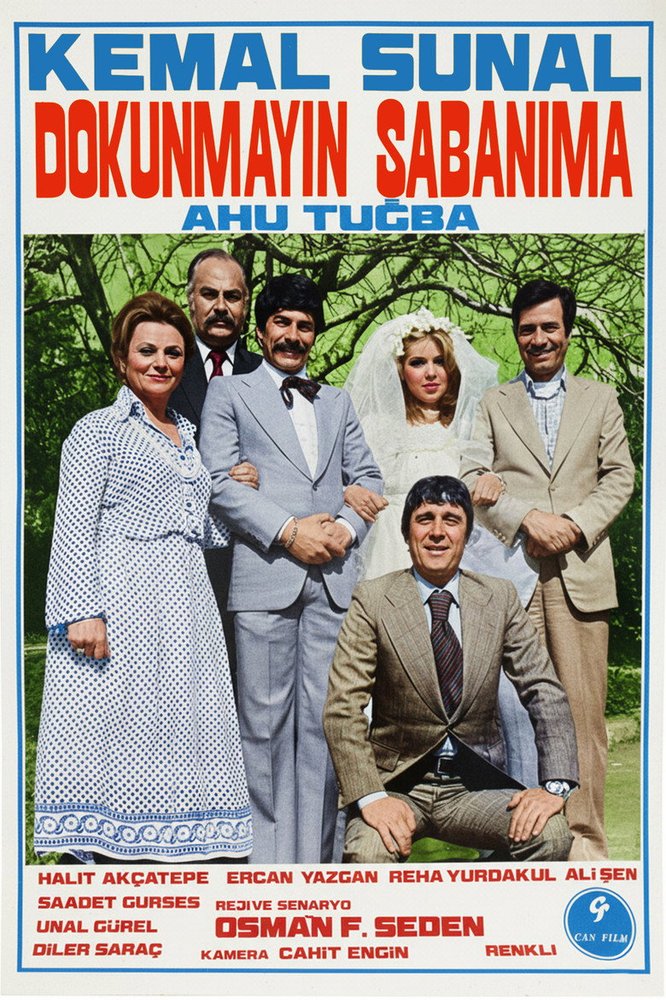
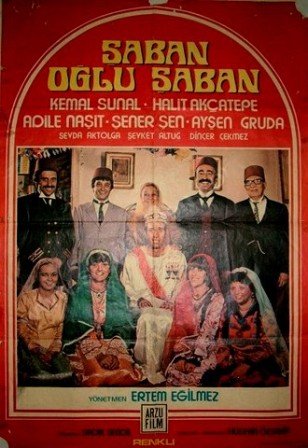
The most widely watched comic actor in Turkish cinema, Ali Kemal Sunal lived from November 11, 1944, to July 3, 2000. Born in Istanbul, he first performed on an amateur stage as a pupil at Vefa High School and went on to study journalism at Marmara University. Years with the Kenterler, Ulvi Araz, Ayfer Feray and Devekuşu Kabare companies preceded his discovery by the producer-director Ertem Eğilmez.
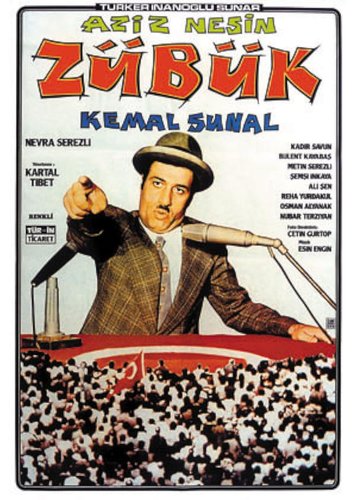
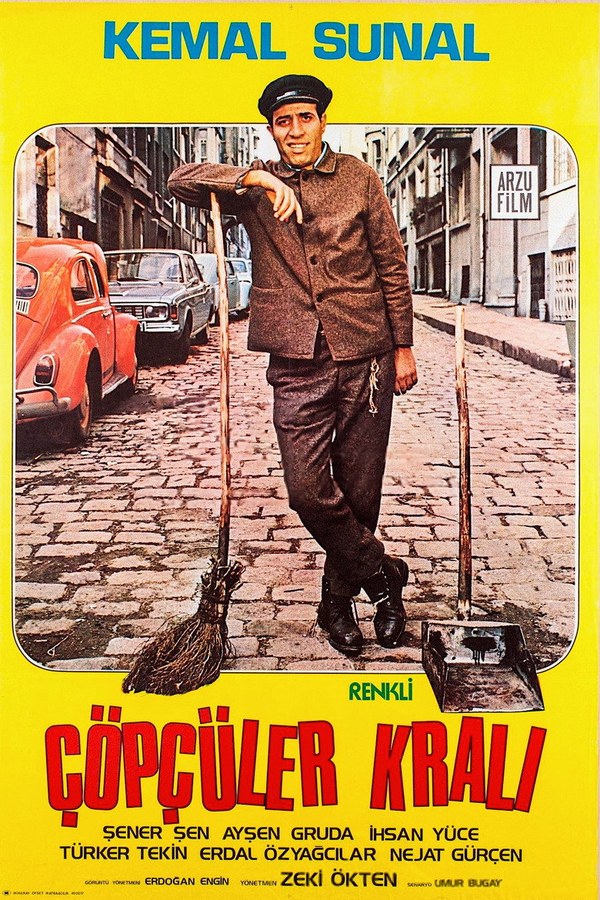
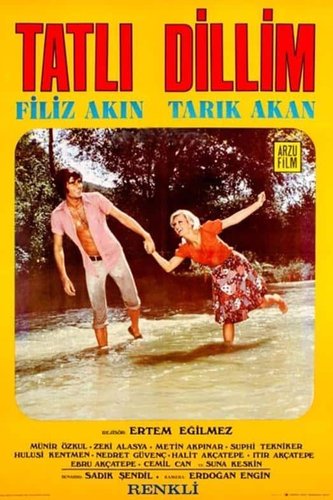
He entered films with Tatlı Dillim in 1972 and drew attention a year later in a supporting part in the drama Canım Kardeşim. His İnek Şaban in Hababam Sınıfı (1975) turned the character's name into the nickname the public used for him ever after. Across more than eighty pictures, among them Süt Kardeşler, Tosun Paşa, Çöpçüler Kralı, Kibar Feyzo and Zübük, he played guileless-looking ordinary men who quietly refuse injustice; he also took dramatic roles. Antalya named him best actor for Kapıcılar Kralı in 1977.
Propaganda (1999), his final film, was the only one he made alongside his son Ali Sunal. He suffered a heart attack aboard a plane bound for the Trabzon shoot of Balalayka and died on July 3, 2000, at the age of 55; he was buried at Zincirlikuyu Cemetery. He had married Gül Sunal in 1974 and they had two children, Ali and Ezo.
Photos
Reactions
You can pick up to 3 reactions.
Comments