Steam: The Turkish Bath (Hamam)

Steam: The Turkish Bath (Hamam) (translated)

Movie · 1997 · 6 people

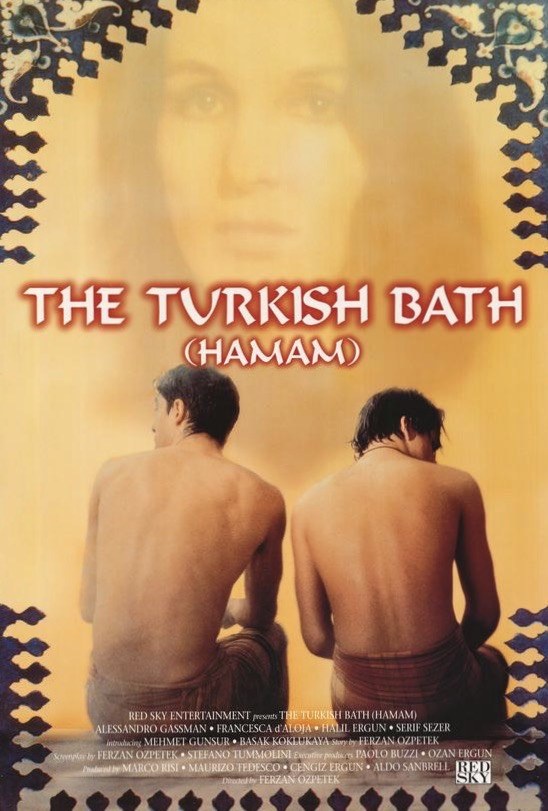
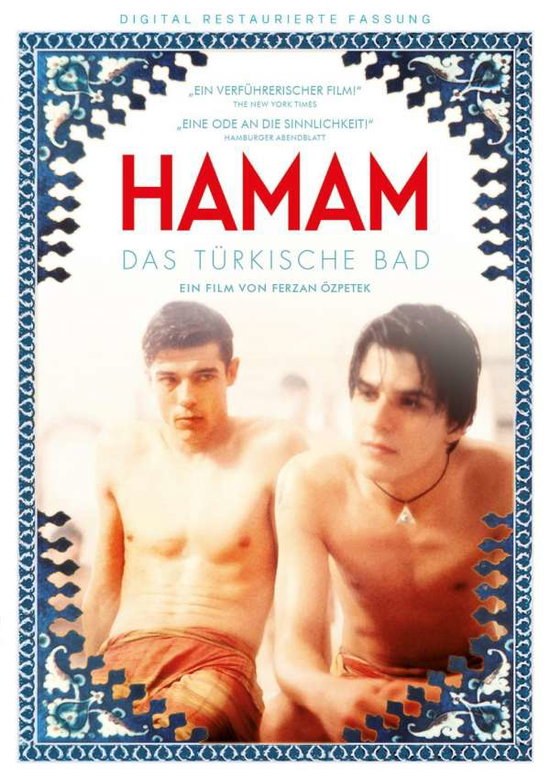
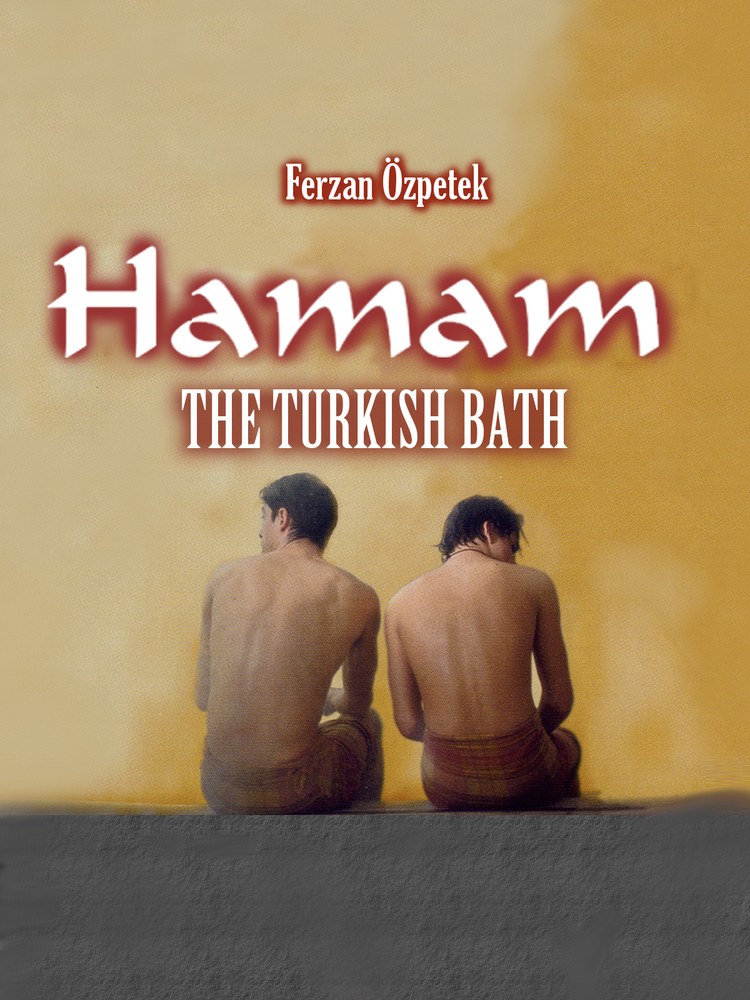
Turkish-born Italian director Ferzan Özpetek made his feature debut with Hamam (Italian: Il bagno turco, also circulated as Steam: The Turkish Bath), an Italian-Turkish-Spanish drama. It opened in Turkey on October 24, 1997, and won awards at the Antalya Film Festival. The film is about the deep changes that certain places, and what happens in them, can bring about inside people. Spoken in Italian and Turkish, it runs 94 minutes.

Francesco and Marta run a small design firm in Rome, and their marriage has worn thin: he has lost interest in her, and she is seeing their business partner. When Francesco's long-forgotten aunt dies in Istanbul and leaves him a hamam, he travels there to sell it. He meets the family who runs it, feels drawn to a young man named Mehmet, and, taken by the city's atmosphere, decides to keep the place. Alessandro Gassman plays Francesco and Francesca d'Aloja plays Marta. Halil Ergün is Osman, Şerif Sezer is Perran, Mehmet Günsür is Mehmet and Başak Köklükaya is Füsun; Carlo Cecchi, Necdet Mahfi Ayral and Alper Kul also appear.

Özpetek wrote the script with Stefano Tummolini. Paolo Buzzuro and Cengiz Ergun produced for Promete Film; Pasquale Mari shot it, Mauro Bonanni edited and Pivio and Aldo De Scalzi wrote the score.

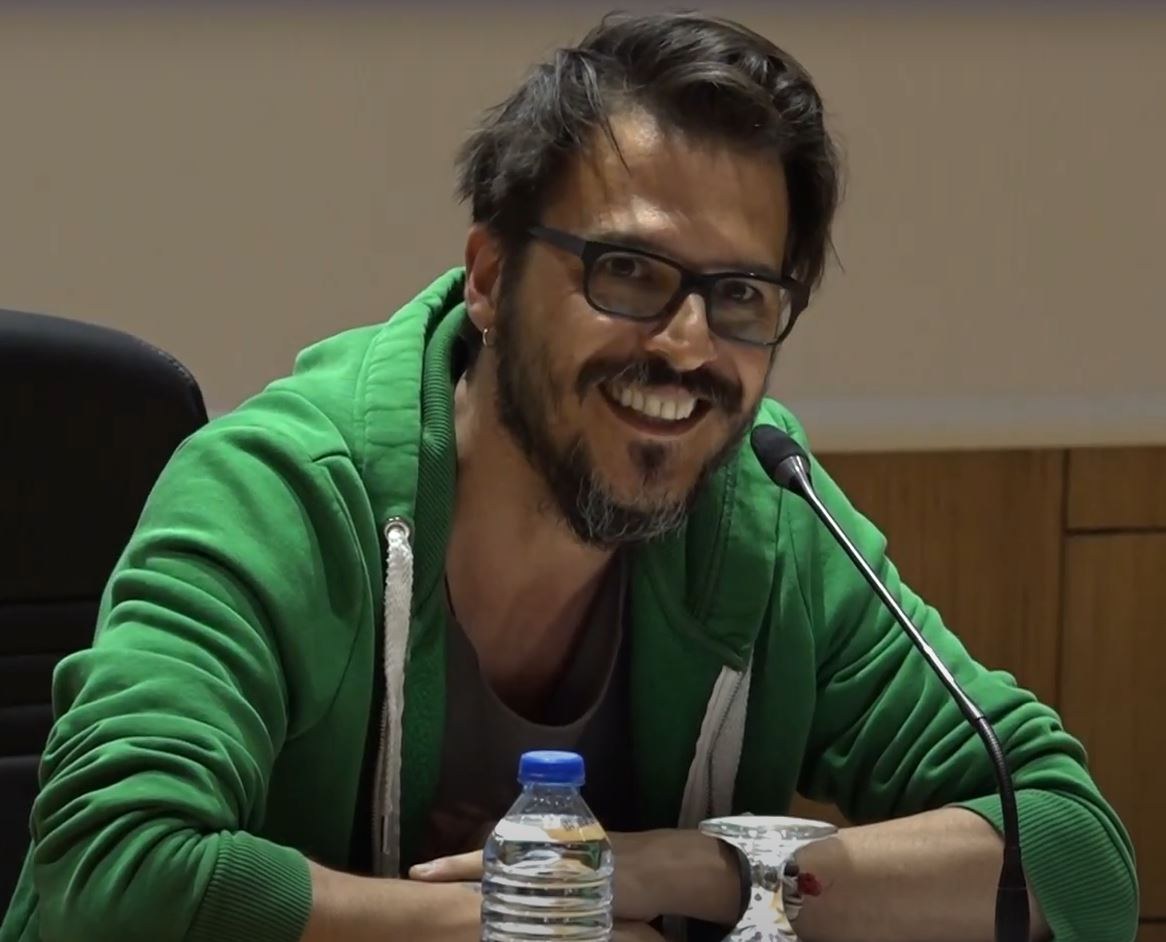
DirectorFerzan Özpetek
Production companyPromete Film
Steam: The Turkish Bath (Hamam) Steam: The Turkish Bath (Hamam) Steam: The Turkish Bath (Hamam)

Reactions

You can pick up to 3 reactions.

Cast

Also in the cast: Francesca D'Aloja (Marta), Carlo Cecchi, Alessandro Gassman (Francesco)

Through different eyes

Cinephile Looks at script, editing and directing choices; keeps a distance from formula films.

Ferzan Özpetek's first feature is a striking first step from a director still finding his voice. The idea of building a place into a character is bold: for Francesco, arriving from Rome, the hamam is both an inheritance and the stage for an inner change. Pasquale Mari's cinematography turns steam, light and the texture of stone into a sensual language, and the score by Pivio and Aldo De Scalzi completes the mood. The script, though, sometimes leaves that transformation too quiet and elliptical; we are often left to intuit why the characters change. The contrast between Alessandro Gassman's inward performance and the warmth of Halil Ergün and Şerif Sezer is the most genuine thing in it. Short and focused at 94 minutes, it remains a debut worth attention.

History & Society Lens Asks about the period, the social background and what the work reflects.

Hamam reflects on the meeting of Turkey and Europe in the late nineties through a single place. Francesco, stuck in a worn-out marriage in Rome, meets the family who runs the hamam in Istanbul and comes face to face with a different rhythm of life. The mix of Italian and Turkish dialogue captures the distance and the closeness between the two cultures naturally. While telling how places can change the people in them, the film also observes family ties and the relationships woven around a traditional institution. Its frank approach to desire and identity matters for its time. In some scenes Istanbul is romanticised through an outsider's eyes, but it still holds a thought-provoking place among the co-productions of its day.

Family Viewer Asks whether the whole household can watch it; cares about humor and heart.

Hamam is a film for adults. A failing marriage, infidelity and Francesco's attraction to a young man are at the heart of the story. That makes it unsuitable for children; if you plan to watch with teenagers, take a look yourself first. The pace is calm and the scenes unfold slowly, so family members who want movement may get bored. For adults who love Istanbul's mood and the atmosphere of an old hamam, it is a lovely choice.

These are not reader reviews: they are short editorial takes written from different viewer perspectives with AI assistance. Reader reviews are below.

Reviews (0)

Log in Log in to write a review.

Comments