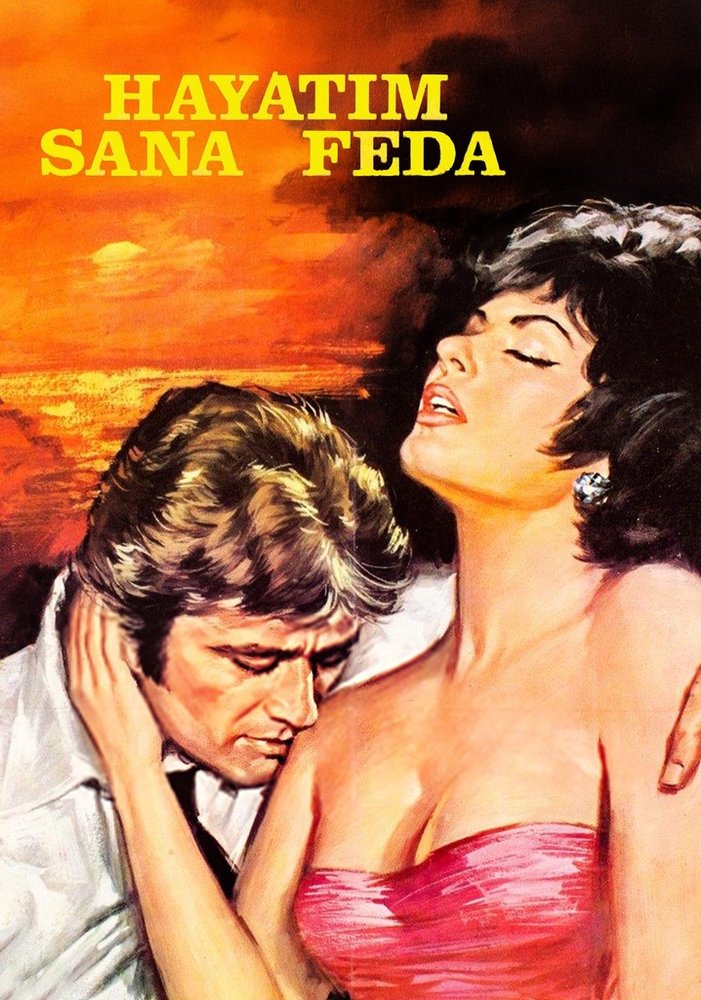
I Would Give My Life for You (Hayatım Sana Feda)

I Would Give My Life for You (Hayatım Sana Feda) (translated)

Movie · 1970 · 15 people

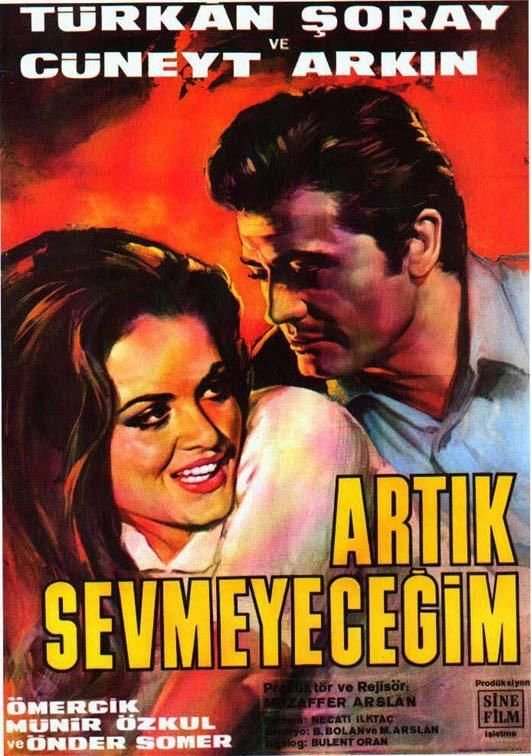
Muzaffer Arslan directed Hayatım Sana Feda ("I Would Give My Life for You"), a 1970 Turkish melodrama and musical. The story weaves love, friendship, jealousy and sacrifice through nightclub stages and a singing contest. Türkan Şoray and Cüneyt Arkın star; Arslan also produced it for Sine Film.

Zeynep and Fatma, conservatory graduates with no one but each other, find work at a nightclub, where Zeynep's voice and Fatma's guitar fill the room. Harun, a wealthy, lonely businessman and composer who lives life fast, injures Zeynep in a reckless car race; she had been trying to save a child. Her sight slowly fails, she cannot find the 50,000 lira for an operation, and Fatma stays by her. Guilt-ridden, Harun helps under a false identity, posing as a blind composer and raising the surgery money through a singing contest. In the end Zeynep realises how the two men are connected.

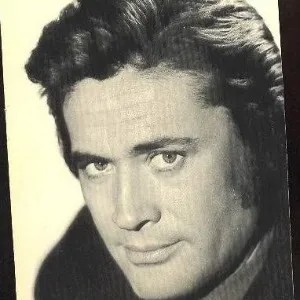
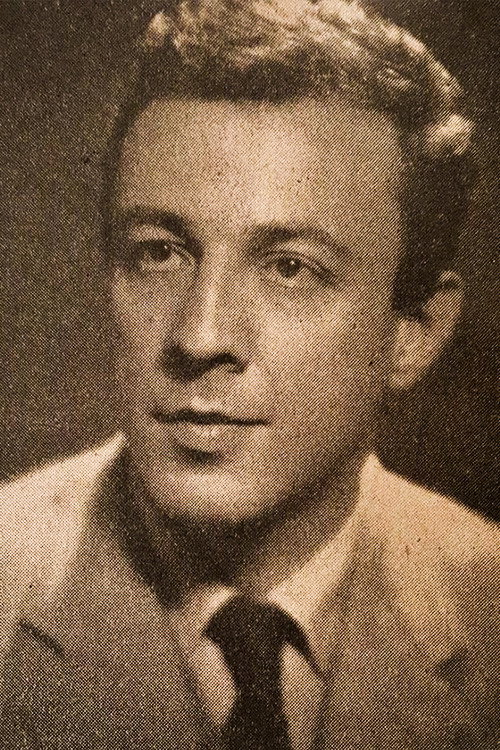
Gülgün Erdem plays Fatma and Münir Özkul plays Mehmet. Arslan wrote the script with Bülent Oran, from a story by Arslan and Burhan Bolan. Süheyl Denizci and Norayr Demirci wrote the music; Necati İlktaç was cinematographer. Shot in colour on 35 mm and running about 83 minutes, it uses dubbed voices for many roles, such as Adalet Cimcoz for Şoray and Hayri Esen for Arkın.

DirectorMuzaffer Arslan
Production companySine Film

Reactions

You can pick up to 3 reactions.

Cast

Through different eyes

Yeşilçam Nostalgic A viewer raised on the classics, looking for warm storytelling and strong acting.

The early-seventies melodramas that put Türkân Şoray and Cüneyt Arkın on the same poster are loved for wearing their feelings openly, and this film belongs to that tradition. To my mind its real worth is that it sets friendship beside the romance: the bond between two women who have no one but each other makes a warmer core than the nightclub lights. In films like this the music by Süheyl Denizci and Norayr Demirci is half the story, all the more so in a tale built around a singing contest. Best watched by someone happy to surrender to the twists of fate.

Cinephile Looks at script, editing and directing choices; keeps a distance from formula films.

The script, co-written by Bülent Oran, assembles the familiar parts of Yeşilçam melodrama: an accident, guilt, a hidden identity and an operation nobody can pay for. Pairing a woman whose sight is failing with a man who poses as a blind composer is a neat, memorable symmetry, but the plot stakes all its credibility on that chain of coincidence and secrecy. The dubbing practice of the period also calls for its own reading: with Şoray's face and Adalet Cimcoz's voice, a performance is shared between two people. That is no flaw, but it means the acting cannot be credited only to whoever is on camera. A film that never leaves the formula, though it runs the formula tidily.

Family Viewer Asks whether the whole household can watch it; cares about humour and heart.

It is about love, friendship and sacrifice; going by the synopsis, there is no reason to expect crude language or heavy violence. But a car accident and a young woman losing her sight sit at the centre, so small children may find it sad. There are nightclub scenes too. The kind of family melodrama you can watch comfortably with grandparents who love a film with songs, and with children of middle-school age and up.

These are not reader reviews: they are short editorial takes written from different viewer perspectives with AI assistance. Reader reviews are below.

Reviews (0)

Log in Log in to write a review.

Comments