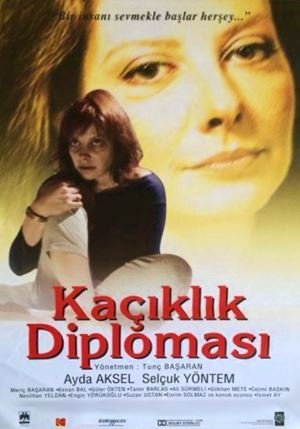
Diploma of Craziness (Kaçıklık Diploması)

Diploma of Craziness (Kaçıklık Diploması) (translated)

Movie · 1998 · 17 people

Tunç Başaran directed Kaçıklık Diploması (Graduate of Insanity), a Turkish drama from 1998. It is adapted from Ayşe Nil Tahralı's book of the same name; Başaran and Ahmet Haluk Ünal wrote the script, Kadri Yurdatap produced it, and Mine Film made it. Shot in color on 35 mm, it was released on October 16, 1998. It combines drama with a psychological focus.

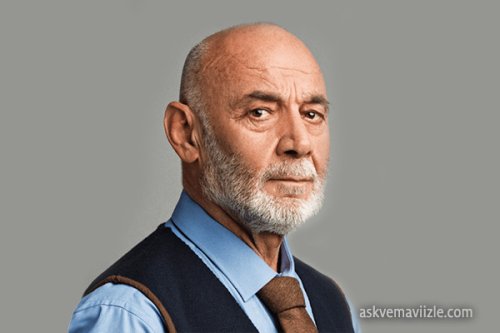
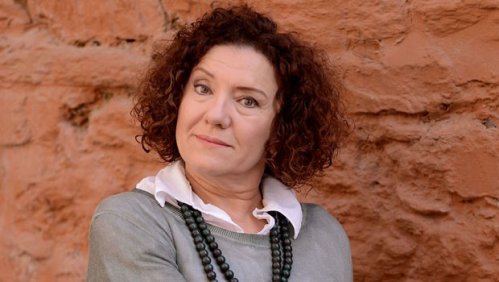
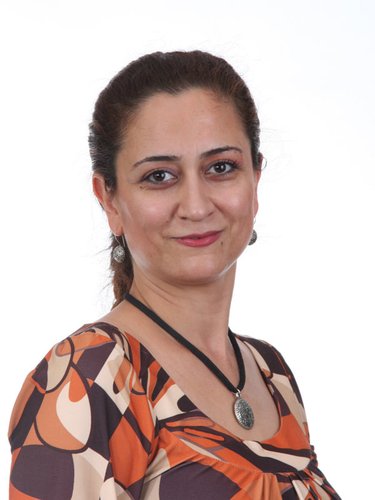
At its center is Nur (Ayda Aksel), who has bipolar disorder with psychotic features and is admitted to a mental hospital. During her stay she begins to confront the events of her life, from childhood to marriage, that fed her illness, so the story moves through her past as well as the hospital. Selçuk Yöntem plays Murat, Meriç Başaran is Suna, Kenan Bal and Güler Ökten play Nur's parents. Taner Barlas plays a sculptor, Neslihan Yeldan a sculptress, Gökhan Mete Nur's brother and Cezmi Baskın a night watchman; Binnur Kaya and Aylin Kabasakal appear among the patients.

Ertunç Şenkay was the cinematographer and Nedim Otyam composed the music. The film won numerous acting and technical awards at the Antalya and Ankara festivals.

DirectorTunç Başaran
Production companyMine Film

Reactions

You can pick up to 3 reactions.

Cast

Also in the cast: Meriç Başaran (Suna), Aylin Kabasakal, Gökhan Mete (Nur's older brother)
Through different eyes

Cinephile Looks at script, editing and directing choices; keeps a distance from formula films.

Graduate of Insanity, adapted from Ayşe Nil Tahralı's book, builds a structure that moves the story of Nur, who has bipolar disorder with psychotic features, through both the hospital corridors and her past. This two-timeline narrative is the right choice for opening up the character's inner world, though if the flashbacks are not carefully dosed, the story risks scattering. The script Tunç Başaran wrote with Ahmet Haluk Ünal leaves the weight on Ayda Aksel's performance. A cast featuring Kenan Bal, Güler Ökten and Selçuk Yöntem gives the film a solid acting base. Alongside Ertunç Şenkay's cinematography and Nedim Otyam's music, the many acting and technical awards it won at the Antalya and Ankara festivals show that the craft was taken seriously.

History & Society Lens Asks about the period, the social background and what the work reflects.

This 1998 film treats mental health with a seriousness rarely seen in Turkish cinema. That the events feeding Nur's illness stretch from childhood to marriage invites thought about how a personal condition can become entangled with family relationships, marriage and perhaps the roles assigned to women. Including other patients in the hospital gives a face to a group that is often stigmatized. A noteworthy example for anyone who wants to understand how mental health and women's experience were seen at the time.

Family Viewer Asks whether the whole household can watch it; cares about humor and heart.

This film is not for children. It follows a woman's stay in a mental hospital and the past events that fed her illness; the subject is heavy and psychological. Little ones may find it both dull and confusing. For adults and older teens, though, it is a thought-provoking film about understanding mental illness. Before you put it on, make sure everyone at home is ready for such a heavy drama.

These are not reader reviews: they are short editorial takes written from different viewer perspectives with AI assistance. Reader reviews are below.

Reviews (0)

Log in Log in to write a review.

Comments