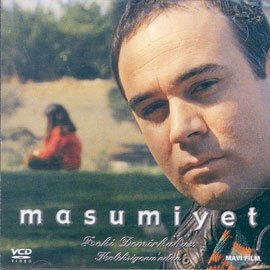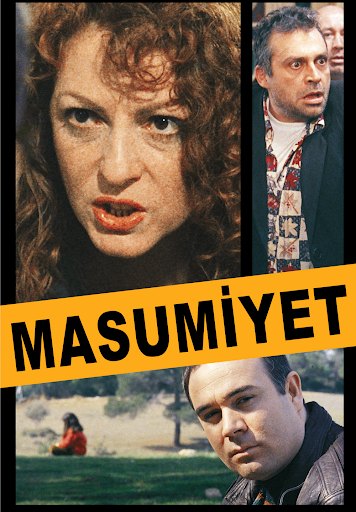
Innocence (Masumiyet)

Innocence (Masumiyet) (translated)

Movie · 1997 · 4 people

Zeki Demirkubuz wrote and directed Masumiyet (Innocence) in 1997, a Turkish drama that lingers in the memory. Demirkubuz and Nihal G. Koldaş produced it for Mavi Film. Released on October 24, 1997, it runs 110 minutes and was shot in only nineteen days. In the year it came out it won four Golden Oranges at the Antalya Film Festival and four awards at the Altın Koza Film Festival. Cengiz Onural wrote the music and Ali Utku was the cinematographer.

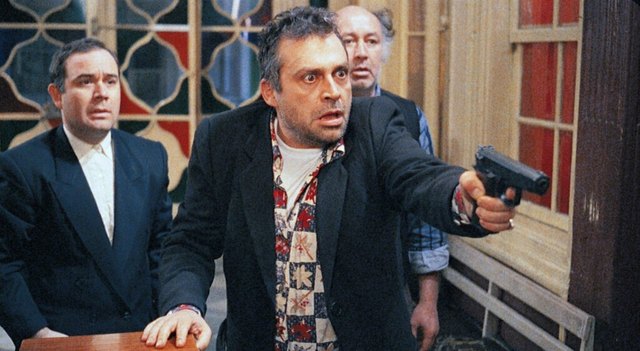
The story begins when Yusuf (Güven Kıraç), freed from prison after an honor killing, finds himself with an aimless life. In a shabby boarding house his path crosses with Uğur (Derya Alabora) and Bekir (Haluk Bilginer), who is obsessively devoted to her. Uğur is a strong-willed prostitute, but her heart belongs to Zagor. With them is Çilem (Melis Tuna), a deaf and mute little girl. Each pursues his or her own idea of innocence, and those choices leave deep wounds in them all. Ajlan Aktuğ plays Yusuf's brother-in-law, Nihal G. Koldaş his sister and Doğan Turan the hotelier.

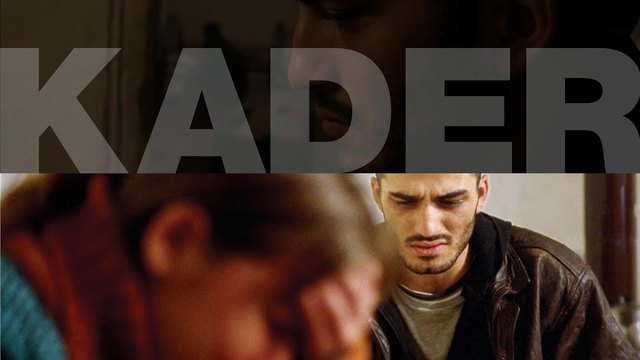
Haluk Bilginer's unforgettable tirade as Bekir stays with viewers. In 2006 Demirkubuz made Kader, a prequel about Uğur and Bekir's earlier lives.

DirectorZeki Demirkubuz
Production companyMavi Film
Innocence (Masumiyet) Innocence (Masumiyet)

Reactions

You can pick up to 3 reactions.

Cast

Also in the cast: Ajlan Aktuğ (Yusuf's brother-in-law), Doğan Turan (Otelci), Melis Tuna (Çilem)
Through different eyes

Cinephile Looks at script, editing and directing choices; keeps a distance from formula films.

Though shot in only nineteen days, Masumiyet bears one of the firmest directorial signatures of nineties Turkish cinema. Zeki Demirkubuz drops Yusuf, just out of prison, into a shabby boarding house and transit spaces such as bus stations and nightclubs, keeping his characters in a permanent limbo. Ali Utku's camerawork conveys that dead end without dressing it up. The backbone, though, is the acting: Haluk Bilginer's tirade as Bekir is rightly etched in memory, and Güven Kıraç and Derya Alabora give him strong company. Its four Golden Oranges at Antalya are no accident. My one reservation is that the bleak tone almost never loosens, and that weight may lose an impatient viewer along the way. Still, it is a work that grows richer when read alongside Kader.

History & Society Lens Asks about the period, the social background and what the work reflects.

Masumiyet opens on the aimlessness of a man who went to prison for an honor killing, and that opening alone states the film's social concern. Bus stations, nightclubs, funfairs and cheap boarding houses stretching from Ankara to Diyarbakır map out the lives left on the margins of nineties Turkey. Uğur, a prostitute; Bekir, obsessively bound to her; little Çilem, deaf and mute: all of them people society chooses not to see. The film shows them without judging, yet without softening their pain. An important text for anyone wanting to think about how notions of honor, family and belonging can turn into a heavy burden on the individual.

Family Viewer Asks whether the whole household can watch it; cares about humor and heart.

This is not a film to watch with children. It involves an honor killing, prostitution, an obsessive love and deep wounds. The atmosphere is very dark. It may be too soon even for teenagers. For adults it is a striking drama with strong performances, but it may stay with you for a while afterwards. Rather than an evening with the whole household, I'd suggest adults watch it on their own.

These are not reader reviews: they are short editorial takes written from different viewer perspectives with AI assistance. Reader reviews are below.

Reviews (0)

Log in Log in to write a review.

Comments