

Killing the Shadows (Hacivat Karagöz Neden Öldürüldü?)
Shot in 2005 and released on February 17, 2006, Ezel Akay's 135-minute historical comedy Hacivat Karagöz Neden Öldürüldü? (Killing the Shadows) opens what he conceived as an "Anatolian Middle Ages trilogy". It imagines how Hacivat and Karagöz, the two pillars of Turkish shadow theater, came to be, and looks at medieval Anatolia with a humorous eye.
The story is set in fourteenth-century Bursa. Anatolia's states and principalities are worn down by Mongol raids and people flood into the city. Karagöz, played by Haluk Bilginer, has fled Mongol tax collectors with his mother; he is an ignorant but very sharp Turkmen nomad. Hacivat (Beyazıt Öztürk) is a talkative, opportunistic courier carrying news between states. They meet when Hacivat buys Karagöz's sick cow, notices his natural talent and, together, they start work as stonemasons on a mosque built by Orhan Gazi. Their banter amuses the laborers and slows the work, and trouble follows. The cast also includes Şebnem Dönmez, Güven Kıraç, Levent Kazak, Ayşe Tolga and Ragıp Savaş (Orhan Gazi).
The script is by Levent Kazak and Ezel Akay, who also plays Eşrefoğlu Süleyman Bey. It was shot in the Orhaneli district of Bursa and produced by Şafak Film and İstisnai Filmler.
| Director | Ezel Akay |
|---|---|
| Production company | Şafak Film |
Reactions
You can pick up to 3 reactions.
Cast
 Ayşe Tolga
Nilüfer Hatun
 Beyazıt Öztürk
Hacivat
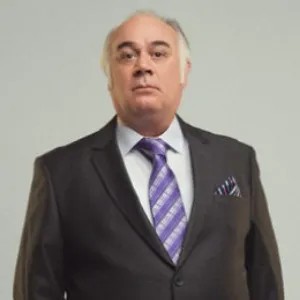 Güven Kıraç
Pervane
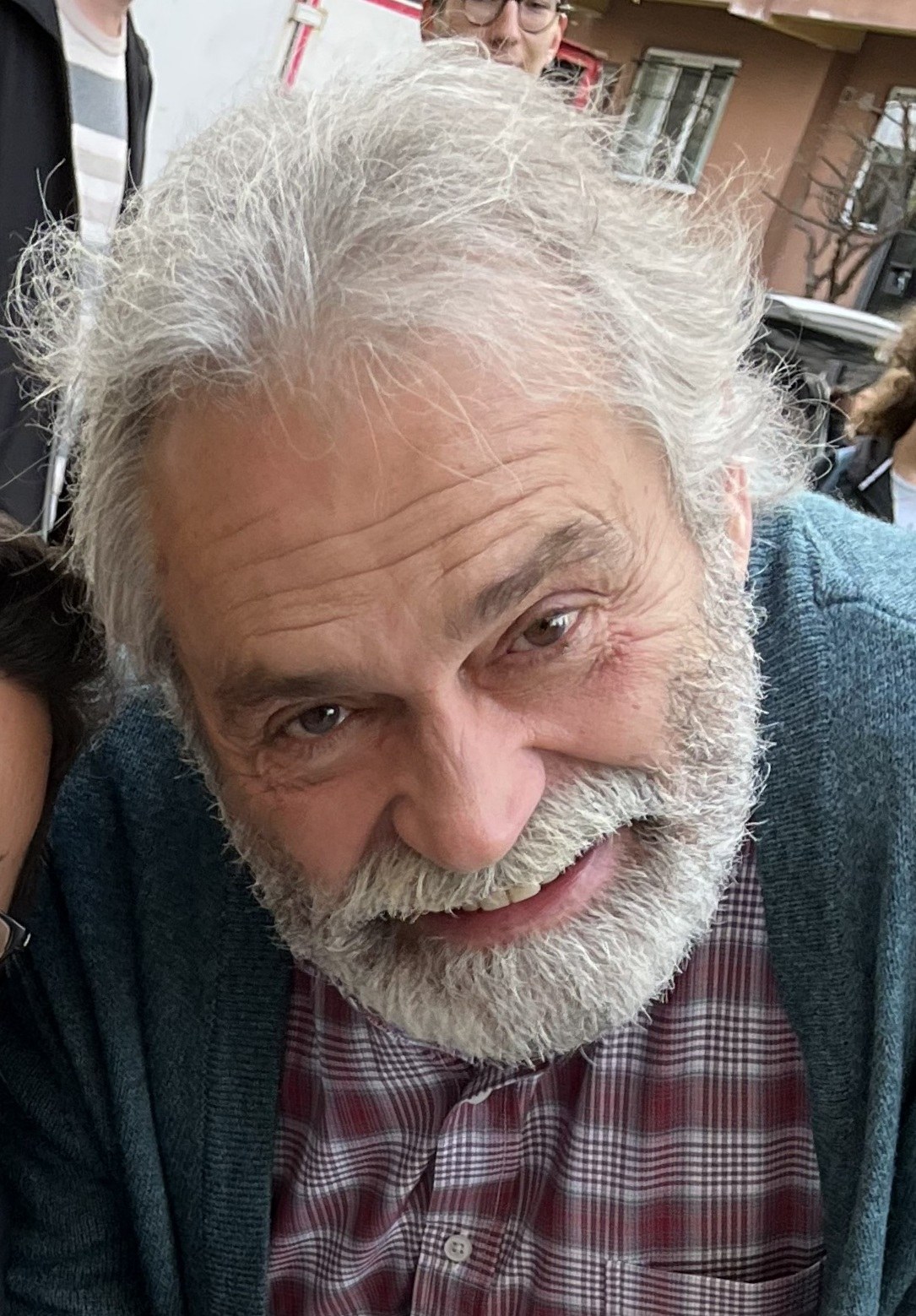 Haluk Bilginer
Karagöz
 Levent Kazak
Dimitri
 Şebnem Dönmez
Ayşe Hatun
 Nihal Yalçın
Zeyno Bacı
 Metin Keçeci
Tıraşçı
 Esra Kızıldoğan
 Öner Erkan
Tıraşçı Tulgar
 Murat Akkoyunlu
Officer Bıkkın
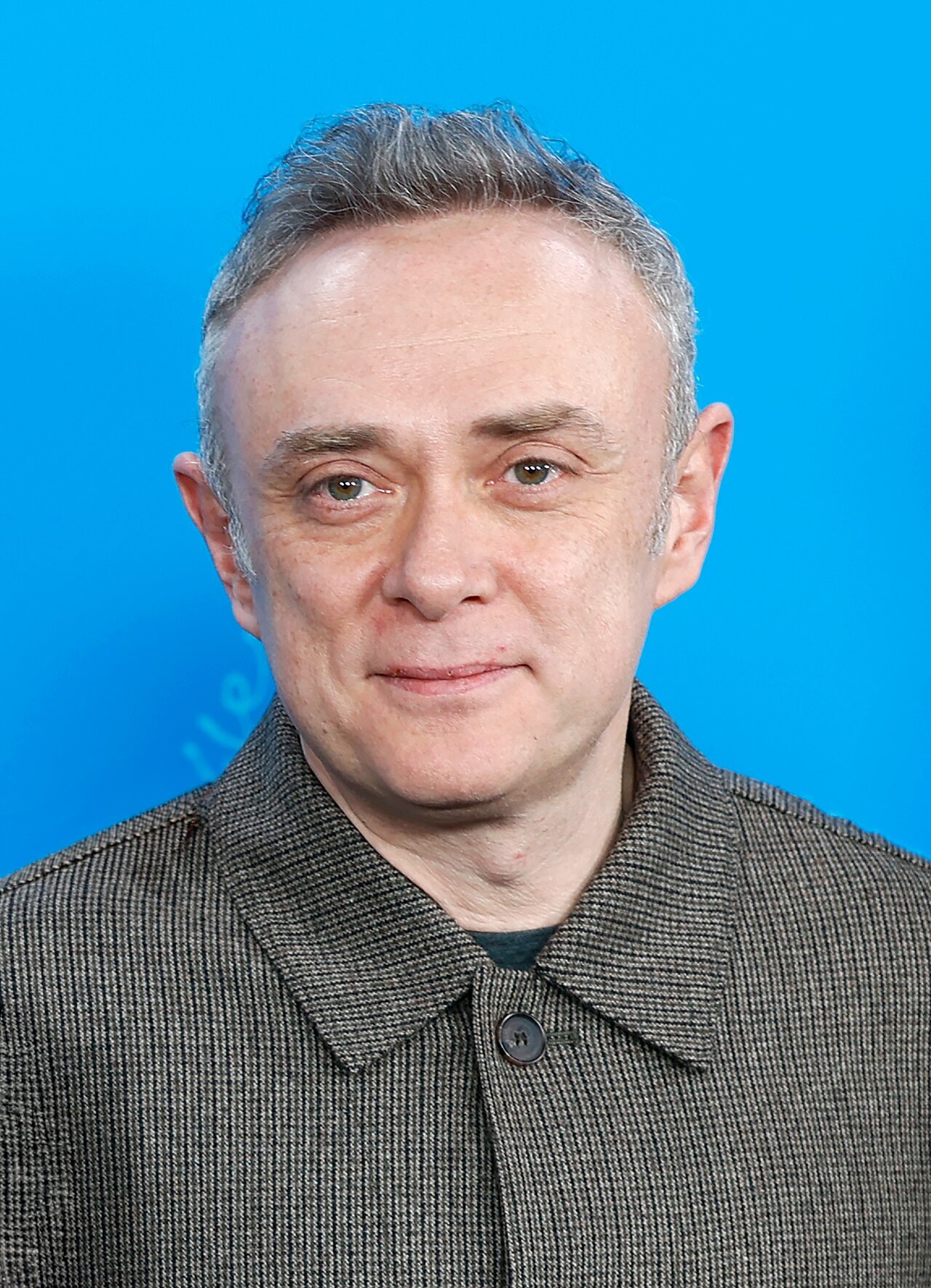 Tansu Biçer
Misak
 Selen Seyven
Playful Girl
 Numan Acar
Tıraşçı Ali
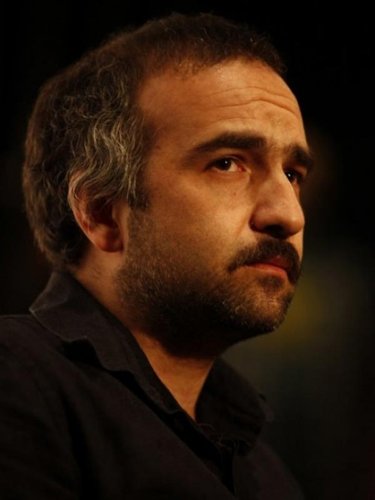 Nadir Sarıbacak
Officer Ahi Kelami
 Mete Horozoğlu
Officer Çığırtkan
 Hasan Ali Mete
Küşteri
 Ezel Akay
Süleyman Bey of Eşrefoğlu
 Nergis Öztürk
Jahan Bacı
 Ayşen Gruda
Kam Ana
 Mine Tugay
Bacı Aslı
 Ragıp Savaş
Orhan Gazi
 Serdar Gökhan
Köse Mihal
Also in the cast: Beyaz (Hacivat)




Comments