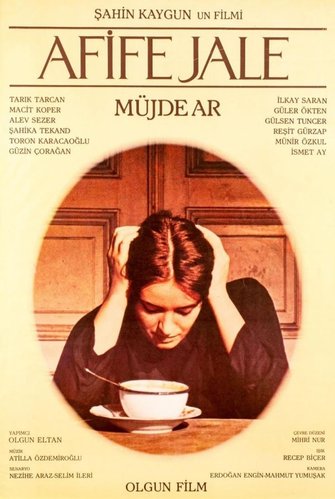
Afife Jale

Afife Jale

Movie · 1987 · 15 people

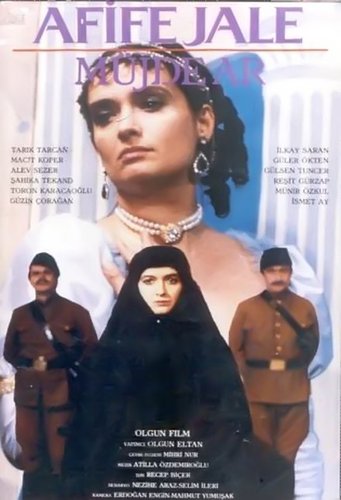
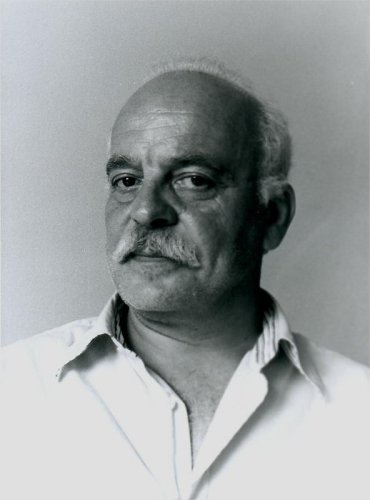
In 1987 Şahin Kaygun made Afife Jale, a biographical period film. It takes its subject from the life of Afife Jale, the first Muslim Turkish woman to appear on stage. For the photographer Kaygun it was a first attempt at directing. Despite some technical flaws that come with a debut, the film stands out for its use of period props and its visual richness. With the features of a costume-period piece, it stars Müjde Ar.

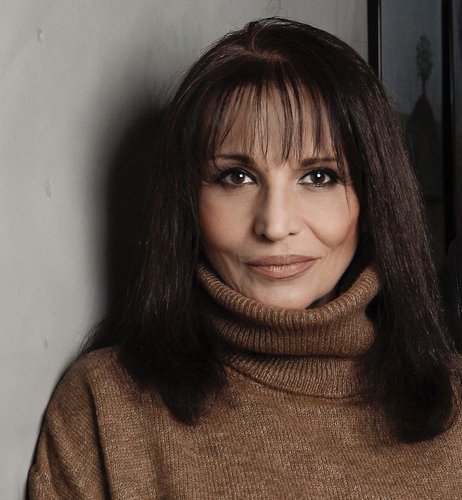
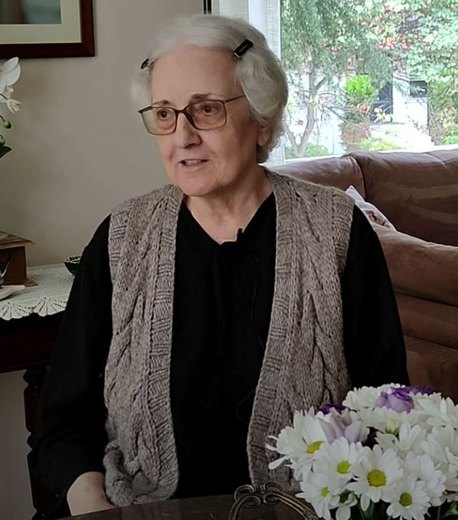
The story is set in the last years of the Ottoman Empire and focuses on Afife Jale's drama; she lost her life in a mental hospital, caught in morphine addiction. Müjde Ar plays Afife Jale and Özlem Büyükburç plays her as a child. Tarık Tarcan plays Ziya, Alev Sezer plays Selahattin Pınar, Şahika Tekand plays Seniha Tepsi, Gülsen Tuncer plays Afife's mother, Serra Yılmaz plays Şaziye, Berrin Koper plays Behiye and Güzin Çorağan plays Madam Sofi. Kenan Bal plays Governor Fuat Bey and Münir Özkul appears as a guest; Levend Yılmaz is also in the cast.

Selim İleri and Nezihe Araz wrote the screenplay. The producer is Olgun Eltan, and the production company is Olgun Film. The music is by Attila Özdemiroğlu and the cinematography by Mahmut Yumuşak and Erdoğan Engin. It was shot in colour on 35 mm.

DirectorŞahin Kaygun
Production companyOlgun Film
Afife Jale

Reactions

You can pick up to 3 reactions.

Cast
Through different eyes

Yeşilçam Nostalgic A viewer raised on the classics, looking for warm storytelling and strong acting.

Afife Jale's story is that of a woman who paid dearly for the courage to step onto a stage, and simply taking on such a subject is worth something. The film builds the texture of late Ottoman Istanbul with care through its props and costumes, and Attila Özdemiroğlu's music suits the sorrow well. Having Selim İleri's name on the screenplay is reassuring for anyone raised on literature. Still, viewers who want the warmth of the classic melodramas should know the tone here is far heavier and darker; that darkness comes from staying true to a bitter real story.

Cinephile Looks at script, editing and directing choices; keeps a distance from formula films.

You can tell this is a photographer's first film as a director, both in its strengths and its weaknesses. The framing, colour and period props are arranged with a painter's care, and the visual richness is genuinely striking. That care does not carry over to the rhythm of the storytelling, though: the technical flaws bear the marks of a debut, and in my view the scenes often sit side by side like beautiful pictures rather than building a dramatic flow. As a biopic it leans towards portraying the era more than getting inside its heroine. Even so, Kaygun's search for an eye-driven film language gives it a place of its own in the Turkish cinema of its time.

History & Society Lens Asks about the period, the social background and what the work reflects.

The film centres on what it meant for a Muslim woman to appear on stage in the last years of the Ottoman Empire. More than one artist's personal adventure, it is a debate about women's place in public life made concrete in a single life. That Afife Jale died in a mental hospital, caught in morphine addiction, makes you think about how alone a pioneer can be left to pay the price. And bringing this story to the screen in the late 1980s invites us to read the film not only as a period portrait but alongside the questions about women that its own time was asking.

These are not reader reviews: they are short editorial takes written from different viewer perspectives with AI assistance. Reader reviews are below.

Reviews (0)

Log in Log in to write a review.

Comments