Adı Vasfiye

Her Name Is Vasfiye (Adı Vasfiye) (translated)

Movie · 1985 · 10 people

Atıf Yılmaz directed the 1985 Turkish film Adı Vasfiye (Her Name Is Vasfiye). Adapted from five stories in Necati Cumalı's book Ay Büyürken Uyuyamam, it is a "woman's film" and Yılmaz's first work in the socially themed fantastic genre. Its anthology structure and surreal touches blur reality and dream. The 89-minute film has a script by Barış Pirhasan, music by Attila Özdemiroğlu and photography by Orhan Oğuz.

At its centre is Vasfiye, a provincial woman whose life drifts from man to man in the towns of the Aegean coast. She is played by Müjde Ar. The men who knew her each tell her story differently. Her suitors form a gallery of types: Emin (Aytaç Arman), a tough in love with her since childhood; the timid injection-giver Rüstem (Macit Koper); the philandering doctor Fuat (Yılmaz Zafer); and the shrewd jeweller Hamza (Levend Yılmaz).

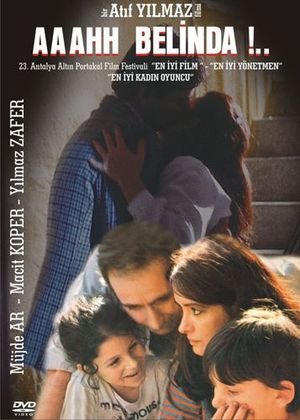
Produced by Cengiz Ergun and Leyla Özalp for Odak Film and Estet Video, the film was named one of the three best films of the year at the 1986 Istanbul Cinema Days, with Züğürt Ağa and Amansız Yol. At the 23rd Antalya Film Festival the same year it won Best Third Film, and Müjde Ar took the Best Actress award for Vasfiye (shared with Aaahh Belinda).

DirectorAtıf Yılmaz
Production companyOdak Film, Estet Video
Her Name Is Vasfiye (Adı Vasfiye) Her Name Is Vasfiye (Adı Vasfiye)

Reactions

You can pick up to 3 reactions.

Cast

Through different eyes

Yeşilçam Nostalgic A viewer raised on the classics, looking for warm storytelling and strong acting.

Necati Cumalı's stories reach the screen with a very different flavour in the hands of a master like Atıf Yılmaz. Müjde Ar's Vasfiye, a woman who becomes someone else in each man's telling, is a far more layered portrait than Yeşilçam's usual good girl or fallen woman moulds, and her Best Actress award at Antalya was well earned. A composer of Attila Özdemiroğlu's standing is an added draw for an older viewer who cares about film music. Even so, for those who want the warmth of a classic, straightforward story, a structure where reality and dream blur may feel a little distant.

Cinephile Looks at script, editing and directing choices; keeps a distance from formula films.

The film's real daring lies in its narrative structure. Each man who knew Vasfiye tells her story differently, and by never reducing her to a single truth this multi-narrator design edges toward the Rashomon tradition. The anthology form, drawn from five stories, cuts both ways: it risks uneven rhythm between segments, and some of the male types sit closer to caricature than character. The surreal touches that blur reality and dream are notable as Atıf Yılmaz's first venture into this genre, and Barış Pirhasan's script takes that risk knowingly. For all its flaws, it is a distinctive work that deserved its place among the year's three best films at the Istanbul Cinema Days.

History & Society Lens Asks about the period, the social background and what the work reflects.

The film builds the life of a provincial woman drifting from man to man in the towns of the Aegean coast out of the mouths of the men who tell it, and that is perhaps exactly where its real statement lies. We hear far less of Vasfiye's own voice than of the men talking about her. The tough, the timid injection-giver, the philandering doctor and the shrewd jeweller form a small gallery of provincial masculinities. Remembered as a 'woman's film' of the mid-1980s, it makes visible how a woman exists only inside other people's stories. How far it succeeds in freeing her from being the object of those stories is open to debate.

These are not reader reviews: they are short editorial takes written from different viewer perspectives with AI assistance. Reader reviews are below.

Reviews (0)

Log in Log in to write a review.

Comments