Reyhan (Dağlar Kızı Reyhan)

Reyhan (Dağlar Kızı Reyhan)

Movie · 1969 · 12 people

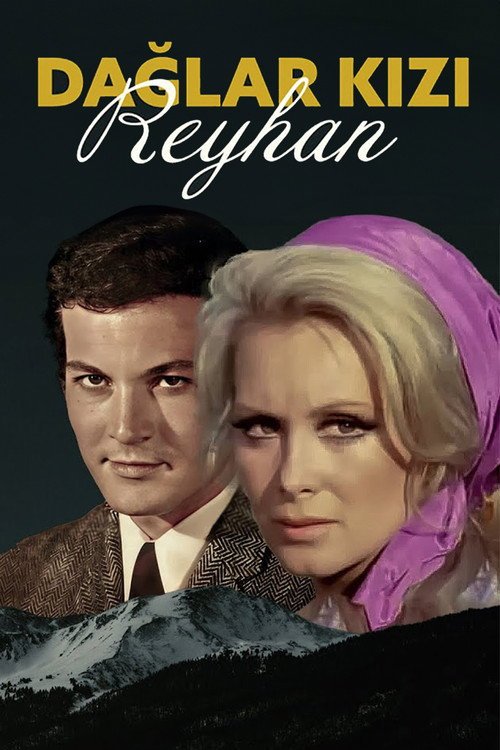
Turkish drama and romance Dağlar Kızı Reyhan (Reyhan in English), shot in color in 1969, was directed by Metin Erksan. Bülent Oran and Muzaffer Arslan wrote the script, and Arslan produced it. It is a story of love and revenge about how poverty tears lovers apart and what money and fame do to people. The popular song Reyhan of that year plays over the credits.

Reyhan, played by Filiz Akın, is a young record-shop clerk in Istanbul who lives with her mother and younger siblings. Her fiancé Mehmet (Kartal Tibet) drives a minibus and is preparing to go to Germany to earn money. Nightclub king Ekrem Bey (Metin Serezli) notices Reyhan's voice, promises to make her a star and tempts the family with wealth. He then has heroin planted on Mehmet, who is sentenced to years in prison. Released, Mehmet has made a fortune gambling and is full of bitterness; he enters Ekrem's circle, sees his old love again and begins to find out who was behind it all.

Necati İlktaç was the cinematographer, and Sil Sine Film produced it. As with many films of its time, some roles were dubbed.

DirectorMetin Erksan
Production companySil Sine Film

Reactions

You can pick up to 3 reactions.

Cast

Through different eyes

Yeşilçam Nostalgic A viewer raised on the classics, looking for warm storytelling and strong acting.

Metin Erksan's name promises more than an ordinary tale of love and revenge. Poverty parting sweethearts, money and fame leading people astray: these are among Yeşilçam's favorite themes, and the familiar moral compass is firmly in place here. Seeing Filiz Akın and Kartal Tibet in the same story is an invitation in itself for anyone raised on the classics. The song Reyhan over the credits sets the film's mood from the very start. The dubbing in some roles may sound odd to today's ears, but an eye used to films of those years will take it as a fond memory.

Cinephile Looks at script, editing and directing choices; keeps a distance from formula films.

Erksan made far more ambitious films, but Reyhan is an interesting case for seeing how he handled popular melodrama. The script by Bülent Oran and Muzaffer Arslan follows the genre's familiar stops: innocent love, a scheming powerful man, wrongful imprisonment and a return full of bitterness. Once the story turns to revenge, the structure leans on conveniences that strain belief; walking out of prison, winning a fortune at gambling and slipping into the enemy's circle reads as a dramatic shortcut. Necati İlktaç's color photography, on the other hand, adds the record shops and nightclubs of Istanbul as a valuable texture. In my view the film surrenders to the rules of the genre more than to the director's own style, yet within those rules it is carefully made.

History & Society Lens Asks about the period, the social background and what the work reflects.

The film brings together two big realities of late-1960s Turkey in one story: labor migration to Germany and the glittering but ruthless face of the big-city entertainment business. Mehmet's path from minibus driver to a dream of Germany reflects an important way out for many young men of those years. Reyhan being a record-shop clerk trying to support her mother and siblings also points to women's work and to the hope poor families pinned on fame. Ekrem Bey, king of the nightclubs, can be read as a symbol of how money and influence can overturn ordinary lives in a single move.

These are not reader reviews: they are short editorial takes written from different viewer perspectives with AI assistance. Reader reviews are below.

Reviews (0)

Log in Log in to write a review.

Comments