Mud (Çamur)

Mud (Çamur)

Movie · 2002 · 9 people

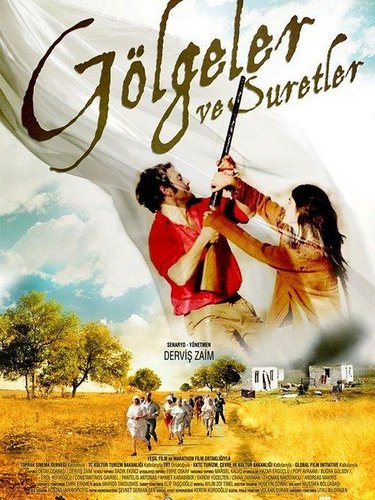
Derviş Zaim directed and wrote Çamur (Mud) himself, a Turkish drama-comedy. It reached cinemas on October 3, 2003, and runs about 97 minutes. As Zaim's third feature, it shares a thread with his first two films, a reliance on symbolic storytelling. Mustafa Uğurlu, Yelda Reynaud and Taner Birsel are named among the leads, and Tomris İncer also appears.

The story centers on Ali, a conscript serving in Cyprus. Shortly before his discharge, an illness leaves him unable to speak or to hold a conversation with the people around him. A rumor sends him in search of a healing mud. The mud does help his condition as promised, but Ali gradually becomes obsessed with it. When an ancient deity figure emerges from the mud, the discovery transforms not only his life but the lives of those near him.

Critics who reviewed the film read the speechless Ali as a concrete symbol of the Cypriot people, silenced by hard circumstances. A single character would struggle to carry a meaning that layered, so the film weaves the story of the island itself into Ali's journey.

DirectorDerviş Zaim
Mud (Çamur) Mud (Çamur) Mud (Çamur)

Reactions

You can pick up to 3 reactions.

Cast

Through different eyes

Cinephile Looks at script, editing and directing choices; keeps a distance from formula films.

Derviş Zaim's third feature continues the symbolic storytelling of his first two films, and does so boldly. A soldier who loses the power of speech, a healing mud and an ancient deity figure rising out of it: material like this demands walking a thin line between realist drama and allegory. Because the director also wrote the script, the film's language is consistent, and its shifts between drama and comedy are surprising yet coherent. Its weakness is that the weight of the symbols sometimes crowds out the character; Ali becomes a vessel for meaning more than a person, which makes emotional connection harder. Even so, a film that attempts this many layers in 97 minutes shows a rare ambition.

History & Society Lens Asks about the period, the social background and what the work reflects.

Çamur tries to tell the Cyprus question not in the language of news reports or history lessons but through a soldier's body. In the critics' reading, the speechless Ali is a concrete symbol of Cypriots silenced by hard circumstances, and that interpretation changes how you see the whole film. A crisis that strikes just days before his discharge brings military service and the island's own story into a single frame. The ancient deity figure emerging from the mud, meanwhile, calls to mind the island's layered past. The film asks questions rather than imposing a thesis, and that is what keeps it from being a political manifesto.

Family Viewer Asks whether the whole household can watch it; cares about humor and heart.

This isn't an easy film to watch as a family. The idea is interesting: a soldier who can't speak and a mud said to heal. But the storytelling is full of symbols, and children may not follow what's going on. There's some comedy, but the overall mood is heavy drama. It suits adults who enjoy art films and high-school-age teens. Younger kids will most likely get bored.

These are not reader reviews: they are short editorial takes written from different viewer perspectives with AI assistance. Reader reviews are below.

Reviews (0)

Log in Log in to write a review.

Comments