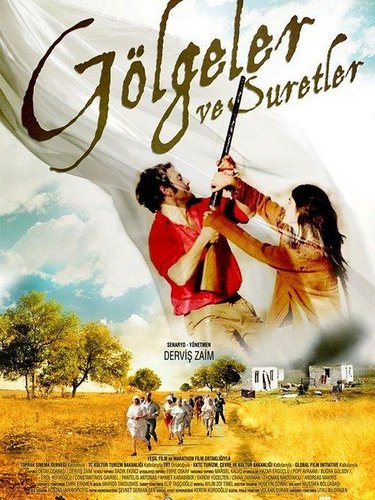
Shadows and Faces (Gölgeler ve Suretler)

Shadows and Faces (Gölgeler ve Suretler)

Movie · 2010 · 4 people

Turkish Cypriot filmmaker Derviş Zaim wrote and directed Gölgeler ve Suretler (Shadows and Faces), a Turkish drama of 2010. It closes Zaim's trilogy on traditional Turkish arts: after Waiting for Heaven (2006, miniature) and Dot (2008, calligraphy), shadow theater takes the center. Shown in the national feature competition at the 47th International Antalya Golden Orange Film Festival, it won Best Editing (Aylin Zoi Tinel) and the SIYAD critics' award. After a premiere on March 5, 2011, it opened across Turkey on March 11.

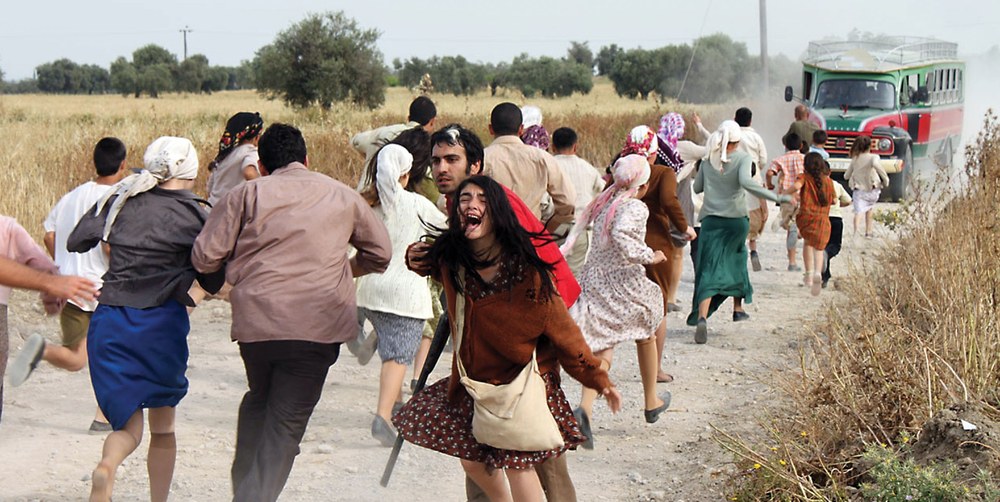
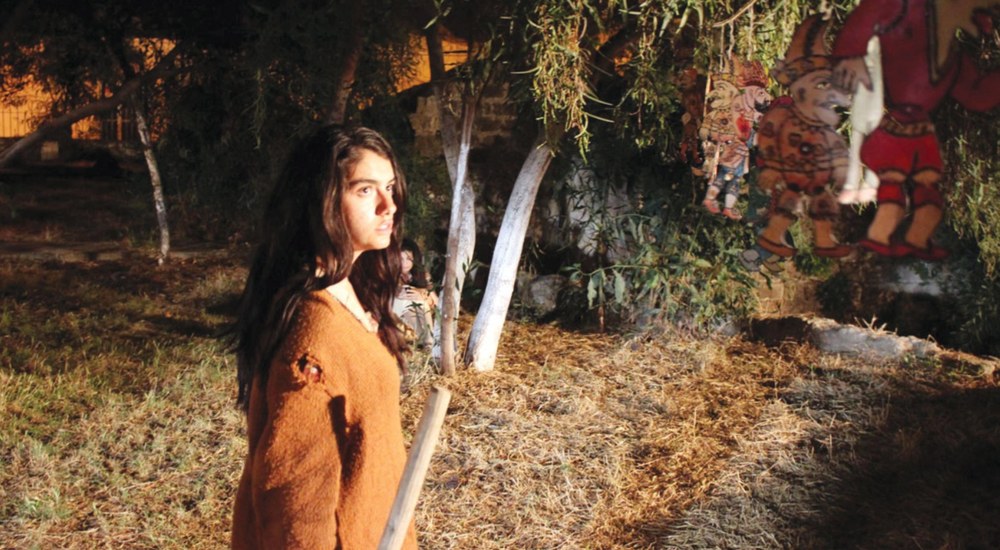
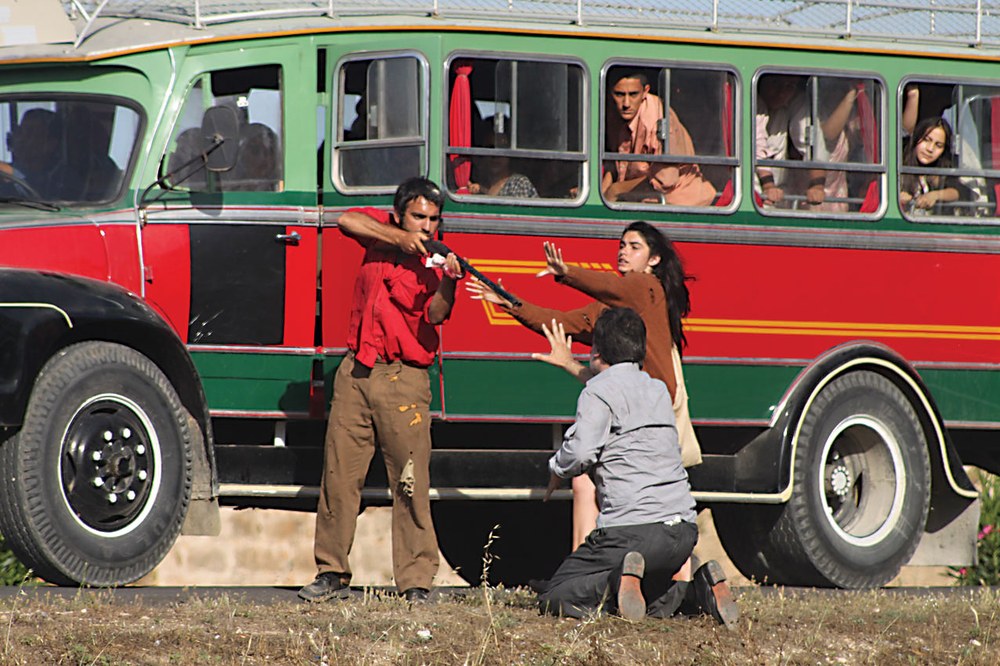
The story is set in Cyprus in 1963, as conflict between Turks and Greeks begins. A young girl, the daughter of a Karagöz shadow-play master, is separated from her father and tries to flee the burning villages for the city she hopes is safer; the journey becomes a coming-of-age ordeal. The hills, shore and landscape of the Karpaz region and the village of Büyükkonuk form the backdrop. The cast includes Buğra Gülsoy, Settar Tanrıöğen, Hazar Ergüçlü, Osman Alkaş and Popi Avraam.

Inspired by real events, the film asks how innocence and humanity survive in a world ruled by violence. One critic called it a major event of the year for telling the story with an understanding of both communities. It runs about 116 minutes.

DirectorDerviş Zaim
Shadows and Faces (Gölgeler ve Suretler) Shadows and Faces (Gölgeler ve Suretler) Shadows and Faces (Gölgeler ve Suretler) Shadows and Faces (Gölgeler ve Suretler)

Reactions

You can pick up to 3 reactions.

Cast

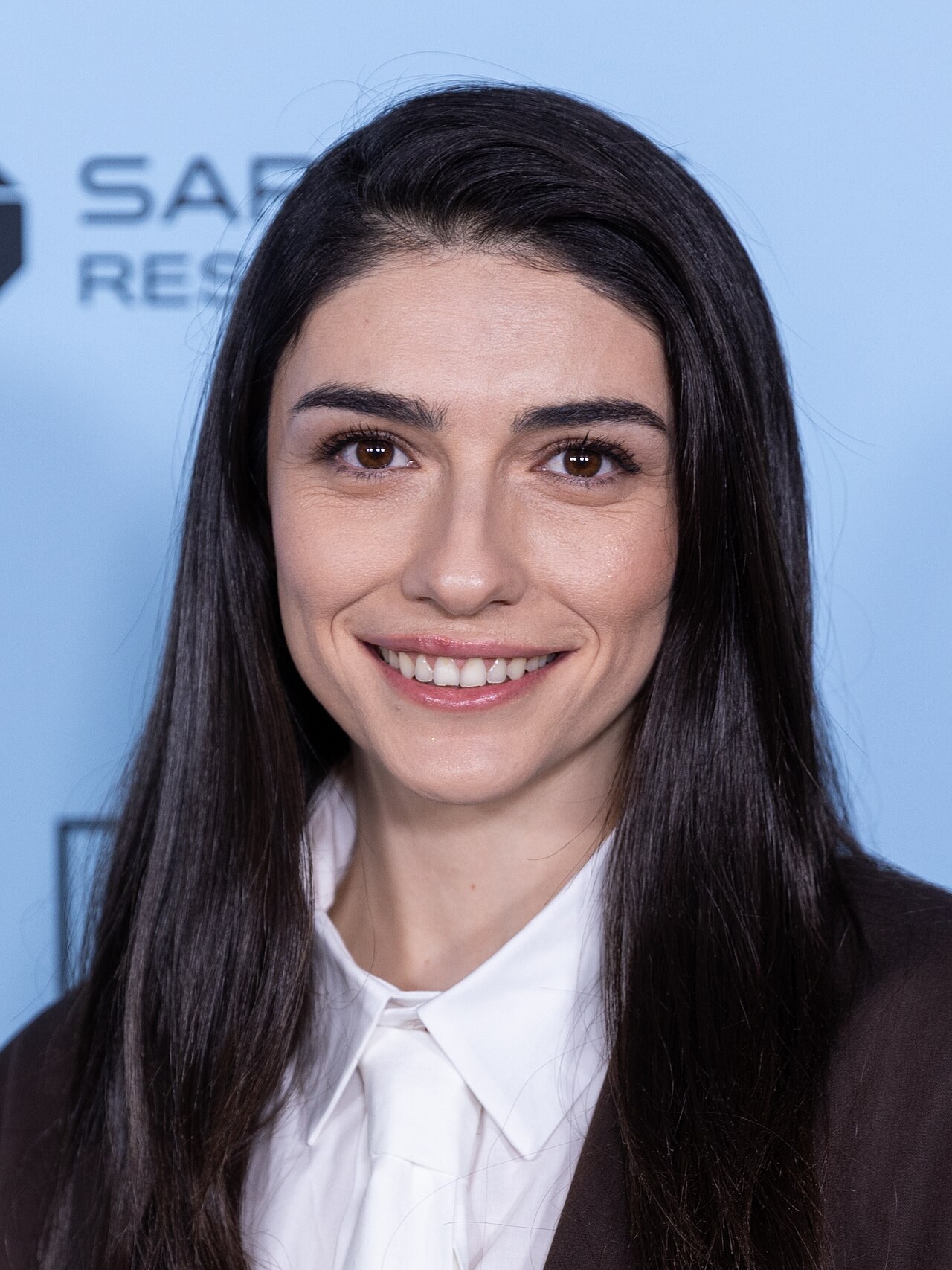
Also in the cast: Popi Avraam

Through different eyes

History & Society Lens Asks about the period, the social background and what the work reflects.

The film tells of the days in 1963 when fighting broke out between Turkish and Greek Cypriots, inspired by real events and seen through the eyes of a young girl. It matters that it approaches such a sensitive period not with one-sided anger but with the question of whether one can stay human in a world ruled by violence. Little wonder, then, that one critic praised it for portraying both communities with understanding. Making the heroine the daughter of a Karagöz shadow-play master is meaningful too: a traditional art caught in the middle of a conflict that pulls communities apart. The landscape of the Karpas region and the village of Büyükkonuk forms the backdrop of an everyday life threatened along with the burning villages.

Family Viewer Asks whether the whole household can watch it; cares about humor and heart.

Because it is about war and flight, it is not for young children. It follows a girl separated from her father among burning, ruined villages, and some scenes may be hard to take. But its message is worthwhile: staying human even in hard times. It can be watched with high-school-age teenagers, as long as you talk about it afterwards. It runs about two hours, so plan for that.

Cinephile Looks at script, editing and directing choices; keeps a distance from formula films.

Derviş Zaim's trilogy on traditional arts, after miniature painting in Waiting for Heaven and calligraphy in Dot, closes with shadow play. That frame adds an intellectual layer: the split between shadow and face can become a powerful metaphor for the gap between how people appear and who they really are in the middle of a conflict. The Best Editing prize at Antalya for Aylin Zoi Tinel can be read as a reward for the care taken over the film's rhythm, and the SİYAD award shows the critics' interest. The Karpas landscape gives it a generous visual backdrop. My reservation is the risk that the weight of the metaphor sometimes gets ahead of the story: a coming-of-age tale of about 116 minutes can lose emotional warmth as the symbols pile up. Still, for anyone thinking of the trilogy as a whole, it is a link not to skip.

These are not reader reviews: they are short editorial takes written from different viewer perspectives with AI assistance. Reader reviews are below.

Reviews (0)

Log in Log in to write a review.

Comments