There (Orada)

There (Orada)

Movie · 2009 · 5 people

Hakkı Kurtuluş and Melik Saraçoğlu wrote and directed Orada (There), a drama released in Turkey on December 25, 2009. Running about 96 minutes, it spends twenty-four hours with a scattered Istanbul family, a story of collapse centered on a mother, a father, a sister and a brother. Shown at many festivals worldwide, it drew middling scores on film sites.

The story begins when an elderly woman leaves her nursing home early one morning, and walks away, leaving her children a letter of last wishes. News of her death brings together two siblings who have not spoken in years. The sister, Neslihan, works in the human resources department of an insurance company; she cared for their mother for years and placed her in the home when she could no longer cope with her psychological troubles. The brother, long abroad in France, has rushed back. The pair first perform their last duties for their mother, then find their father, living in seclusion in the family house on Büyükada. Gathered briefly, the family finally says what it never could, and the film asks whether the loss might mend broken bonds.

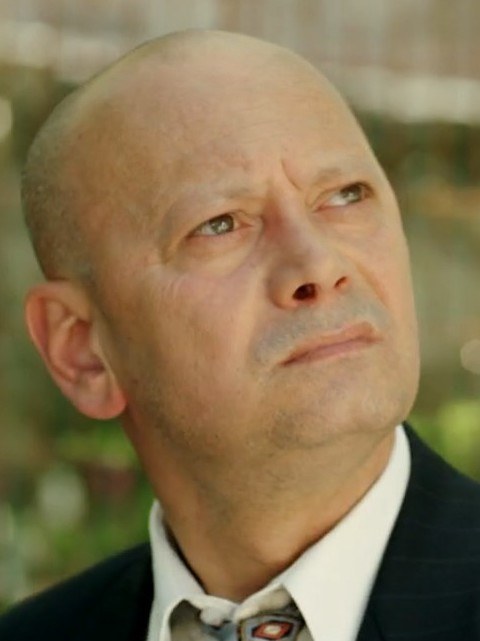
Dolunay Soysert, Sinan Tuzcu and Erol Günaydın star, with Füsun Erbulak and Bahtiyar Engin also in the cast.

DirectorHakkı Kurtuluş

Reactions

You can pick up to 3 reactions.
Cast

Through different eyes

Cinephile Looks at script, editing and directing choices; keeps a distance from formula films.

Written and directed by Hakkı Kurtuluş and Melik Saraçoğlu, Orada is a compressed-time drama that spends twenty-four hours with a scattered Istanbul family. The structure is a strong tool for packing years of accumulated hurt into a single day, and opening on an elderly woman leaving her nursing home early in the morning, with a letter of last wishes for her children, is an effective trigger. About 96 minutes is a balanced length for a story of collapse told through a mother, a father, a sister and a brother. Yet inward-looking family dramas like this tend to stage the moment the unsaid is finally spoken too verbally and too flatly, and the film edges towards that trap at times. Its run on the festival circuit still points to genuine cinematic ambition.

History & Society Lens Asks about the period, the social background and what the work reflects.

Through a family drawn together by a mother's death, Orada looks at the break-up of urban families. Neslihan caring for her mother for years and finally having to place her in a home recalls a social reality in which the burden of care so often falls on daughters. The brother who lived in France for a long time and the father living in seclusion in the family house on Büyükada show how far members of one family can drift apart. The film asks whether a loss can mend broken bonds; it is thought-provoking on aging, loneliness and responsibility within the family.

Yeşilçam Nostalgic A viewer raised on the classics, looking for warm storytelling and strong acting.

Seeing a master like Erol Günaydın in a story of loss and reckoning moves anyone fond of him, and Füsun Erbulak's name adds a familiar warmth to the cast. A mother's letter of last wishes, siblings who have not spoken in years, the family house on Büyükada: these are all the makings of an old-fashioned family drama. Yet the film moves in a far colder, more inward language than Yeşilçam's warm, embracing storytelling. That sombre tone felt somewhat distant to me; the story wants to touch the heart, but at times it does so with a sadness that weighs too heavily.

These are not reader reviews: they are short editorial takes written from different viewer perspectives with AI assistance. Reader reviews are below.

Reviews (0)

Log in Log in to write a review.

Comments