Upside-Down World (Tersine Dünya)

Upside-Down World (Tersine Dünya) (translated)

Movie · 1993 · 17 people

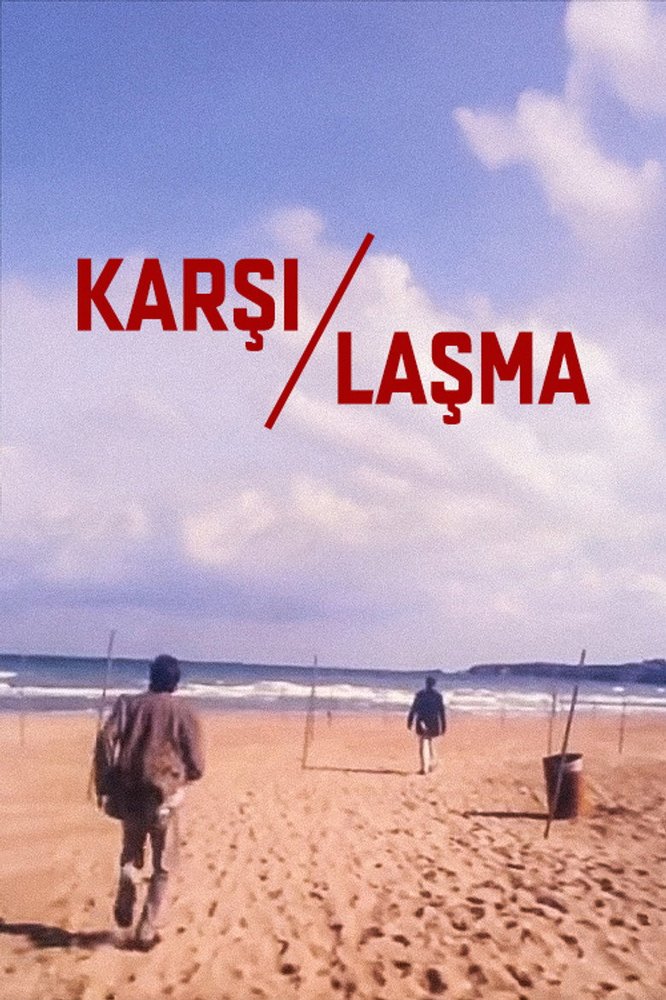
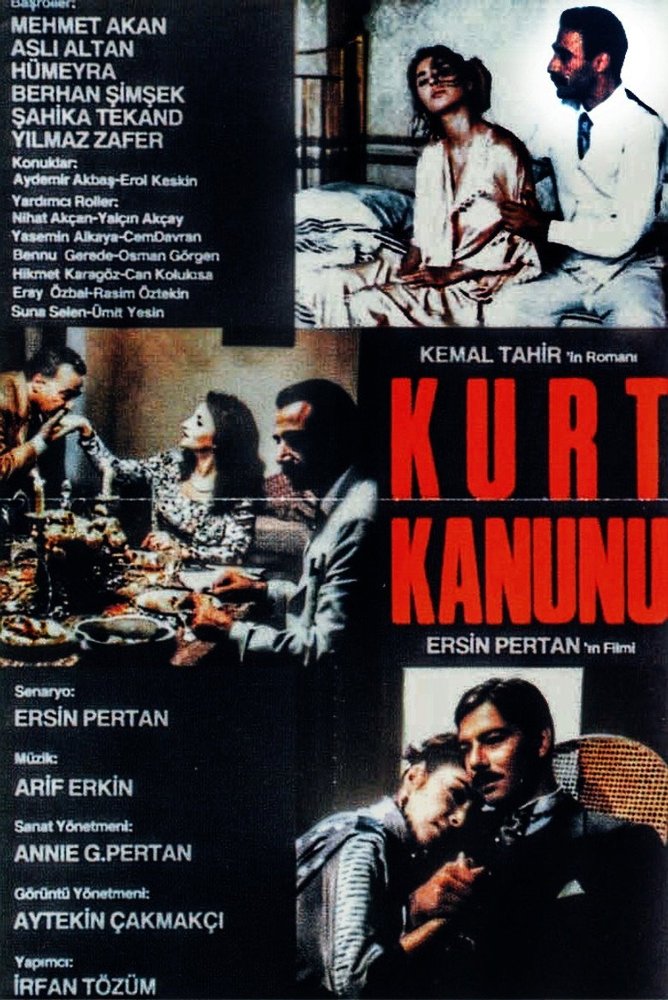
Ersin Pertan wrote and directed the Turkish comedy Tersine Dünya (Upside-Down World). Adapted from Orhan Kemal's novel of the same name, it was made for Özer Film with Enver Özer as producer. It is in color on 35 mm and runs 96 minutes; though cataloged as a 1993 production, it opened in cinemas on January 7, 1994. Its premise: what if women and men swapped places?

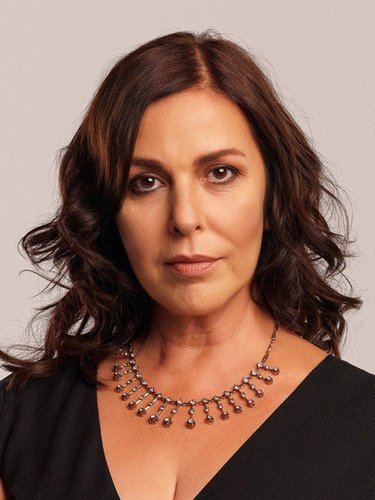
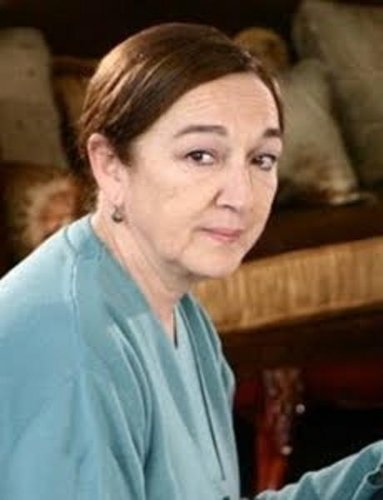
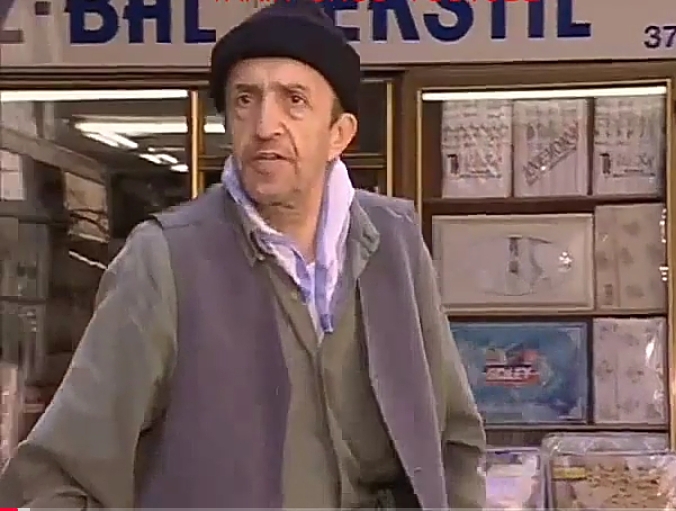
The story takes place in an imagined order in which social roles are turned completely upside down. Women are the neighborhood toughs who work and bring home the bread, while men stay at home and are kidnapped so they can be married off. Demet Akbağ plays Bitirim Leyla, with Rasim Öztekin as Süleyman. The cast also includes Lale Mansur (Sarı Leman), Jale Arıkan (Hasibe), Berhan Şimşek (Hamza), Serra Yılmaz (Meryem), Cem Davran (Zekerya) and Emre Altuğ (Orlando), while Esra Pertan plays Leyla's daughter. The reversal reaches the professions too: Sevda Ferdağ plays a factory owner, Candan Sabuncu Commissioner Nuran, Canan Suavi Police Officer Neriman and Sevim Gelenbe Yumrukçu Fatma. The comedy uses the inverted world to question gender conventions.

Uğur Döndür was the cinematographer, Onno Tunç wrote the music and Nevzat Dişiaçık edited; Annie G. Pertan was art director.

DirectorErsin Pertan
Production companyÖzer Film

Reactions

You can pick up to 3 reactions.

Cast

Also in the cast: Esra Pertan (Leyla's daughter), Canan Suavi (Police officer Neriman)
Through different eyes

History & Society Lens Asks about the period, the social background and what the work reflects.

Adapted from Orhan Kemal's novel, the film makes the familiar order strange by turning gender roles upside down. Women as the neighborhood toughs and men as the ones kidnapped to be married off is a sharp mirror of how routinely practices like bride kidnapping have been accepted in real life. Carrying the reversal into professions, with the commissioner, the police officer and the factory owner all women, is a reminder that inequality is built at work as well as at home. Still, this kind of inversion walks a fine line between questioning stereotypes and recycling them as material for laughs, and it is hard to say the film keeps its balance on that line at every moment.

Cinephile Looks at script, editing and directing choices; keeps a distance from formula films.

Tersine Dünya's strength and weakness both lie in its one-sentence premise. A world where women and men have swapped places is a perfect starting point for a short sketch; at feature length, the idea has to say something new in every scene. Ersin Pertan's script looks for variety by spreading the reversal from the neighborhood to the police and from the factory to the home, but the structure, in my view, rests largely on repeating the same joke in different settings. Annie G. Pertan's art direction and Onno Tunç's score help build the imagined order into a coherent world. The sheer size of the cast, however, scatters the story: so many supporting characters dilute the dramatic weight of the main line.

Yeşilçam Nostalgic A viewer raised on the classics, looking for warm storytelling and strong acting.

Orhan Kemal is a master of Turkish literature who wrote about people with affection and about poverty with humor, and that warmth is what one looks for in a film drawn from his novels. Tersine Dünya is an interesting attempt in that sense: it keeps the comic outlook of its source and pushes the idea boldly to the extreme. To an eye raised on the classics, though, the film relies more on the idea itself than on its characters' inner lives. As people become figures speaking to illustrate a thought, Orhan Kemal's heartfelt love of people slips a little into the background.

These are not reader reviews: they are short editorial takes written from different viewer perspectives with AI assistance. Reader reviews are below.

Reviews (0)

Log in Log in to write a review.

Comments