

I Saw the Sun (Güneşi Gördüm)
Mahsun Kırmızıgül wrote and directed Güneşi Gördüm (I Saw the Sun), a 120-minute Turkish drama and his second film as director. Made by Boyut Film, it opened on March 13, 2009. After it became one of the highest-grossing Turkish films of the year, it was re-released on September 18, 2009. It was chosen as Turkey's official submission for Best Foreign Language Film at the 82nd Academy Awards but was not nominated.
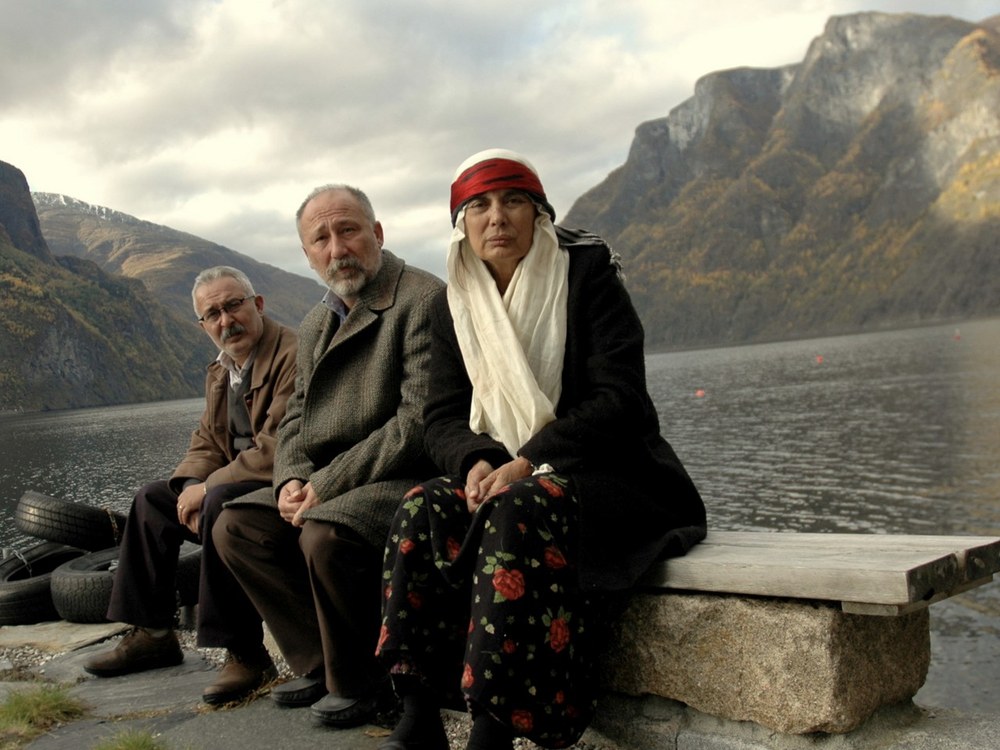
The story follows a large Kurdish family forced to leave its village in southeastern Turkey by armed conflict and an evacuation order. The family splits in two: some try their luck in Istanbul, while others look for hope by escaping to Norway. At the center are Ramo, who finally had a son after five daughters; Davut, with one son in the army and the other in the mountains; the harsh-tempered Mamo; and Mamo's brother Kadri, who has always felt like a girl (Cemal Toktaş). Migration, poverty and identity run through it. Also in the cast: Mahsun Kırmızıgül, Demet Evgar, Altan Erkekli, Seyhan Arman, Buğra Gülsoy and Sarp Apak.
Kırmızıgül, himself from southeastern Anatolia, takes on controversial subjects. This time he gathered his many stories around a single theme.
| Director | Mahsun Kırmızıgül |
|---|---|
| Production company | Boyut Film |


Reactions
You can pick up to 3 reactions.
Cast
 Alper Kul
Serhat
 Altan Erkekli
Davut
 Buğra Gülsoy
Berat
 Demet Evgar
Havar
 Emre Kınay
Musto
 Mahsun Kırmızıgül
Ramo
 Seyhan Arman
Fifi
 Aslıhan Kapanşahin
 Ceyhun Fersoy
Servis Elemanı
 Murat Ünalmış
Mamo
 Zafer Ergin
Colonel
 Cemal Toktaş
Kadri
 Sarp Apak
Ahmet
 Erol Günaydın
Samet
 Ali Sürmeli
Nedim
 Ayhan Eroğlu
Man from Tarlabaşı
 Cezmi Baskın
Bünyamin
 Nurseli İdiz
Headmistress Hülya Hanım
 Macit Sonkan
İsa
 Ayta Sözeri
Tuana
Yıldız Kültür
Pakize
 Erol Demiröz
Haydar
 Hande Subaşı
Zehra
 Yiğit Özşener
Captain Caner




Comments