Vizontele

Vizontele

Movie · 2001 · 20 people

Yılmaz Erdoğan wrote Vizontele and directed it with Ömer Faruk Sorak. Produced by the Beşiktaş Cultural Center, the comedy-drama was one of the most-watched Turkish films of its time. The plot draws on Erdoğan's own boyhood memory of a television set finally reaching his home province of Hakkâri; the story is set there, but because filming in Hakkâri was difficult it was shot in the Gevaş district of Van.

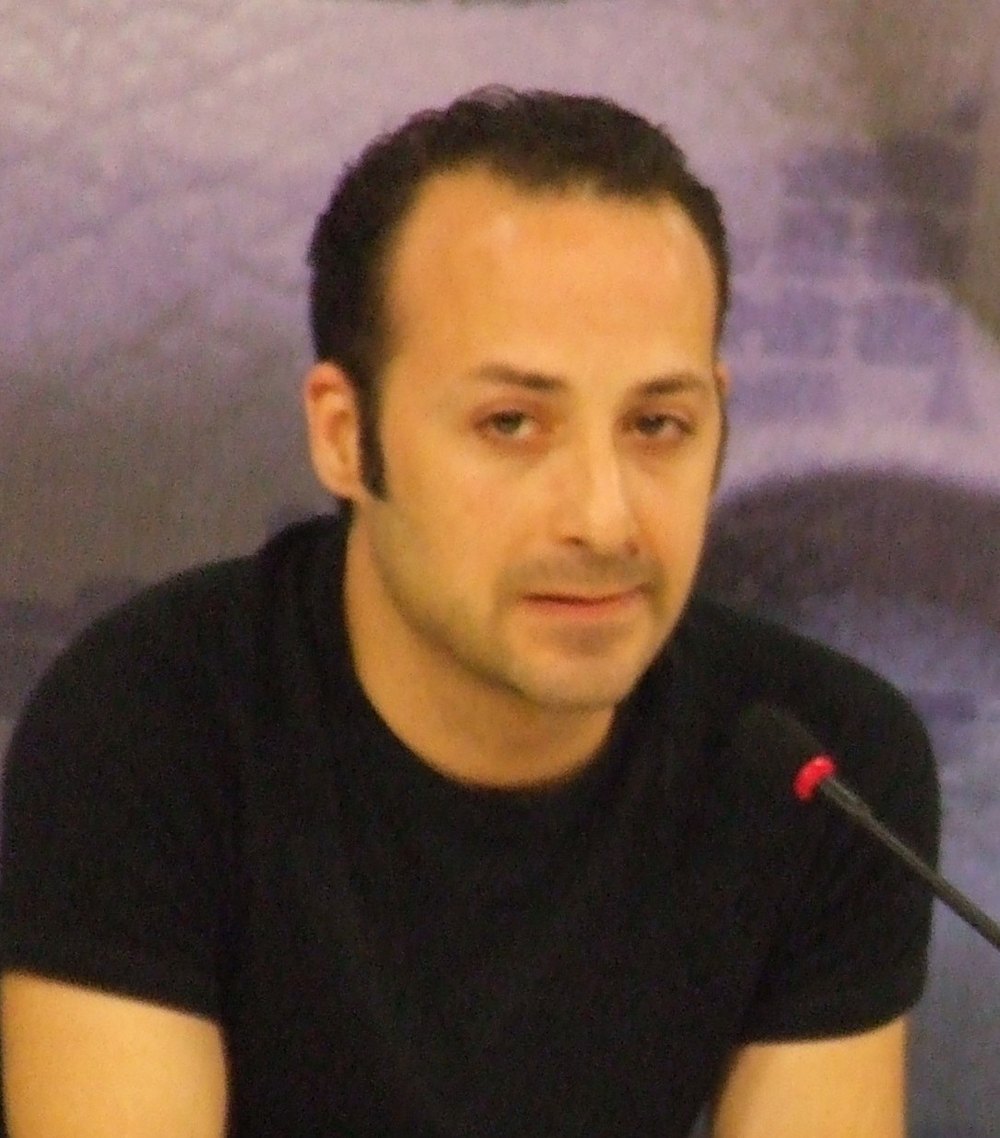
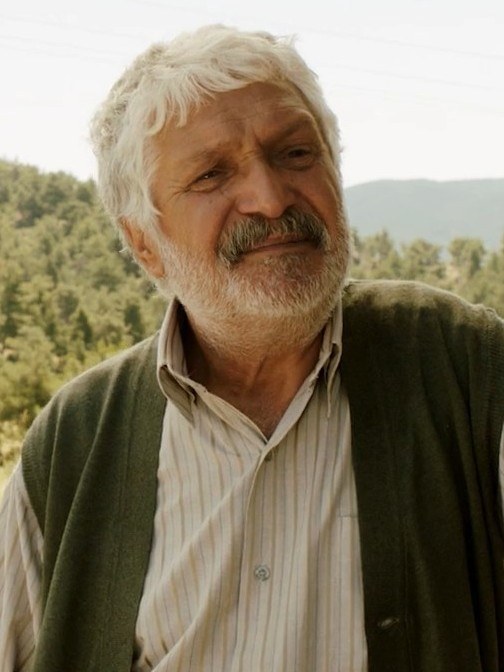
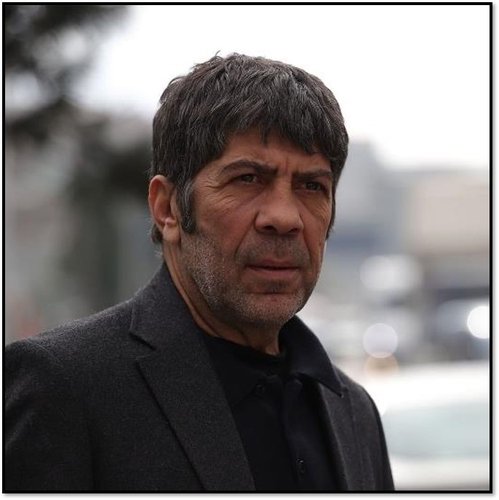
Set in the 1970s, it follows the arrival of a television set in an isolated Hakkâri town barely connected to the outside world. When officials sent to install the receiver fail to get it working, the mayor, Nazmi (Altan Erkekli), turns to Deli Emin (Yılmaz Erdoğan), regarded as mad but genuinely skilled with electronics. The hunt for a signal supplies plenty of comic mishaps, complicated further by Latif (Cezmi Baskın), owner of the town's open-air cinema, who is protecting his business and by tension between devout and secular townsfolk, until the very first broadcast news—that a soldier has died—turns the mood suddenly somber.

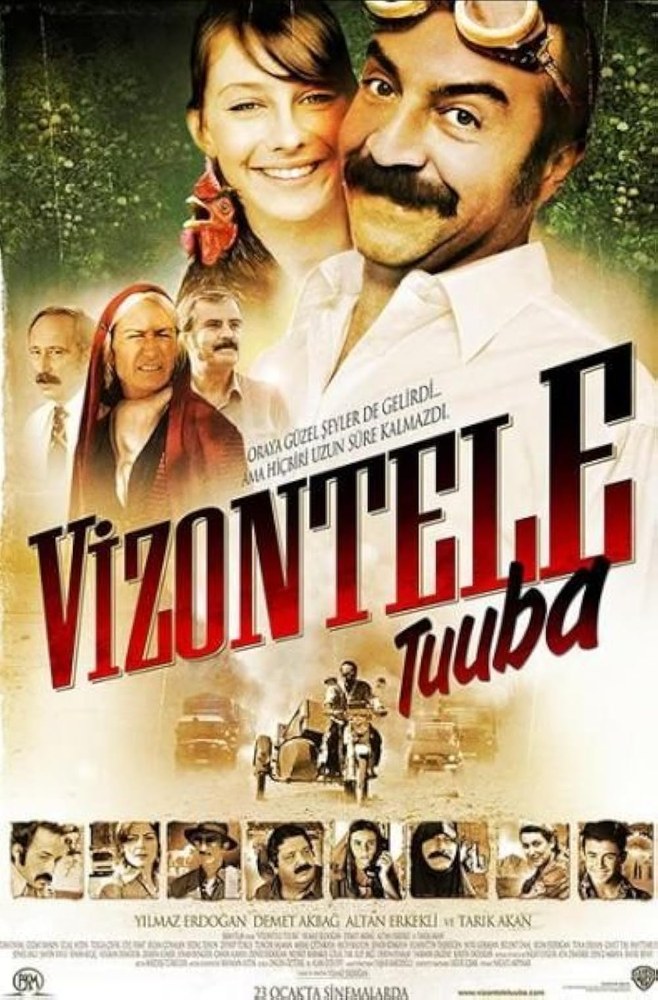
The cast, largely from Erdoğan's own theater company, includes Demet Akbağ, Altan Erkekli, Cem Yılmaz, Zeynep Tokuş, Şafak Sezer, Tolga Çevik, and Serhat Özcan. Released on February 2, 2001, the film won three Golden Orange awards at the Antalya Film Festival and was followed by a sequel, Vizontele Tuuba, in 2004.

DirectorYılmaz Erdoğan
Production companyBeşiktaş Kültür Merkezi
Vizontele Vizontele

Reactions

You can pick up to 3 reactions.

Cast

Through different eyes

Yeşilçam Nostalgic A viewer raised on the classics, looking for warm storytelling and strong acting.

Vizontele tells of the first television set reaching a small town, and in doing so it recalls an innocence many of us once knew. Drawn from Yılmaz Erdoğan's own boyhood memories, the story carries the warmth of the old Yeşilçam provincial comedies; from the mayor to the odd but gifted young man, every character has a heart. Demet Akbağ and Altan Erkekli never let the laughter slide into crudeness. What moved me most was the sorrow that surfaces in the middle of the fun: with the first news on the screen, the film gains a different depth altogether. A few sketch-like scenes run a little long, but this is old-fashioned storytelling that makes you laugh and think at once.

History & Society Lens Asks about the period, the social background and what the work reflects.

Vizontele can be read as more than a comedy: it is the story of a remote mid-1970s settlement, barely linked to the outside world, meeting modernity. Television here is not just a device; it stands for the outside world entering a small community. Having a local young man succeed where the official installers failed neatly shows the distance between the center and the provinces. The obstruction from the businessman guarding his screening venue shows how new technology threatens old livelihoods, while the tension between devout and secular townsfolk reflects the social divides of the period. That the very first news to arrive is of a soldier's death is a bitter reminder of what realities broadcasting would bring to this community.

Family Viewer Asks whether the whole household can watch it; cares about humor and heart.

Vizontele is a good family pick, with one small warning. Townsfolk struggling to get a television working, comic mishaps and lovable characters will make children laugh a lot. But at one point the story turns suddenly sad with news of a soldier's death. Young children may be caught off guard by that shift in mood. I would happily recommend it from middle-school age up. Grandparents will find the feel of the 1970s familiar, too.

These are not reader reviews: they are short editorial takes written from different viewer perspectives with AI assistance. Reader reviews are below.

Reviews (0)

Log in Log in to write a review.

Comments