
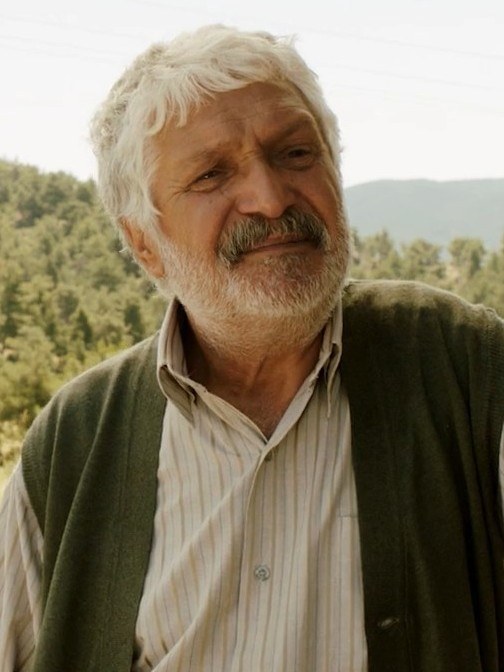
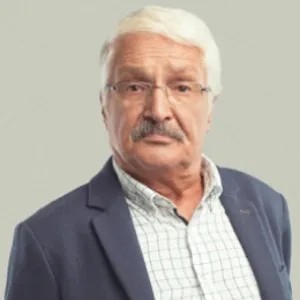
Salih Kalyon
Actor · 80 years old
Profile
| Age | 80 |
|---|---|
| Birth date | February 2, 1946 |
| Birthplace | Ağrı |
| Profession | Actor |
| Height | 1.71 m |
| Zodiac sign | Aquarius |
| Eye color | Brown |
| Education | Middle-school graduate |
In the rankings

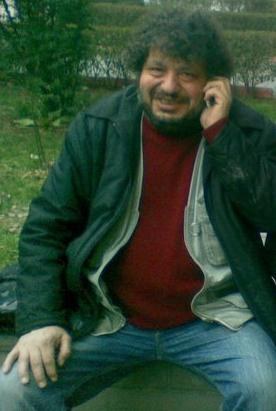


Filmography / Projects
- Temel: Sümela'nın Şifresi Yeniden
- Başkan
- Vatikan'ın Şifresi: Bir Temel Macerası
-
 Stickman (Çöp Adam) (translated)
- Bircanlar Lokantası
- Sen Ben Lenin
-
 My Father Has Changed a Lot (Babam Çok Değişti) (translated)
- Şahane Hayaller
- Randıman
- Kafa Doktoru
-
 The Pit (Çukur) (translated)
- Night of Knots (Düğüm Salonu)
- Aşk Bu Mu?
-
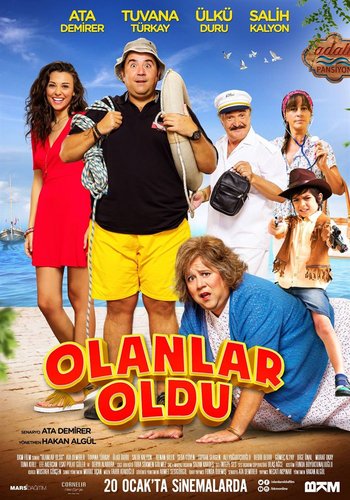 What Happened, Happened (Olanlar Oldu) (translated)
-
 Crazy Dumrul (Deli Dumrul) (translated)
-
 Şevkat Yerimdar
-
 The Secret of Sumela 3: Junior Temel (Sümela'nın Şifresi 3: Cünyor Temel) (translated)
-
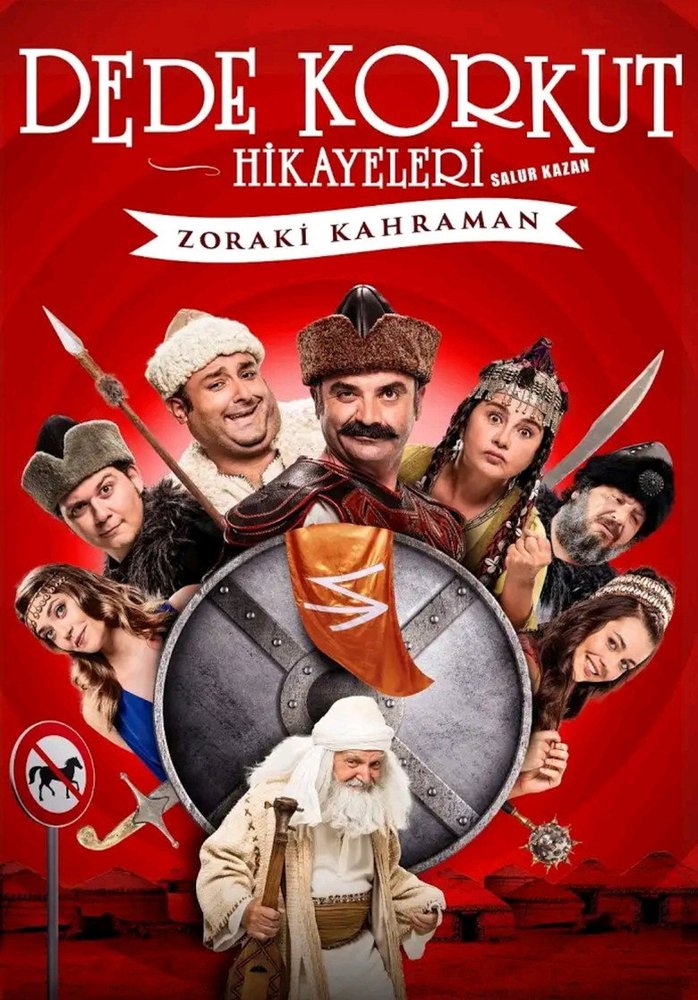 Salur Kazan: The Reluctant Hero (Salur Kazan: Zoraki Kahraman) (translated)
- Dede Korkut Hikayeleri: Bamsı Beyrek
-
 The Dove Flew Away (Güvercin Uçuverdi) (translated)
-
 8 Seconds (8 Saniye)
-
 Sea of Green (Yeşil Deniz)
- Cemil Şov
- Piyasadan Büyük Alacağımız Var
- Oh No, Oh No 4 (Eyvah Eyvah 4) (translated)
-
 The Water Diviner
-
 Eyyvah Eyvah 3
-
 The Butterfly's Dream (Kelebeğin Rüyası)
- Ali Loves Ayşe (Ali Ayşe'yi Seviyor) (translated)
-
 Şevkat Yerimdar
- The Bug (Böcek) (translated)
- The Ward Academy (Koğuş Akademisi) (translated)
- Şeref Dayı ve Gölgesi
-
 Moscow Code: Temel (Moskova'nın Şifresi: Temel) (translated)
-
 Handwriting (El Yazısı) (translated)
-
 My Dear (Canım Benim) (translated)
-
 The Code of Sümela: Temel (Sümela'nın Şifresi: Temel) (translated)
- The Golds of Istanbul (İstanbul'un Altınları) (translated)
-
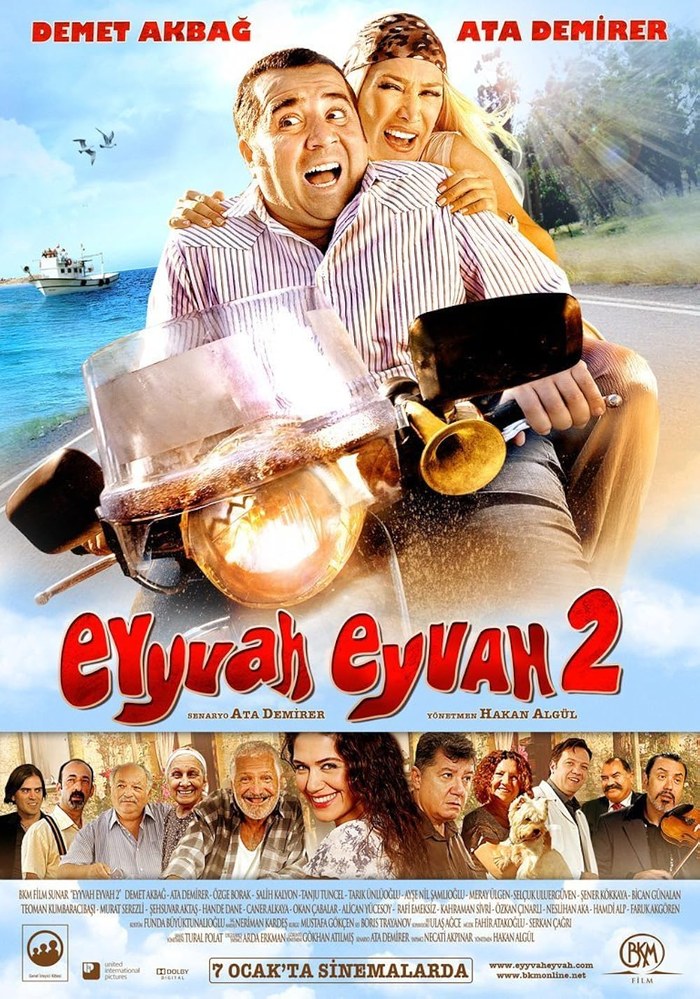 Eyyvah Eyvah 2
-
 Five Minarets in New York (New York'ta Beş Minare)
- The Sulking Flower (Küstüm Çiçeği) (translated)
-
 Eyyvah Eyvah
-
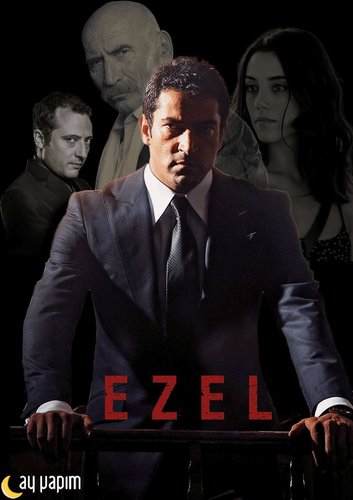 Ezel
- Rebellion Against Them All (Alayına İsyan) (translated)
-
 Etiquette (Adab-ı Muaşeret) (translated)
- Stepfamily (Üvey Aile) (translated)
-
 Super Agent K9 (Süper Ajan K9)
-
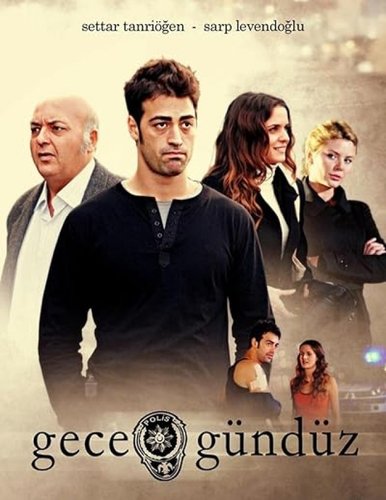 Night and Day (Gece Gündüz) (translated)
-
 The White Angel (Beyaz Melek)
- Love Is a Lie (Aşk Bir Yalan) (translated)
-
 The Comedy Shop (Komedi Dükkanı) (translated)
- Love Is an Old Lie (Aşk Eski Bir Yalan) (translated)
- Storm (Fırtına) (translated)
- The Chinese Are Coming (Çinliler Geliyor) (translated)
-
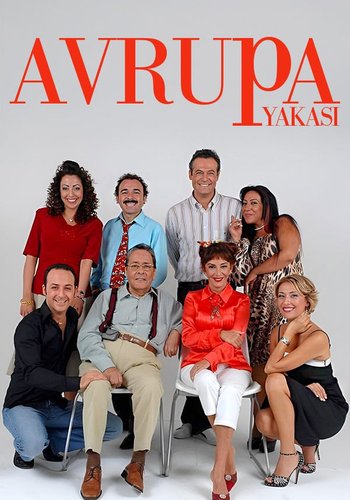 The European Side (Avrupa Yakası) (translated)
-
 Magic Carpet Ride (Organize İşler)
- Azize
-
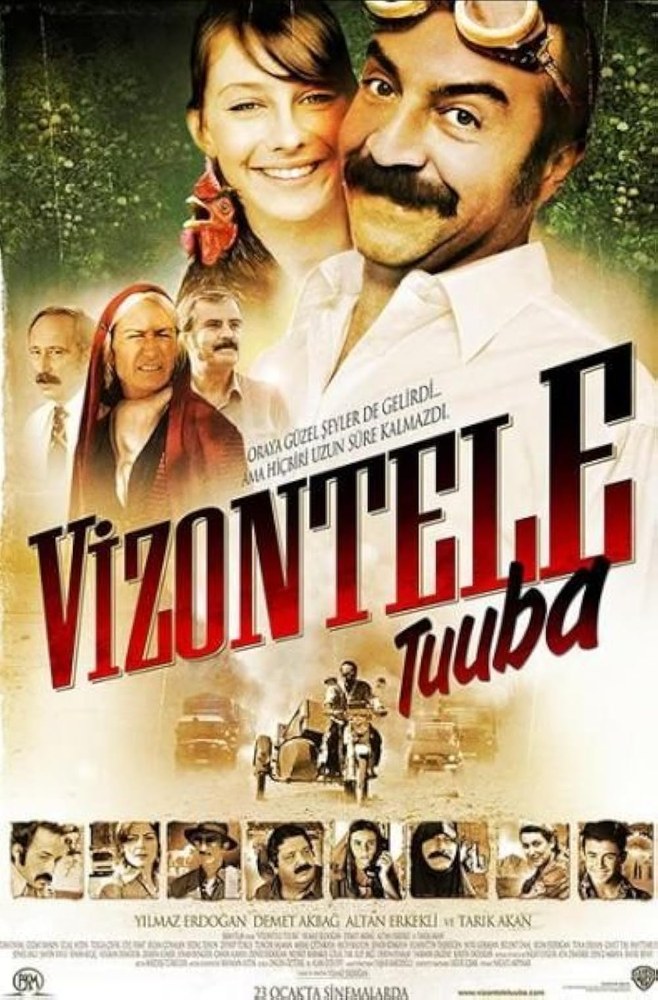 Vizontele Tuuba
- Immortal Love (Ölümsüz Aşk) (translated)
- Life Inc. (Hayat A.Ş.) (translated)
-
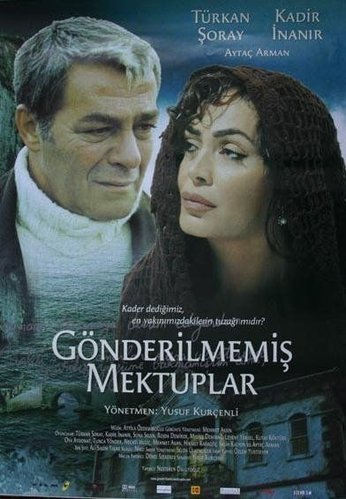 Unsent Letters (Gönderilmemiş Mektuplar) (translated)
- Bana Bir Şeyhler Oluyor
- Lust for Power (Koltuk Sevdası) (translated)
-
 Vizontele
- Sen Hiç Ateşböceği Gördün mü?
- My Son Will Become a Man (Oğlum Adam Olacak) (translated)
-
 A Bouquet of Theatre (Bir Demet Tiyatro) (translated)
- The Summer Folk (Yazlıkçılar) (translated)
-
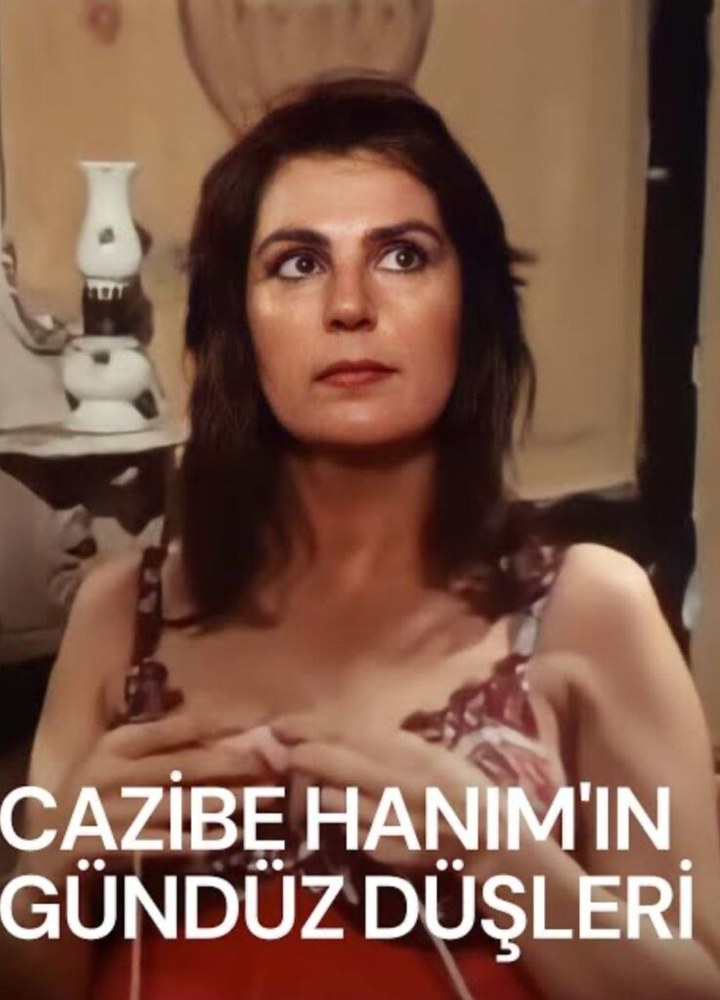 Lady Cazibe's Daydreams (Cazibe Hanımın Gündüz Düşleri) (translated)
-
 The Secret Face (Gizli Yüz)
- Reconciliation (Uzlaşma) (translated)
-
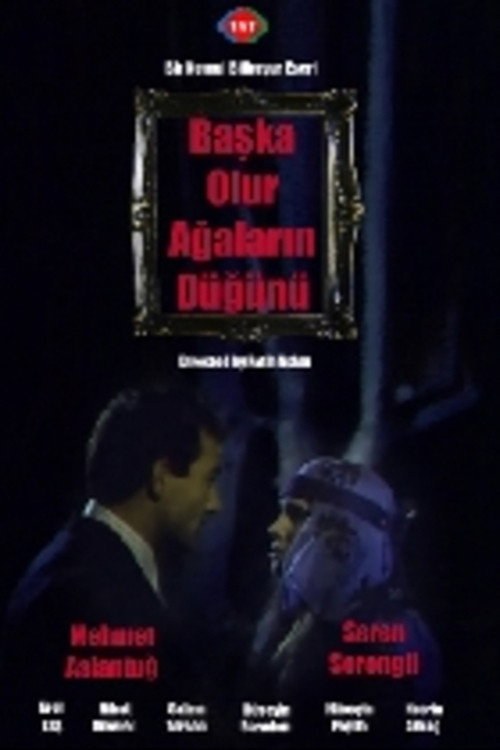 The Lords' Wedding Is Something Else (Başka Olur Ağaların Düğünü) (translated)
-
 Our Folks (Bizimkiler) (translated)
-
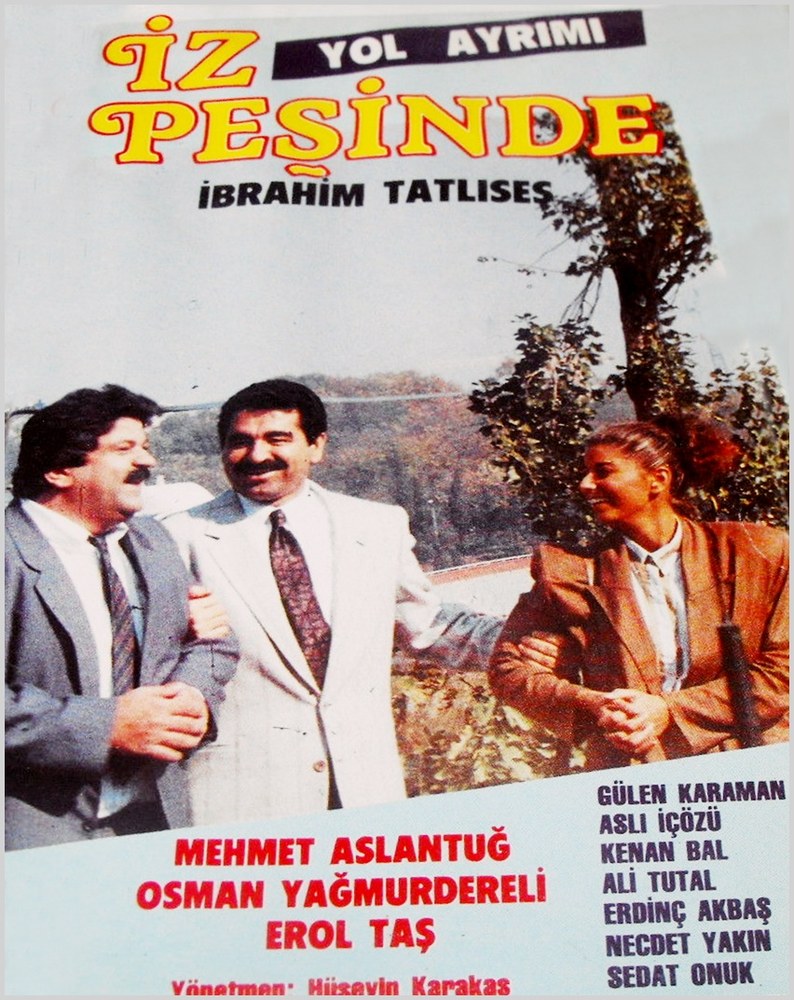 In Pursuit of a Trace (İz Peşinde)
- Doktorlar
- Belene
- Merdoğlu Ömer Bey
-
 The Broken Landlord (Züğürt Ağa)
- The Naked Citizen (Çıplak Vatandaş)
-
 Sister Fahriye (Fahriye Abla) (translated)
- Friend (Arkadaş) (translated)
- Arkadaşım
-
 The Lucky Laborer (Talihli Amele) (translated)
- Sunny Swamp (Güneşli Bataklık) (translated)
Salih Kalyon — Biography
Although born in Ağrı, Salih Kalyon's family came from the village of Koldere in Trabzon's Çaykara district; he grew up in Sakarya and did not continue his studies past middle school. At eighteen, in 1964, he moved to Istanbul, and it was with the Ankara Art Theatre that he turned professional, in the play "Ayak Bacak Fabrikası," going on to appear there in works such as "The Resistible Rise of Arturo Ui," "Ward 72" and "Mother," and spending a brief spell with the Dostlar Theatre as well.
In 1976 he founded the Ankara Children's Theatre, which he ran for twenty years, writing, directing and acting in plays for young audiences; after a two-year break he returned to the stage in 1999 with "Sen Hiç Ateşböceği Gördün mü?," and around the same period performed with Yılmaz Erdoğan's BKM ensemble and appeared on a variety show co-hosted by actor Tolga Çevik. Widely known for playing "tak tak Sedat" in Bizimkiler from 1989 to 2002, he later portrayed Yavuz Çoban in the series Çukur.
Beyond Vizontele, the Eyvah Eyvah series and Şevkat Yerimdar, Kalyon kept working through the 2020s in films such as Şahane Hayaller, Randıman, Vatikan'ın Şifresi: Bir Temel Macerası and Başkan, returning to the screen in 2025 with Temel: Sümela'nın Şifresi Yeniden. His forty-seven-year marriage to İnci Kalyon ended with her death in 2018.
Photos


Reactions
You can pick up to 3 reactions.
Comments