My Father and My Son (Babam ve Oğlum)

My Father and My Son (Babam ve Oğlum) (translated)

Movie · 2005 · 13 people

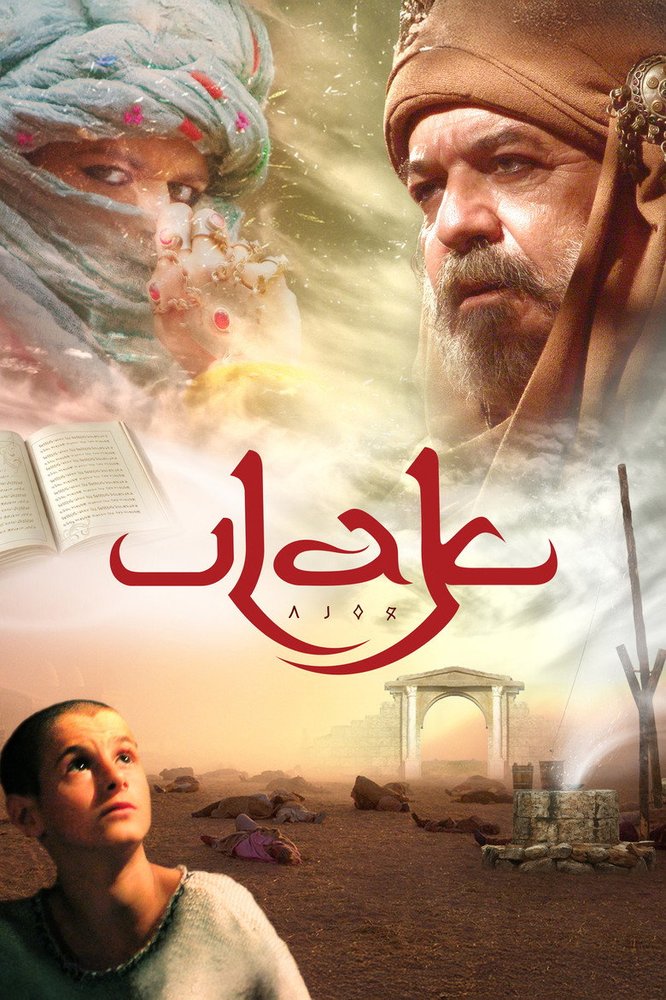
Çağan Irmak's Babam ve Oğlum (My Father and My Son), a Turkish family drama set in the shadow of the September 12, 1980, coup, dates from 2005. Irmak also wrote the screenplay. It opened on November 18, 2005, and passed 3.5 million viewers in Turkey, making it one of the most-watched films in the country's history. It is regarded as one of the most touching Turkish films of its period.

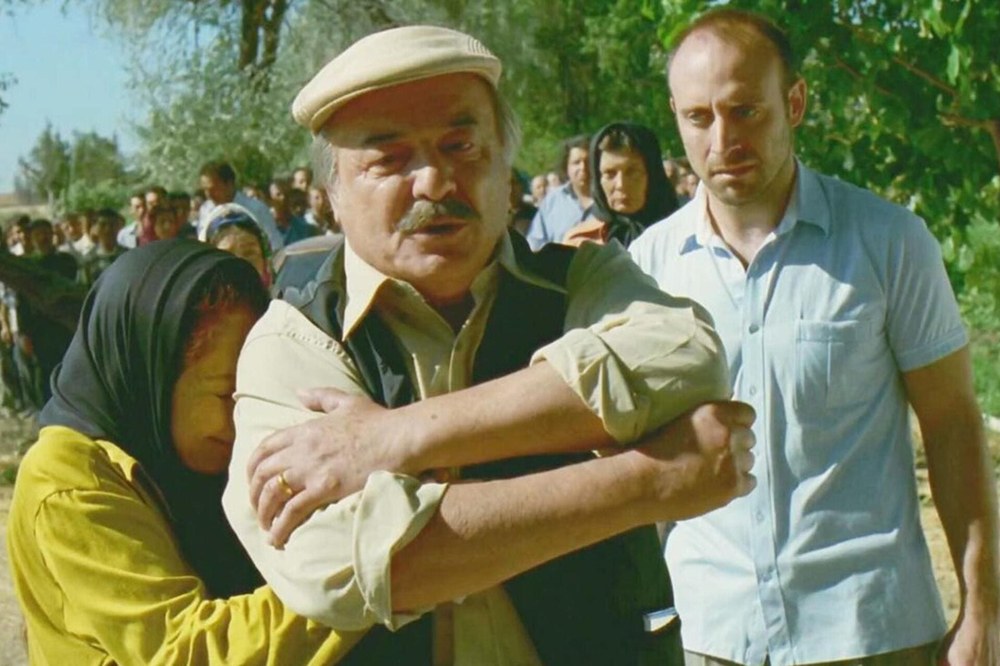
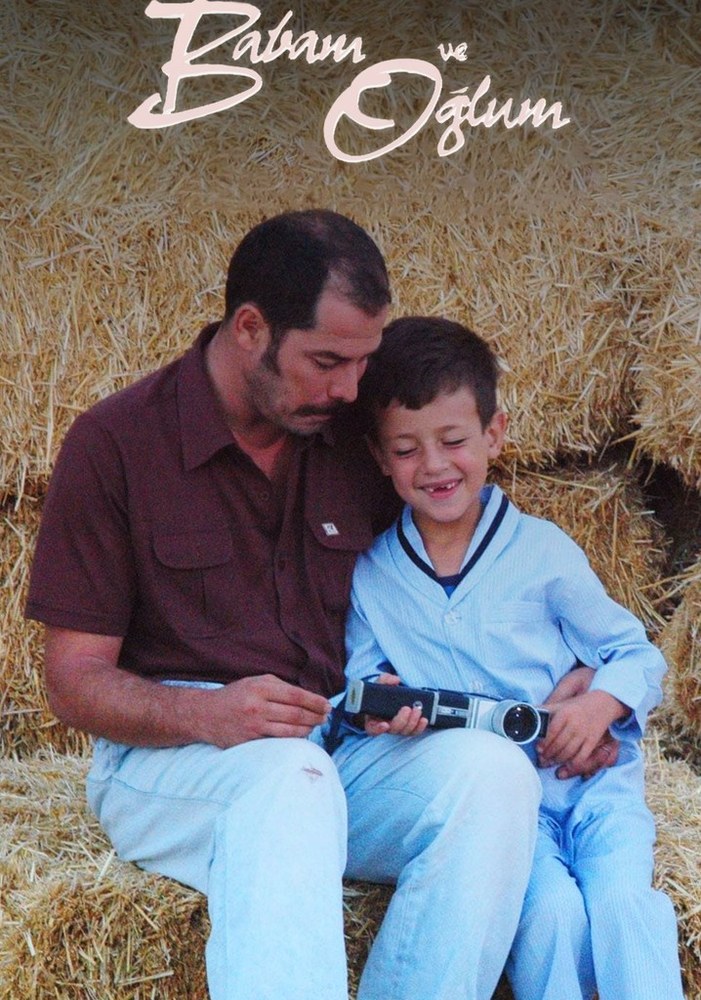
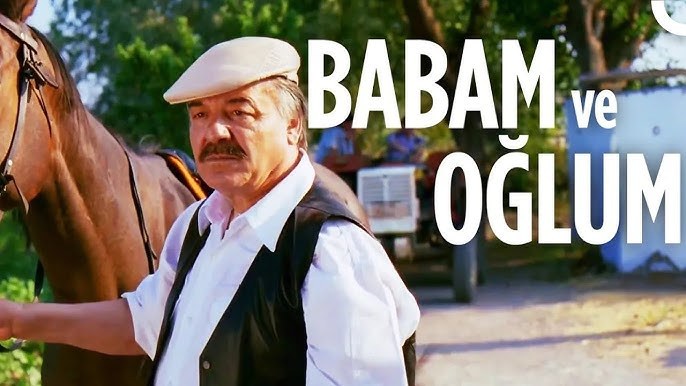
Sadık (Fikret Kuşkan) left his family's Aegean farm to study journalism and was disowned by his father Hüseyin Efendi (Çetin Tekindor) after getting involved in politics. Years later he takes his young son Deniz (Ege Tanman) to the grandfather the boy has never met, because he must leave Deniz in his father's care. Deniz finds himself among a loud, endearingly eccentric household: a sulking aunt (Şerif Sezer), a grandmother who drives a tractor and speaks by radio (Hümeyra) and Binnur Kaya and Yetkin Dikinciler as Hanife and Salim. As Sadık faces his past in the town, the boy begins to melt the ice between grandfather and father.

Filming took place in Seferihisar in İzmir, Ayvalık in Balıkesir and Istanbul. Evanthia Reboutsika composed the music; Avşar Film produced it, and it runs 108 minutes.

DirectorÇağan Irmak
Production companyAvşar Film
My Father and My Son (Babam ve Oğlum) My Father and My Son (Babam ve Oğlum) My Father and My Son (Babam ve Oğlum)

Reactions

You can pick up to 3 reactions.

Cast

Also in the cast: Ege Tanman (Deniz)
Through different eyes

Yeşilçam Nostalgic A viewer raised on the classics, looking for warm storytelling and strong acting.

Babam ve Oğlum is one of those rare films that bring Yeşilçam's family warmth together with a newer sensibility. Çetin Tekindor's Hüseyin Efendi, stern on the surface yet full of love underneath, is a father who stays with you, and Fikret Kuşkan conveys, with great sincerity, the weariness of a son forced to face his father. Seen through little Deniz's eyes, a crowded Aegean household full of endearing quirks... Evanthia Reboutsika's music carries the story's feeling gently. It is not hard to see why more than three and a half million viewers took this film to heart.

History & Society Lens Asks about the period, the social background and what the work reflects.

The film tells a family story set in the shadow of the September 12, 1980, coup and shows how politics can split a family in two. Sadık, who left the Aegean farm to study journalism and was disowned by his father for getting involved in politics, stands in for a generation that paid a price in those years. Rather than turning the coup into an openly political narrative, Çağan Irmak reads it through the rift between father and son. That choice helped the film reach a wide audience, but viewers looking for a sharper analysis of the period may feel the political background remains mostly an emotional backdrop.

Cinephile Looks at script, editing and directing choices; keeps a distance from formula films.

Written and directed by Çağan Irmak, the film owes much of its power to its cast. The tension between Çetin Tekindor and Fikret Kuşkan is at its best in moments where little is said and much is conveyed, while Hümeyra, Şerif Sezer, Binnur Kaya and Yetkin Dikinciler create the household's lively, eccentric texture. Still, the film sometimes loses its sense of measure with emotion: the music and drawn-out sentimental beats all but push viewers toward a place they would have reached on their own. Over 108 minutes, as the dramatic load grows, the storytelling edges toward melodrama. Reservations aside, it is a sincere, well-acted family drama that earned its place among the most-watched Turkish films of its era.

These are not reader reviews: they are short editorial takes written from different viewer perspectives with AI assistance. Reader reviews are below.

Reviews (0)

Log in Log in to write a review.

Comments