Bal

Honey (Bal)

Movie · 2010 · 5 people

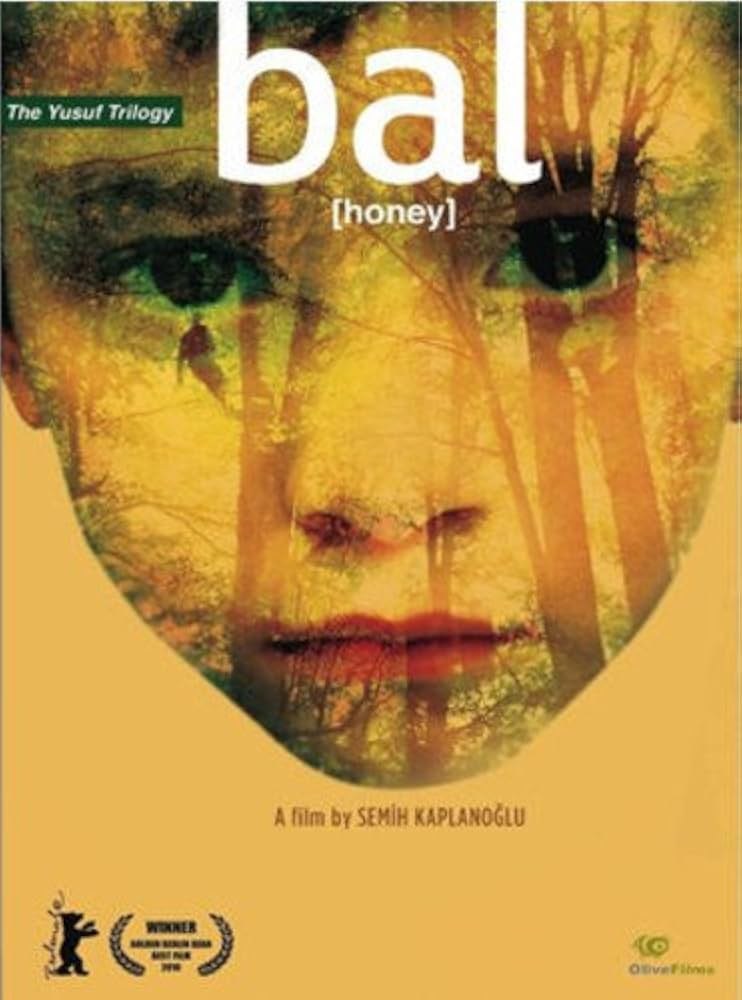
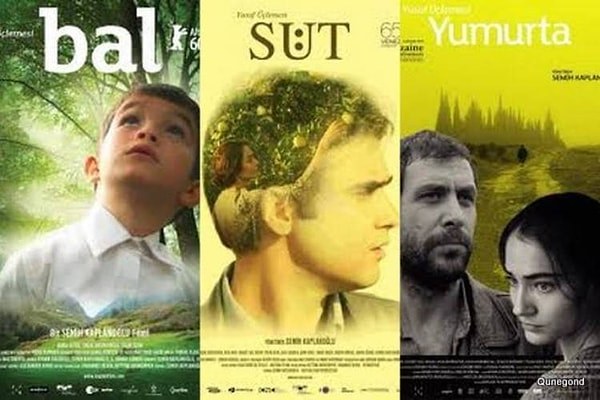
Semih Kaplanoğlu directed Honey (Turkish title Bal), a 104-minute drama co-produced by Turkey, Germany and France. It is the last part of the "Yusuf Trilogy", which follows the poet Yusuf backwards through his life after Egg (2007) and Milk (2008). Premiering in competition at the 60th Berlin International Film Festival on 16 February 2010, it won the Golden Bear, the third Turkish film to do so after Susuz Yaz (1964) and Head-On (2004). It reached Turkish cinemas on 9 April 2010.

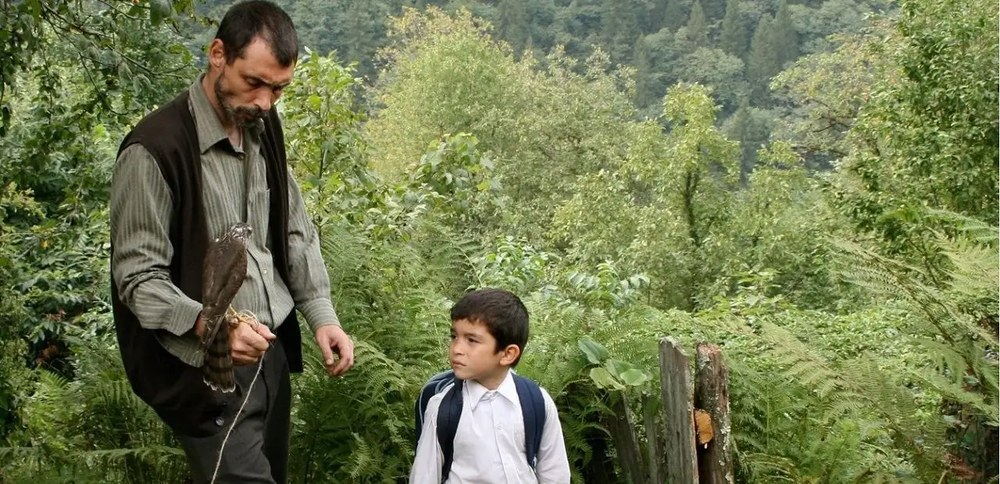
The story centres on young Yusuf, who has just started school, and his father, a beekeeper working deep in a gloomy forest. Where Egg showed the adult Yusuf and Milk his bond with his mother, Honey returns to the poet's childhood, with the father taking the mother's place. One night Yusuf tells his father a dream, but its content stays a secret. When his father goes into the forest depths and does not return, the boy withdraws into himself and finally goes into the woods to look for him. Bora Altaş, Erdal Beşikçioğlu and Tülin Özen star.

Kaplanoğlu wrote the screenplay with Orçun Köksal, and filming took place in the Çamlıhemşin district of Rize, at the foot of the Kaçkar Mountains. The film was Turkey's candidate for the Best Foreign Language Film Oscar at the 83rd Academy Awards but missed the final shortlist.

DirectorSemih Kaplanoğlu
Honey (Bal) Honey (Bal)

Reactions

You can pick up to 3 reactions.

Cast

Through different eyes

Cinephile Looks at script, editing and directing choices; keeps a distance from formula films.

Honey completes the Yusuf Trilogy's backward journey through the poet's life, and that reverse chronology is the trilogy's most compelling idea. After Egg showed the adult Yusuf and Milk his bond with his mother, Honey goes back to childhood and puts the father in the mother's place. Each film can stand alone, yet read together they become an excavation of memory. The Golden Bear in Berlin, after Susuz Yaz and Head-On, is a major milestone for Turkish cinema. Still, for viewers new to Kaplanoğlu's cinema, this spare, inward language may feel distant at first; the film prefers suggesting to telling, keeping even the dream's content secret.

Family Viewer Asks whether the whole household can watch it; cares about humour and heart.

At the centre of the story are a boy who has just started school and his father, but this is not a film made for children. Its storytelling is calm and inward-looking. The father not coming back from the forest may upset young children. It suits patient teenagers and adults better. Watched with grandparents, it can open a good conversation about the bond between a father and child.

History & Society Lens Asks about the period, the social background and what the work reflects.

Shooting in the Çamlıhemşin district of Rize, at the foot of the Kaçkar Mountains, ties the film tightly to its geography. A father who makes his living keeping bees deep in the forest shows how dependent rural life is on nature; when he goes into the woods and does not return, that dependence turns into the family's fragility. Seeing things through the eyes of a boy who has just started school shows from the inside a world urban audiences usually watch from afar. The film treats the mountain villages of the Black Sea not as a postcard but as a stage for labour and solitude.

These are not reader reviews: they are short editorial takes written from different viewer perspectives with AI assistance. Reader reviews are below.

Reviews (0)

Log in Log in to write a review.

Comments