Gheysar

Qeysar

Movie · 1969 · 5 people

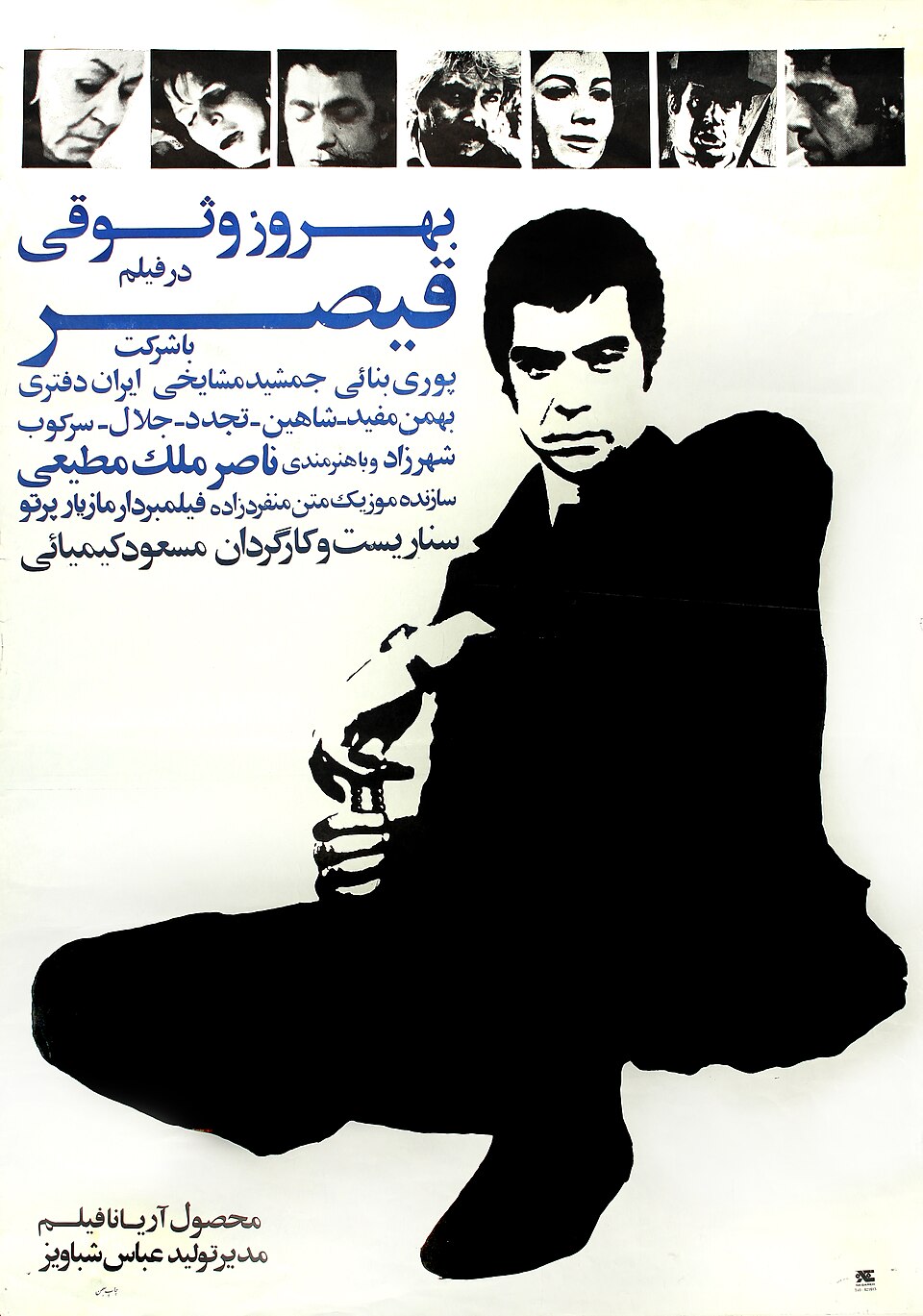
Masoud Kimiai wrote and directed the 1969 Iranian film Gheysar (also spelled Qeysar, Gheisar or Kaiser, and meaning “Caesar”). A blend of drama and crime, it was shot in Persian and runs about 100 minutes. It is regarded as a landmark of Iranian cinema, credited with launching a trend of brooding noir dramas in which outraged family honour is avenged, and it is now considered a cult film.

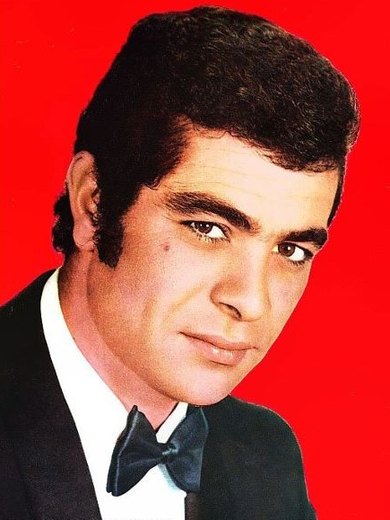
Behrooz Vossoughi stars as the title hero Qeysar, a role that made him a legendary actor in Iranian cinema. The cast also includes Pouri Banayi, Nasır Melek, Bahman Mofid, Gholam-Reza Sarkub, Jamshid Mashayekhi, Jalal Pishvaian, Iran Daftari, Shahrzad and Mir-Mohammad Tajaddod. It was the top-grossing Iranian film of its year and played a major part in forming the Iranian New Wave.

Abbas Shabaviz produced the film at Aryana Film studio, and Abbas Kiarostami designed its title sequence. In 1980, after the revolution, the cleric and politician Sadegh Khalkhali spoke openly of the film no longer being shown. It was remade in Turkish in 1972 as Alın Yazısı, starring Cüneyt Arkın.

DirectorMesud Kimyai
Production companyAryana Film

Reactions

You can pick up to 3 reactions.

Cast

Only cast members with a profile on this site are listed.
Through different eyes

Yeşilçam Nostalgic A viewer raised on the classics, looking for warm storytelling and strong acting.

Turkish viewers will know Gheysar best through Alın Yazısı, the 1972 Turkish remake starring Cüneyt Arkın. Watching the original is like seeing how stories of revenge for a family's honour found their voice in a neighbouring cinema. Behrooz Vossoughi's Qeysar is the role that made him one of the legends of Iranian cinema. Still, a brooding story built from start to finish on vengeance stays too dark for an eye that looks for warmth, a moral centre and forgiveness. A powerful classic that deserves respect, but one that does not warm the heart.

History & Society Lens Asks about the period, the social background and what the work reflects.

Gheysar is built on family honour and revenge, and it is regarded as a turning point in Iranian cinema. It is credited with steering a trend of brooding dramas about avenged honour and with playing a major part in forming the Iranian New Wave; being the top-grossing Iranian film of its year shows these themes struck a chord with a wide audience. The film's fate tells as much about its era as its story: in 1980, after the 1979 revolution, Sadegh Khalkhali spoke openly of it no longer being shown. Its 1972 Turkish remake, Alın Yazısı, suggests that tales of honour and revenge ran as a shared vein through both countries' cinemas. Today it is also possible to read a hero who seeks his own justice with a critical eye.

Cinephile Looks at script, editing and directing choices; keeps a distance from formula films.

Gheysar is a noir-toned revenge story where drama meets crime, and Masoud Kimiai is said to have created with it what would later be called the 'tragic action drama'. Its historical weight is beyond dispute: a key link in the forming of the Iranian New Wave, with a title sequence designed by Abbas Kiarostami, which alone makes it a point of interest for anyone curious about film history. Behrooz Vossoughi's presence in the lead is the film's backbone. On the other hand, watched today, the fact that this revenge template was repeated so often in later years can dim its originality; that is the drawback of meeting the founder of a formula after its copies. An essential stop for understanding its cult status, but a film best read in its own context.

These are not reader reviews: they are short editorial takes written from different viewer perspectives with AI assistance. Reader reviews are below.

Reviews (0)

Log in Log in to write a review.

Comments