For the Two of Us (İkimizin Yerine)

For the Two of Us (İkimizin Yerine) (translated)

Movie · 2016 · 9 people

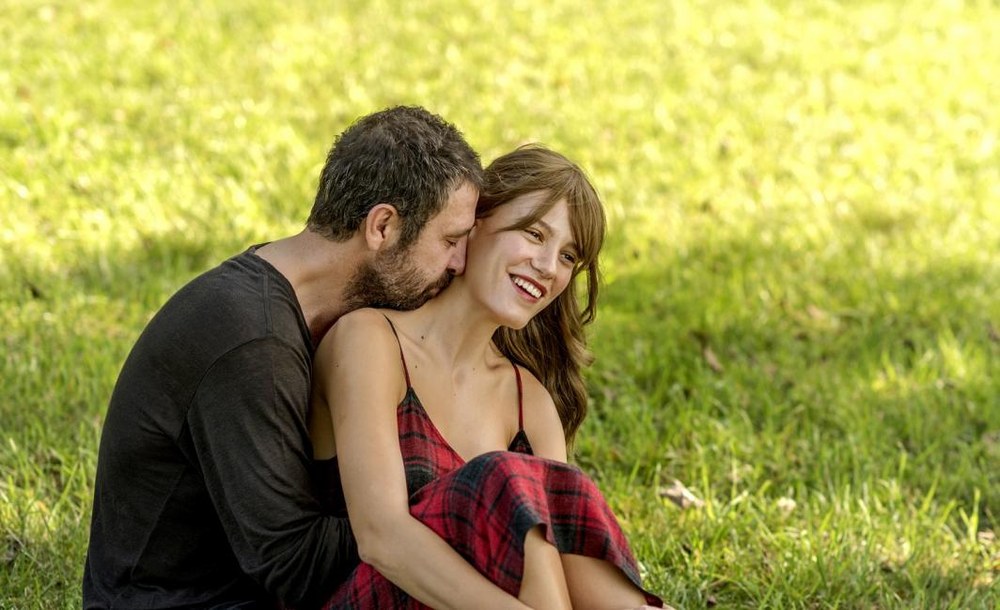
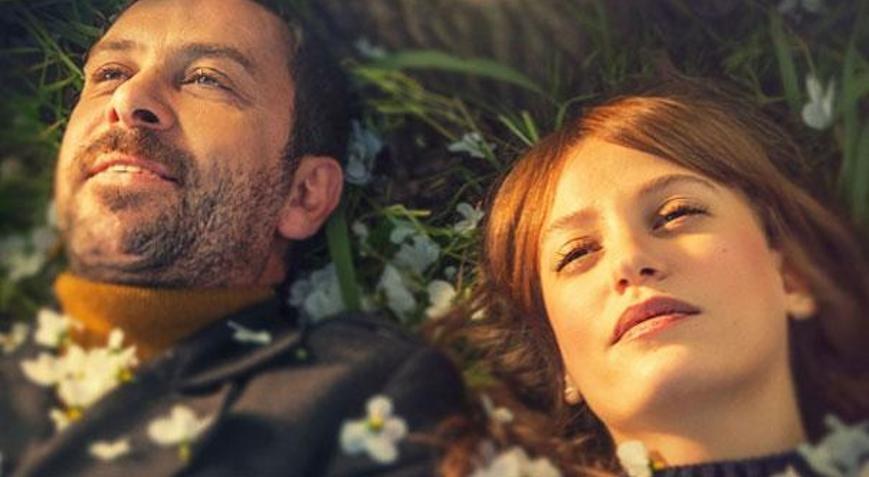
A Pınar Bulut screenplay lies behind İkimizin Yerine, a 2016 Turkish romantic drama directed by Umur Turagay. The 126-minute film opened on October 21, 2016, and reached 330,000 viewers in its first three days, the best opening for a Turkish romance in a decade; about 1.38 million tickets were sold in all. Serenay Sarıkaya and Nejat İşler share the lead; it is Sarıkaya's first leading film role and İşler's return to the big screen after a long break.

In a small provincial town, Çiçek (Serenay Sarıkaya), stuck in the repetitive life her family imposes on her, falls in love with Doğan (Nejat İşler), a mysterious literature teacher who has just arrived. However hard Doğan resists the forbidden affair, he cannot stay away from her. The two try to heal each other's wounds, and their bond changes a family's fate. Zerrin Tekindor plays Çiçek's mother Ülkü and İştar Gökseven her father Murat, with Özgür Emre Yıldırım (Kudret), Aslı Bekiroğlu (Ceylan) and Merve Çağıran (Sevil) also in the cast.

Filming took place in Bursa. Ömer Ahunbay composed the music and Yon Thomas was cinematographer; the producers include Timur Savcı, Şeyba Tüysüzoğlu, Tunay Vural and Cemal Okan. Premieres were held in Berlin and Baku.

DirectorUmur Turagay
Production companyTaff Pictures
For the Two of Us (İkimizin Yerine) For the Two of Us (İkimizin Yerine) For the Two of Us (İkimizin Yerine)

Reactions

You can pick up to 3 reactions.

Cast

Also in the cast: İştar Gökseven (Murat), Tunay Vural (Vagrant)

Through different eyes

Yeşilçam Nostalgic A viewer raised on the classics, looking for warm storytelling and strong acting.

A young woman hemmed in by provincial life, a mysterious literature teacher newly arrived in town, and a forbidden love neither can resist: the set-up sits very close to the bittersweet romances of Yeşilçam. Serenay Sarıkaya's first leading film role, Nejat İşler's return to the big screen after a long absence and Zerrin Tekindor as the mother make this a film that rests on its acting. Ömer Ahunbay's music offers the emotion a gentle accompaniment. Still, 126 minutes is long for so heavy a sorrow; this film asks for a patient heart.

Cinephile Looks at script, editing and directing choices; keeps a distance from formula films.

Umur Turagay's film tries to enrich a romantic drama with elements of mystery, and the real question is how well those two tones are balanced. Pınar Bulut's script uses Çiçek's repetitive small-town life as the trigger for the romance: a classic frame, but one that works. Doğan's mystery is the engine that drives the story forward. Yon Thomas's cinematography lends atmosphere to the Bursa locations. The problem is length: at 126 minutes the film gives the melodrama's emotional beats too much room, and tighter editing could have sharpened the mystery. Serenay Sarıkaya carries the weight of her first lead, and Nejat İşler gives his enigmatic character real weight. Its standing as the best opening for a romance in a decade shows the genre still has a strong audience.

History & Society Lens Asks about the period, the social background and what the work reflects.

The film centers on a young woman trapped in the repetitive life her family imposes, and in doing so touches on the generational and gender pressures of provincial life. Çiçek's love is not only a romantic escape; it can also be read as a wish to break out of a closed small-town order. That the relationship counts as forbidden is a reminder of how privacy and gossip work in small places. And the way the story changes a family's fate shows how deep a shock individual choices can send through a family structure. Still, the film mostly uses its social backdrop as scenery for the love story; the provinces themselves could have been drawn in more detail.

These are not reader reviews: they are short editorial takes written from different viewer perspectives with AI assistance. Reader reviews are below.

Reviews (0)

Log in Log in to write a review.

Comments