Second Spring (İkinci Bahar)

Second Spring (İkinci Bahar)

TV Series · 1998–2001 · 21 people

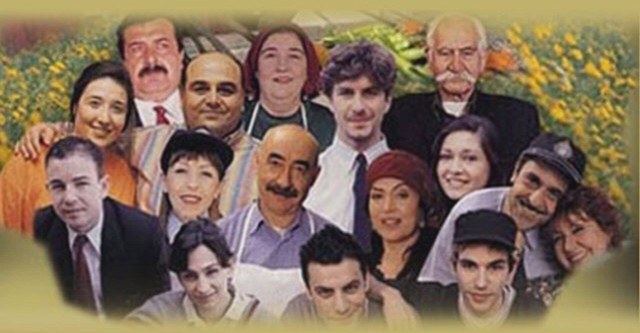
From 1998 to 2001, ATV aired İkinci Bahar (Second Spring), a Turkish television series. Mostly a drama, with touches of comedy and family storytelling, it is remembered for breaking viewing records in its day. Spread over three seasons, the story runs to 37 episodes and was shot in the Samatya district of Istanbul. Türkan Şoray and Şener Şen share the leading roles.

At its center is Ali Haydar, who earns his living from his own kebab shop. One day his wife disappears, the search comes to nothing, and he is left alone with their three daughters. The series follows the love that blossoms in middle age between him and Hanım, a widow with two children, the second spring of the title.

The broadcast schedule came in three stretches. The first eight episodes ran from October 29, 1998 to May 20, 1999, the next fifteen from February 17 to May 25, 2000, and the final fourteen from September 21, 2000 to January 11, 2001, with some reruns along the way. The series found viewers again later, with Fox TV repeating it in 2007 and Star TV in 2011-2012.

DirectorUğur Yücel
Networkatv
Second Spring (İkinci Bahar) Second Spring (İkinci Bahar)

Reactions

You can pick up to 3 reactions.

Cast

Through different eyes

Yeşilçam Nostalgic A viewer raised on the classics, looking for warm storytelling and strong acting.

Bringing Türkân Şoray and Şener Şen together in one story is a gift in itself for anyone raised on Yeşilçam. İkinci Bahar handles a love that blossoms in middle age with a shy delicacy; the closeness between Ali Haydar, who runs a kebab shop, and the widow Hanım is woven from a mature, warm feeling, far from the rush of young romance. The neighborhood texture of Samatya lends the story the intimacy of old Istanbul films. It makes you laugh and moves you without leaning on crude comedy, and its moral compass is in the right place. Small wonder it broke viewing records in its day.

Series Binger A series devotee tracking character arcs, cast chemistry and season pacing.

Three seasons, 37 episodes in all: compact by today's standards. The real weight rests on the chemistry between Şener Şen and Türkân Şoray, and Ali Haydar, left alone with three daughters after his wife vanishes, is a fragile character you take to straight away. On first broadcast the story was split into three stretches with long gaps in between; now you can watch it all back to back. Honestly, though, the drama-heavy storytelling can feel slow in places if you're used to fast cutting. The early episodes ask for a little patience, but once the warmth between the characters settles in, it's hard to stop.

History & Society Lens Asks about the period, the social background and what the work reflects.

İkinci Bahar belongs to the late-1990s evenings when the whole family gathered in front of one screen. At its core is an unusual pairing: a shopkeeper left alone with three daughters after his wife disappears, and a widow with two children. By putting love in middle age, and the drawing together of two wounded families, at the center, it reads like a quiet objection to the idea that romance belongs to the young. Shooting in Samatya brings the everyday life of an old Istanbul district into the story along with the kebab shop. That it was repeated in 2007 and again in 2011-2012 suggests these themes do not age easily.

These are not reader reviews: they are short editorial takes written from different viewer perspectives with AI assistance. Reader reviews are below.

Reviews (0)

Log in Log in to write a review.

Comments