Toss-Up (Yazı Tura)

Toss-Up (Yazı Tura)

Movie · 2004 · 18 people

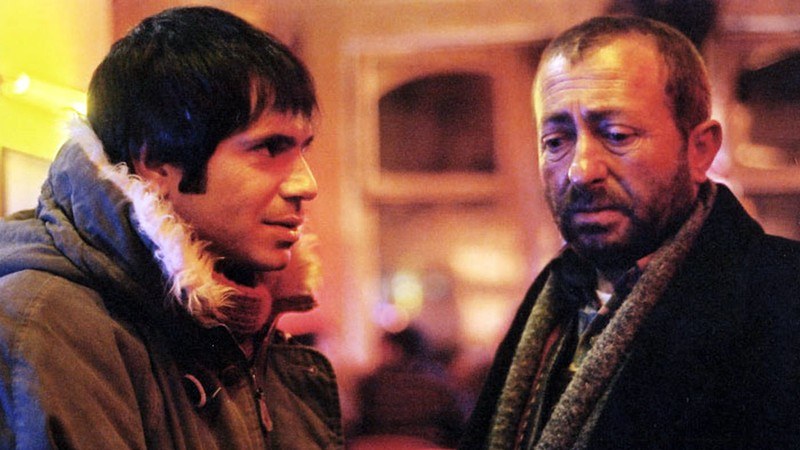
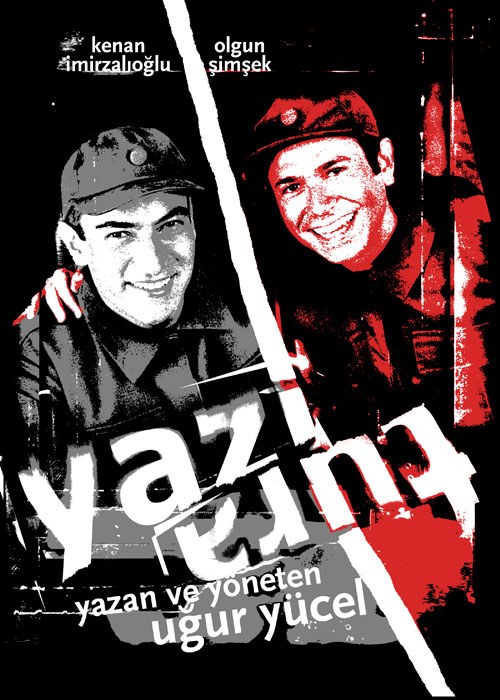
Yazı Tura (Toss-Up) is a 2004 Turkish drama produced, written and directed by Uğur Yücel, with music by Erkan Oğur. It reached cinemas across Turkey on September 24, 2004. Kenan İmirzalıoğlu and Olgun Şimşek play the two leads.

İmirzalıoğlu is Cevher, nicknamed the Ghost, from Istanbul; Şimşek is Rıdvan, the Devil, a footballer from Göreme. They served together in the south-east, where Rıdvan lost a leg to a mine and Cevher lost an ear. Back home they are no longer the men they were. Rıdvan tries to carry on in Ürgüp and Cevher in Istanbul, but their injuries and what they lived through make ordinary life hard to return to, and Cevher also grieves a father killed under rubble in an earthquake. The film cuts between the two lives; Cevher's thread reaches the Turkish-Greek question, Rıdvan's the Turkish-Kurdish one.

The cast includes Bahri Beyat as Father Cemil, Ahmet Mümtaz Taylan as Uncle Maki, Eli Mango as Tasula, Engin Günaydın as Sencer, Erkan Can as Firuz, Seda Akman as Nazan, plus Teoman Kumbaracıbaşı, Settar Tanrıöğen and Levent Can. At the 41st Antalya Golden Orange festival it took a record eleven awards, among them best film, director, screenplay, actor (Şimşek), supporting actor (Beyat), supporting actress (Mango) and music.

DirectorUğur Yücel
Toss-Up (Yazı Tura)

Reactions

You can pick up to 3 reactions.

Cast

Also in the cast: Bahri Beyat, Eli Mango

Through different eyes

AI-assisted editorial takes written from different viewer perspectives. They are not reader reviews; those are below.

Cinephile Looks at script, editing and directing choices; keeps a distance from formula films.

The cross-cutting between two separate lives is the film's boldest choice: Cevher's grief in Istanbul and Rıdvan's struggle in Ürgüp both mirror and resist each other. That Uğur Yücel writes, directs and produces such a personal and political subject gives the film coherence, though it can also leave some stretches loose. The record number of Golden Orange awards shows it was taken seriously; awards aside, the effort to hold two narratives in balance deserves respect.

History & Society Lens Asks about the period, the social background and what the work reflects.

The price of the service in the south-east is not only a leg and an ear: those who come home can no longer live as before. Through Cevher the film reaches the Turkish-Greek question, and through Rıdvan the Turkish-Kurdish one, with earthquake grief on top. Gathering such heavy subjects in one film is ambitious, and some risk staying on the surface. By setting Istanbul against Ürgüp it tries to look at two sides of the country at once, which is especially valuable for anyone wanting to understand the social tensions of its time and the rupture of those who come home from service.

Family Viewer Asks whether the whole household can watch it; cares about humor and heart.

A heavy film. It is about two men wounded in the south-east, and another who lost his father in an earthquake. Not one for small children; the themes can be distressing. A serious drama that grown-ups can watch and talk about together. Not suitable for anyone after light entertainment. Its awards help explain its weight.

Reviews (0)

Log in Log in to write a review.

Comments