Crossing the Bridge: The Sound of Istanbul

Crossing the Bridge: The Sound of Istanbul

Movie · 2005 · 9 people

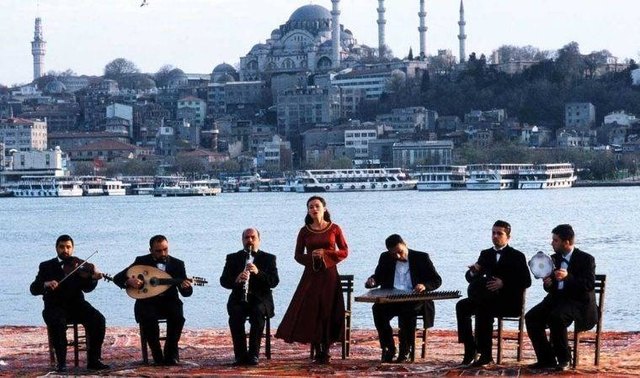
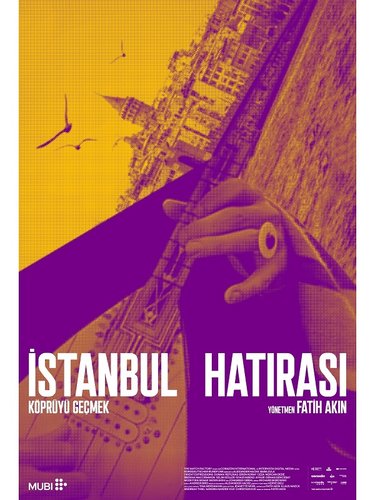
In Crossing the Bridge: The Sound of Istanbul (İstanbul Hatırası: Köprüyü Geçmek), a 2005 documentary, music rather than any single person is the real subject. It is Fatih Akın's first feature-length documentary, a German-Turkish co-production. The film was shown out of competition at the 2005 Cannes Film Festival and opened in Turkish cinemas on May 27, 2005.

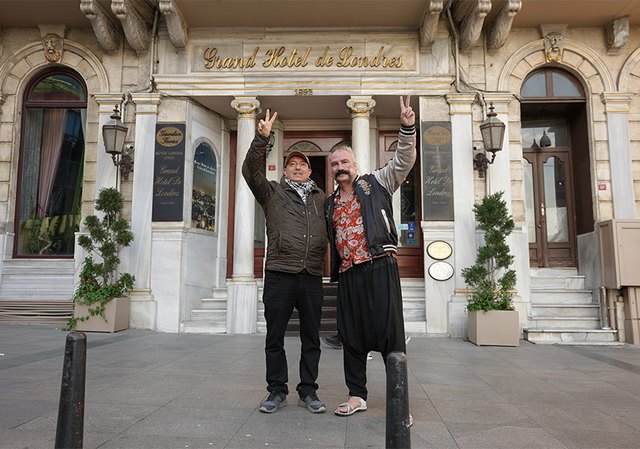
The narrator is Alexander Hacke, bassist of Einstürzende Neubauten. He arrives in Istanbul knowing no Turkish, carrying a mobile studio and a microphone, to capture the city's different musical worlds. Meeting Selim Sesler is the first turning point, and where words fall short, music takes over. Many more musicians and singers then join in, among them Baba Zula, Orient Expressions, Duman, Replikas, Erkin Koray, Ceza, Ayben, Mercan Dede, Aynur Doğan, Orhan Gencebay, Müzeyyen Senar, Sezen Aksu and Sertab Erener. The result is a many-voiced portrait, from classical Turkish music to indie rock and rap.

The film also asks how genres and musical cultures speak to one another and to society, daily life and politics. Akın sat on the Cannes jury that year, which is why the film could not compete. He had earlier won the Golden Bear in Berlin for Head-On.

DirectorFatih Akın
Crossing the Bridge: The Sound of Istanbul Crossing the Bridge: The Sound of Istanbul

Reactions

You can pick up to 3 reactions.

Cast

Through different eyes

AI-assisted editorial takes written from different viewer perspectives. They are not reader reviews; those are below.

Yeşilçam Nostalgic A viewer raised on the classics, looking for warm storytelling and strong acting.

Hearing Müzeyyen Senar, Orhan Gencebay and Sezen Aksu in the same film is a gift in itself for anyone whose heart is full of old songs. Fatih Akın portrays Istanbul as a city of music, and on this journey from classical Turkish music to rap every voice finds its place. To an ear raised on the classics, the younger generation's rock and rap acts are part of the same city; that polyphony is the city's true face. A portrait made with love, where music speaks when words run out.

Cinephile Looks at script, editing and directing choices; keeps a distance from formula films.

Akın's first feature-length documentary moves through an outsider's eyes rather than a conventional narrator: Alexander Hacke, who speaks no Turkish, roams the city's musical worlds with a mobile recording studio and a microphone. The choice of a foreign guide is a smart one; the audience discovers alongside him. The structure is episodic, though, each musician little more than a stop on the route, and some segments pass by without going deeper. The broad range from Baba Zula to Müzeyyen Senar is the film's strength, but also the cause of its scattered feel. Bringing so many voices together in a single documentary is ambitious; the result is not flawless, but it is a lively, sincere documentary.

History & Society Lens Asks about the period, the social background and what the work reflects.

The film reads Istanbul as a city where genres and musical cultures touch. Its range, from classical Turkish music to indie rock and rap, brings the city's different generations and communities into a single frame. The documentary also asks how music talks to society, everyday life and politics, which makes it more than a concert film: a time capsule of mid-2000s Istanbul. Having a guide who speaks no Turkish offers an outsider's view of the city; that view is fresh, but it can sometimes miss layers that would be visible from the inside.

Reviews (0)

Log in Log in to write a review.

Comments