Kır Gönlünün Zincirini

Break the Chains of Your Heart (Kır Gönlünün Zincirini) (translated)

Movie · 1981 · 9 people

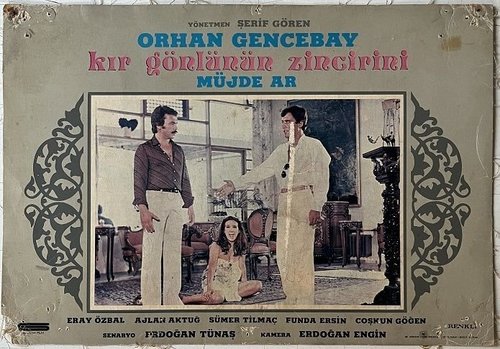
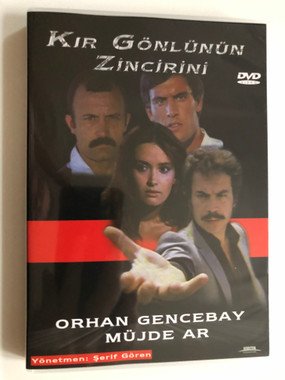
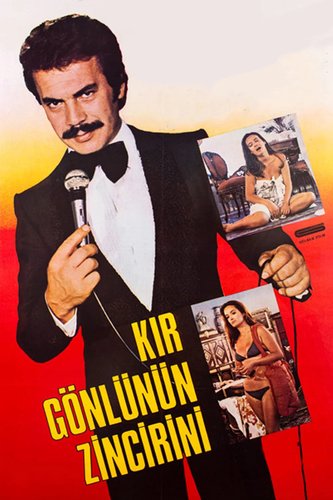
Kır Gönlünün Zincirini (“Break the Chains of Your Heart”) is the work of Şerif Gören, who directed it as an arabesque musical drama. The screenplay is by Erdoğan Tünaş, the cinematography by Erdoğan Engin, and the producers were Selim Soydan and Emrah Şimşit for Gülşah Film, with Yeni Lale Film credited for preparation. The colour 35 mm film runs about 87 minutes and blends music, drama, arabesque and sentiment. Sources date it to 1981 or 1980. Orhan Gencebay, a well-known name in arabesque music, plays the singer at its centre.

The story follows the singer Orhan, who learns on his way back from a tour that his sister Gülcan has taken her own life. Erman, the son of a rich businessman, had deceived her with a promise of marriage. Orhan first rises to fame, then draws close to Erman’s sister Ebru. His plan does not go as intended.

Orhan Gencebay plays Orhan and Müjde Ar plays Ebru. Gülçin Feray is Gülcan and Eray Özbal is Erman. Sümer Tilmaç plays Haşim, Ajlan Aktuğ Keçi Mehmet, Seyfettin Karadayı Ebru’s father and Nuri Tuğ Orhan’s father, with Garibe Gündem as Orhan’s mother. The film is remembered among the music-driven melodramas Gencebay brought to the screen in the early 1980s.

DirectorŞerif Gören
Production companyGülşah Film
Break the Chains of Your Heart (Kır Gönlünün Zincirini) Break the Chains of Your Heart (Kır Gönlünün Zincirini)

Reactions

You can pick up to 3 reactions.

Cast

Through different eyes

Yeşilçam Nostalgic A viewer raised on the classics, looking for warm storytelling and strong acting.

The music-driven melodramas Orhan Gencebay brought to the screen in the early 1980s capture the emotional world of an era, and this film sits squarely in that tradition. It is built so that the songs share the weight of the story, with a brother's grief and a sense of injustice at the fore. For those who love Gencebay's voice, its real value lies in how closely the music is woven into the plot. Yet in a story built on revenge, one misses at times the compassion of the older melodramas; to my mind, the moral centre stays in the shadow of resentment.

History & Society Lens Asks about the period, the social background and what the work reflects.

Arabesque cinema's class map is clear here too: on one side, a rich businessman's son who deceives a young woman with a promise of marriage; on the other, a singer who pours his pain into song. That Orhan must first climb to fame before he can pursue revenge reflects a social fantasy of the time, an order in which the poor reach power only through celebrity. The women of the story, meanwhile, are left largely as instruments in a reckoning between men. Films like this are a valuable window onto the emotional needs large audiences were seeking to meet in the early 1980s.

Family Viewer Asks whether the whole household can watch it; cares about humour and heart.

The story turns on a sister's suicide and the revenge plan that follows. That is a heavy theme for young children. Grown-ups who love Gencebay's songs, grandparents especially, can enjoy it. If you watch with teenagers, be ready to talk about the suicide afterwards. Don't put it on expecting a light family music film.

These are not reader reviews: they are short editorial takes written from different viewer perspectives with AI assistance. Reader reviews are below.

Reviews (0)

Log in Log in to write a review.

Comments