

7 Numara (Yedi Numara)
Created by Oya Yüce, Yedi Numara (Number Seven) ran on TRT 1 for three seasons from October 9, 2000 to June 23, 2003, as a Turkish youth comedy and sitcom largely confined to one home. It was meant to end with episode 75 in June 2002, but heavy requests to TRT led to a decision to continue, and it ended with episode 92. It ranked near the top of the ratings and, repeated often through the 2000s, became one of the most replayed series in Turkish TV history.
The story takes place in Istanbul. Four friends who study at the same university, with families in other cities, rent the upper floor of the wooden house owned by Vahit and Zeliha Ballıoğlu, a couple with no children. When Vahit's relatives from the countryside settle downstairs, the clashes begin, yet the young people gradually grow close and find they differ less than they seem. Later episodes add Sabit Ballıoğlu, Yusuf Güdük and others. Şebnem Sönmez, Engin Alkan, Tuba Erdem and Okan Selvi lead, with Ayça Mutlugil, Nuray Uslu, Gülden Güney and Volkan Girgin.
The first 13 episodes were shot in a two-story wooden house in Kandilli, Üsküdar; from episode 14 the production moved to a four-story building in Arnavutköy, Beşiktaş. Some exteriors were shot around Beşiktaş.
| Network | TRT 1 |
|---|

Reactions
You can pick up to 3 reactions.
Cast
 Atılgan Gümüş
Kunter
 Bülent Alkış
Refik
 Engin Alkan
Vahit Ballıoğlu
 Gürkan Uygun
Anıl
 Mustafa Üstündağ
 Orhan Eşkin
 Çağlar Çorumlu
Yusuf Güdük
 Cenk Tunalı
 Ruhi Sarı
Satılmış Ballıoğlu
 Taner Ertürkler
 Olgun Şimşek
Sabit Ballıoğlu
 Beyazıt Öztürk
 Ahu Türkpençe
Seher
 İlker Ayrık
Toygun Ateş
 Ali Atay
Leo
 Şebnem Sönmez
Zeliha Ballıoğlu
 Binnur Kaya
Hürrem
 Serdar Orçin
Cihan
 Bülent İnal
Mümtaz
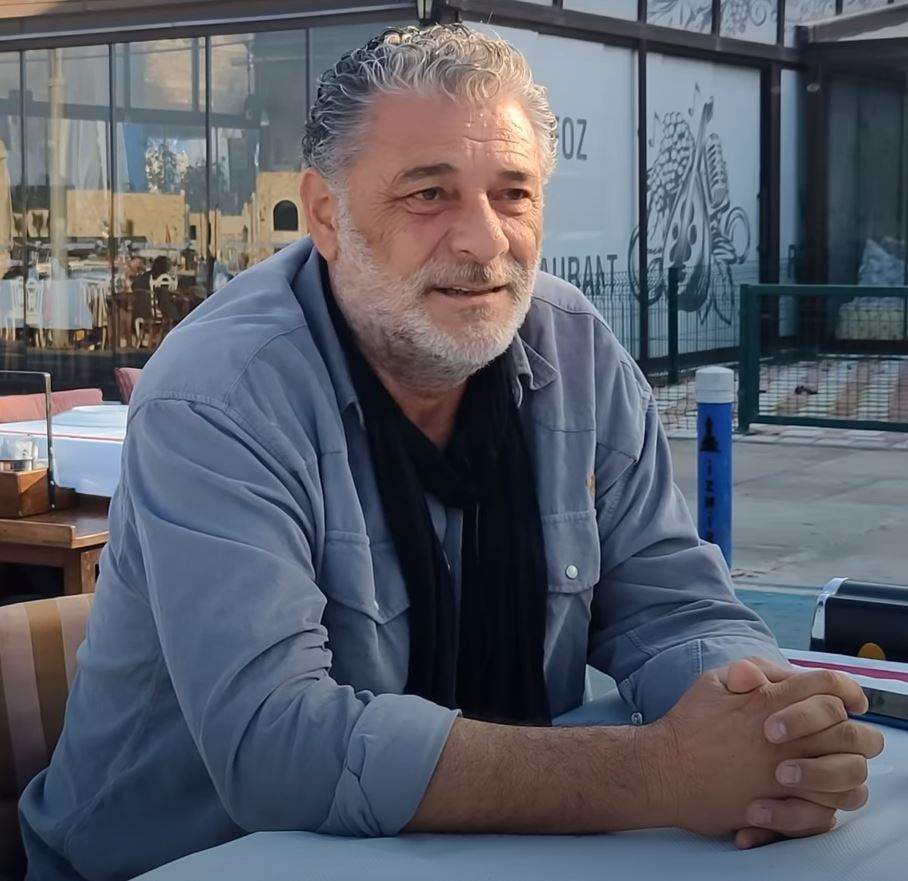 Özcan Varaylı
 Namık Kemal Yiğittürk
 Yurdaer Okur
Psikolog Kaan
 Emin Olcay
Veli Baba
 Engin Hepileri
Vural
 Demet Evgar
Yeliz
 Asuman Dabak
Türkan
Also in the cast: Tuba Erdem, Okan Selvi (Haydar Ballıoğlu), Ayça Mutlugil (Ayten Mutlugil), Nuray Uslu, Gülden Güney, Volkan Girgin (Recep Ballıoğlu)






Comments