

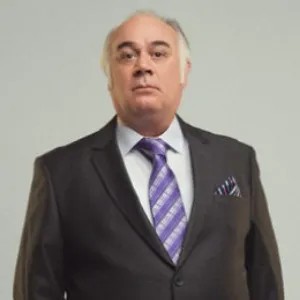
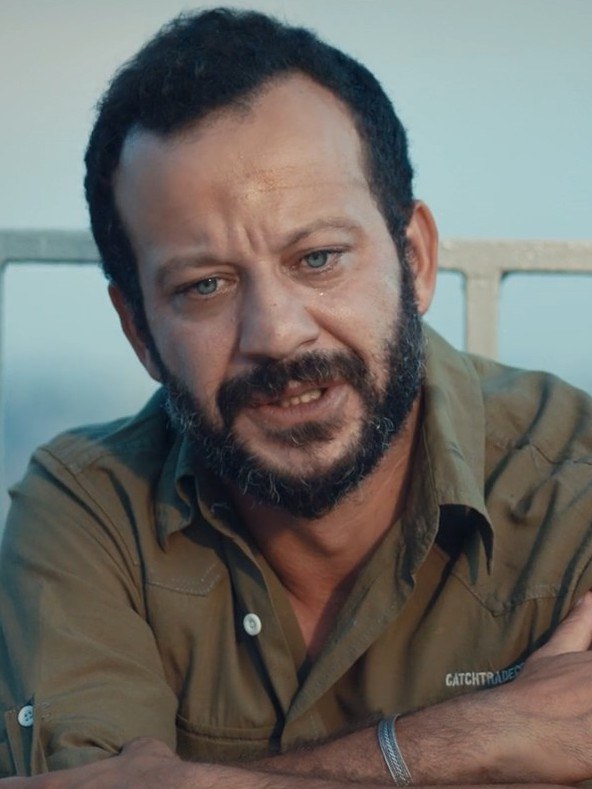
Umut Kurt
Actor · 45 years old
Servan in the series İnci Taneleri
Profile
| Age | 45 |
|---|---|
| Birth date | April 17, 1981 |
| Birthplace | Erzincan |
| Profession | Actor |
| Zodiac sign | Aries |
| Eye color | Brown |
| Education | Müjdat Gezen Art Centre |
| Spouse | Melisa İnci |


Filmography / Projects
-
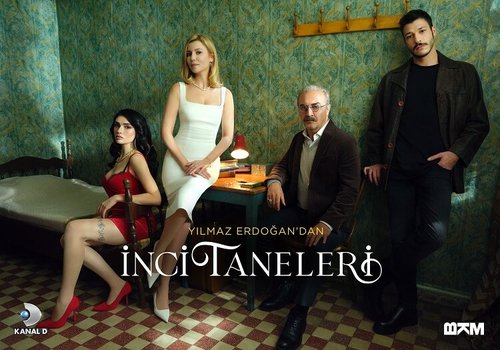 Pearls (İnci Taneleri) (translated)
-
 Asaf
-
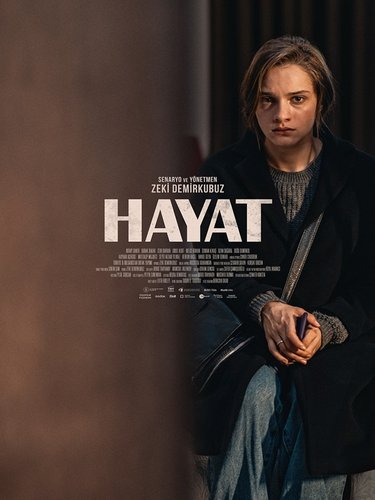 Life (Hayat)
- Yanıltıcı Derinlikler
-
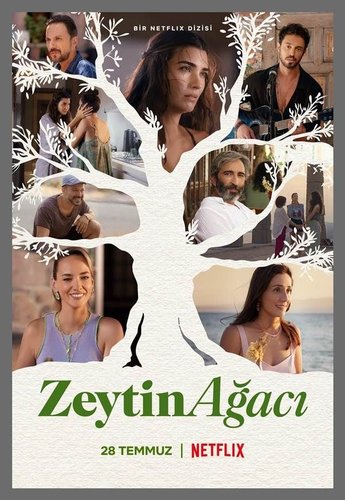 Another Self (Zeytin Ağacı)
-
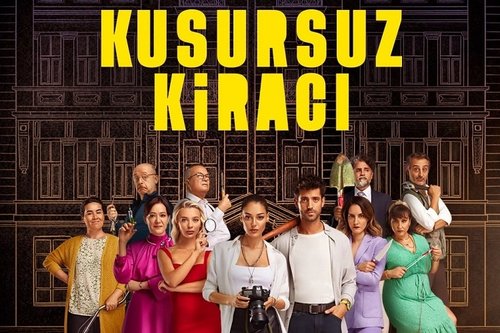 The Perfect Tenant (Kusursuz Kiracı) (translated)
- Pembe Eldiven
- 12 Saat
-
 Either Independence or Death (Ya İstiklal Ya Ölüm) (translated)
- Şeref Sözü
-
 Dark Comedy Movies (Karakomik Filmler) (translated)
-
 Commitment (Bağlılık Aslı)
- Gerçek Kesit: Manyak
-
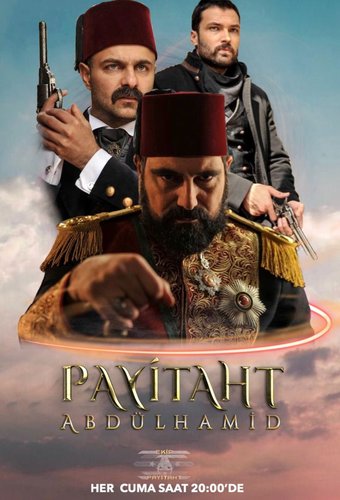 The seat of power: Abdulhamid (Payitaht Abdülhamid)
- Madımak: Carina'nın Günlüğü
-
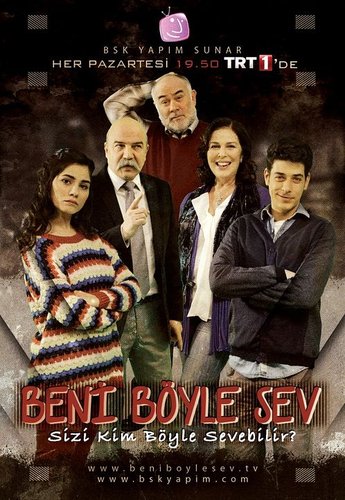 Love Me As I Am (Beni Böyle Sev) (translated)
-
 I Object (İtirazım Var) (translated)
-
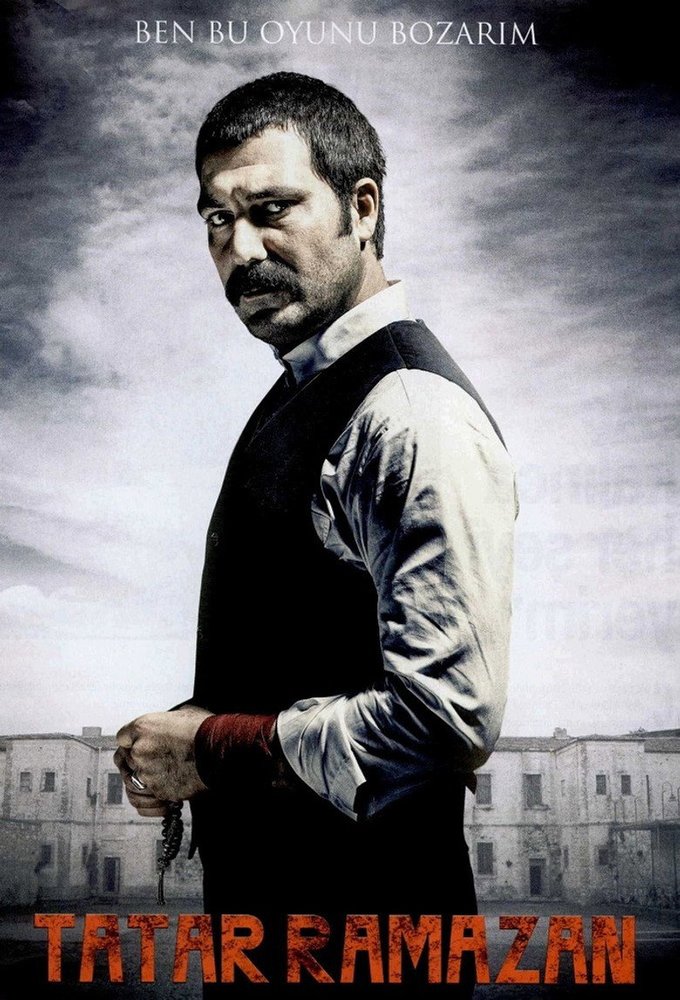 Tatar Ramazan
- We Grew Up Without a Father (Biz Babasız Büyüdük) (translated)
- High Entrance (Yüksek Giriş) (translated)
-
 Çanakkale: End of the Road (Çanakkale: Yolun Sonu) (translated)
-
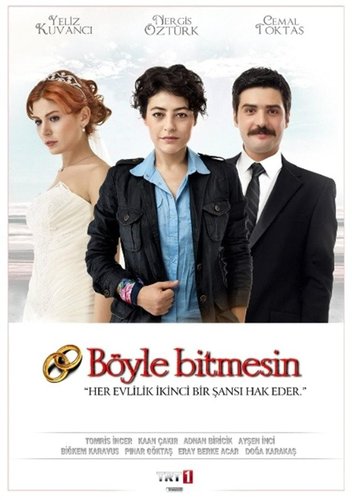 Let It Not End This Way (Böyle Bitmesin) (translated)
-
 I Never Like Sundays (Pazarları Hiç Sevmem) (translated)
-
 Purple Violets (Mor Menekşeler) (translated)
- Thanks to My Father (Babam Sağolsun) (translated)
-
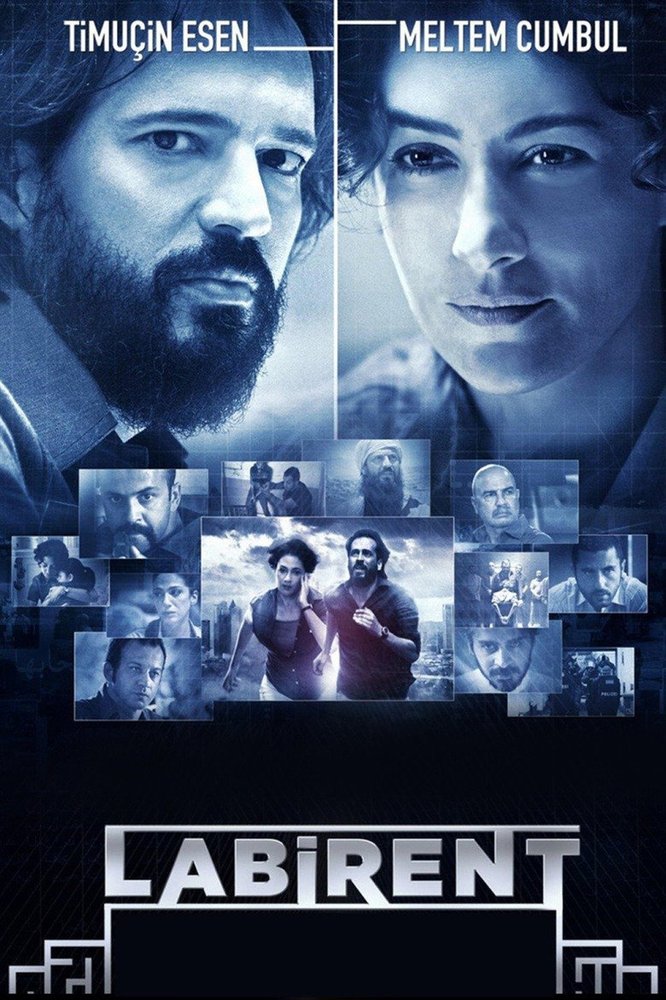 Labyrinth (Labirent) (translated)
-
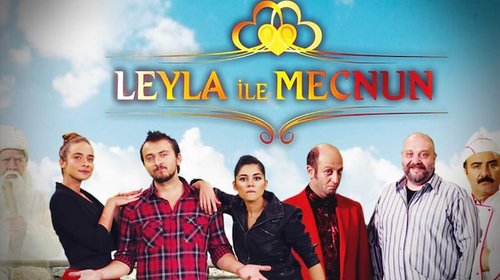 Leyla and Mecnun (Leyla ile Mecnun) (translated)
-
 Güneydoğudan Öyküler Önce Vatan
-
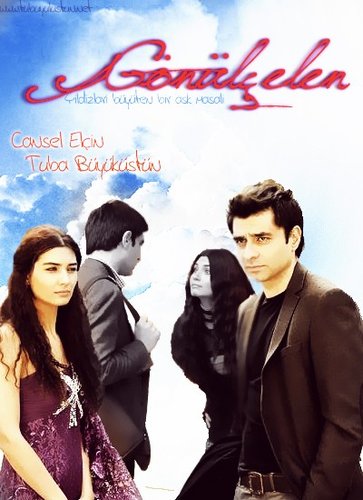 Heartbreaker (Gönülçelen) (translated)
-
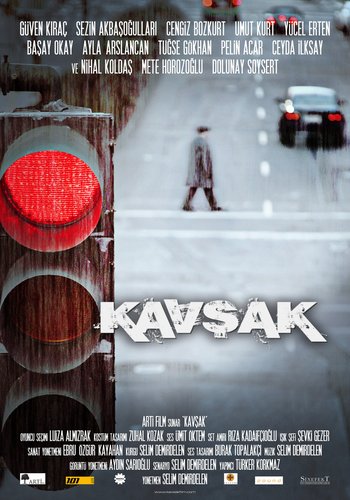 The Crossroads (Kavşak) (translated)
- The Novice Muezzin (Acemi Müezzin) (translated)
-
 Pains of Autumn (Güz Sancısı)
- The Wedding Singer (Düğün Şarkıcısı) (translated)
-
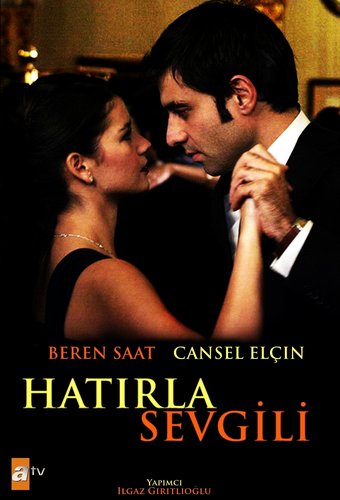 Remember, My Dear (Hatırla Sevgili) (translated)
- Hisseli Harikalar Kumpanyası
-
 The International (Beynelmilel)
-
 A Bouquet of Theatre (Bir Demet Tiyatro) (translated)
-
 Magic Carpet Ride (Organize İşler)
-
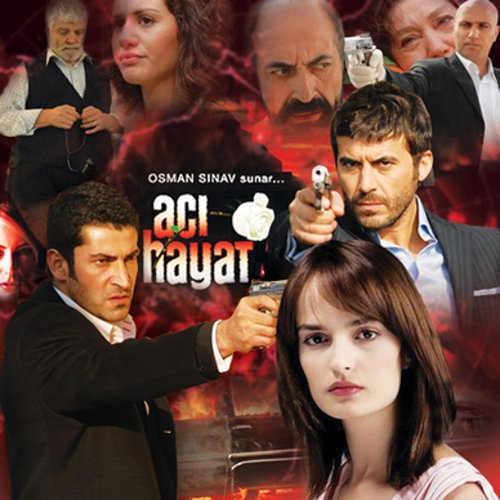 Bitter Life (Acı Hayat) (translated)
- Eye of the Heart (Kalp Gözü) (translated)
- Metropolis Nightmare (Metropol Kabusu) (translated)
Umut Kurt — Biography
Umut Kurt is an actor who came from the stage and has worked across a wide range of film and television; he is best known for the film Beynelmilel and the series Hatırla Sevgili. Alongside acting he is noted for playing the bağlama and singing folk songs. In 2026 he joined the series İnci Taneleri as Servan.
He began on stage in amateur companies in 1997 and, after graduating from the Müjdat Gezen Art Center, joined the Beşiktaş Cultural Center actors, appearing in plays such as Hisseli Harikalar Kumpanyası, Festen, Pornografi and Jekyll & Hyde. He first faced a camera in 2003 in Metropol Kabusu. In cinema he became known through Organize İşler, Beynelmilel, Güz Sancısı, Kavşak, Labirent and Çanakkale: Yolun Sonu; for Kavşak he received the Promising Actor award at the International Golden Boll Film Festival in 2010. On television he appeared in Gönülçelen, Tatar Ramazan and Beni Böyle Sev (as Mazhar).
From 2017 he played Captain Celal in Payitaht Abdülhamid, and in later years he worked on Karakomik Filmler, Bağlılık Aslı, Zeytin Ağacı, Kusursuz Kiracı, Hayat and Asaf. He married Melisa İnci in 2022.
Photos



Reactions
You can pick up to 3 reactions.
Comments