Aşkın Gözyaşları

Tears of Love (Aşkın Gözyaşları) (translated)

Movie · 1959 · 4 people

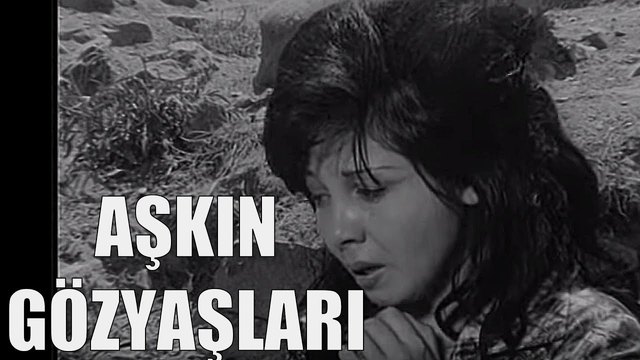
Nejat Saydam wrote and directed Aşkın Gözyaşları ("Tears of Love", also released as Şoför Ömer), a black-and-white Turkish melodrama of 1959 produced by Ümit Utku for Kervan Film, with Costas Prosos behind the camera; it runs 99 minutes. Muhterem Nur stars as Gül opposite Kemal Kan as Ömer, alongside Ahmet Tarık Tekçe as Turgut, Hadi Hün as the merchant Şevket Bey, İhsan Aşkın as Kazım Dede, plus Aysel Tanju and Necdet Tosun; Saydam himself appears in a small role as a doctor.

Orphaned as a boy, Ömer is taken in at the mansion of the wealthy merchant Şevket Bey, where his late father's friend Kazım Dede works as a steward. He befriends the merchant's daughter Gül, but the jealous Turgut and his father Rıza have him falsely branded a thief and driven from the house. Years later Ömer scrapes by driving a battered old Ford as a shared taxi, and his bond with Gül, now a conservatory student, rekindles — until Rıza, who has bought up her father's promissory notes, forces her into marriage with Turgut to stave off Şevket Bey's ruin.

Tragedy then piles up: Şevket Bey dies of a heart attack when bankruptcy arrives anyway, the gambling-addicted Turgut takes his own life, and Gül, left destitute and selling flowers in nightclubs to pay for Kazım Dede's medicine, falls ill with tuberculosis. The lovers are reunited only for Ömer to die soon after, and the picture closes on a graveside scene mirroring its opening. Its soundtrack draws on a wealth of Turkish music, from Hafız Burhan to Neyzen Tevfik, while the Italian honeymoon footage was borrowed from the 1953 film Hıçkırık, on which Saydam had worked as assistant director.

DirectorNejat Saydam
Production companyKervan Film

Reactions

You can pick up to 3 reactions.
Cast

Through different eyes

Yeşilçam Nostalgic A viewer raised on the classics, looking for warm storytelling and strong acting.

Aşkın Gözyaşları carries every vein of late-fifties Yeşilçam melodrama: an orphaned boy, an affection that blossoms in a mansion, jealousy, slander and two hearts meeting again years later. Muhterem Nur's Gül is a lovely example of the graceful, fragile heroines of those years. For me the real magic is in the music; a selection reaching from Hafız Burhan to Neyzen Tevfik turns the film into something like an album of feeling. Even the Italian footage borrowed from Hıçkırık seems part of the particular innocence of that era. Keep the handkerchiefs close.

Cinephile Looks at script, editing and directing choices; keeps a distance from formula films.

Written and directed by Nejat Saydam, Aşkın Gözyaşları is a melodrama that pushes the rules of the genre to their limit. Its structure rests almost entirely on stacking misfortunes: promissory notes, bankruptcy, gambling and illness follow one another, and in the second half of its ninety-nine minutes the pile-up risks producing fatigue rather than drama. Opening on a graveyard scene, on the other hand, is a deliberate choice that sets the tone from the first minute. Costas Prosos's black-and-white photography and the heavy use of music are the real carriers of emotion. That the Italian honeymoon footage comes from Hıçkırık, on which Saydam was assistant director, is a telling detail about the practical production solutions of the time.

History & Society Lens Asks about the period, the social background and what the work reflects.

The film uses the language of melodrama to show how class difference stood in the way of love at the end of the fifties. On one side is the wealthy merchant Şevket Bey in his mansion; on the other is Ömer, left alone in the world, who years later scrapes a living driving a battered Ford as a shared taxi. The dolmuş is a realistic detail of how the lower classes earned their bread in the growing city of the time. Gül, a conservatory student, being pushed into a marriage she does not want because of promissory notes plainly shows an order in which a woman's fate is tied to her father's finances. The steward Kazım Dede, meanwhile, is a reminder of the service relationships of mansion life.

These are not reader reviews: they are short editorial takes written from different viewer perspectives with AI assistance. Reader reviews are below.

Reviews (0)

Log in Log in to write a review.

Comments