Until I Lose My Breath (Nefesim Kesilene Kadar)

Until I Lose My Breath (Nefesim Kesilene Kadar)

Movie · 2015 · 10 people

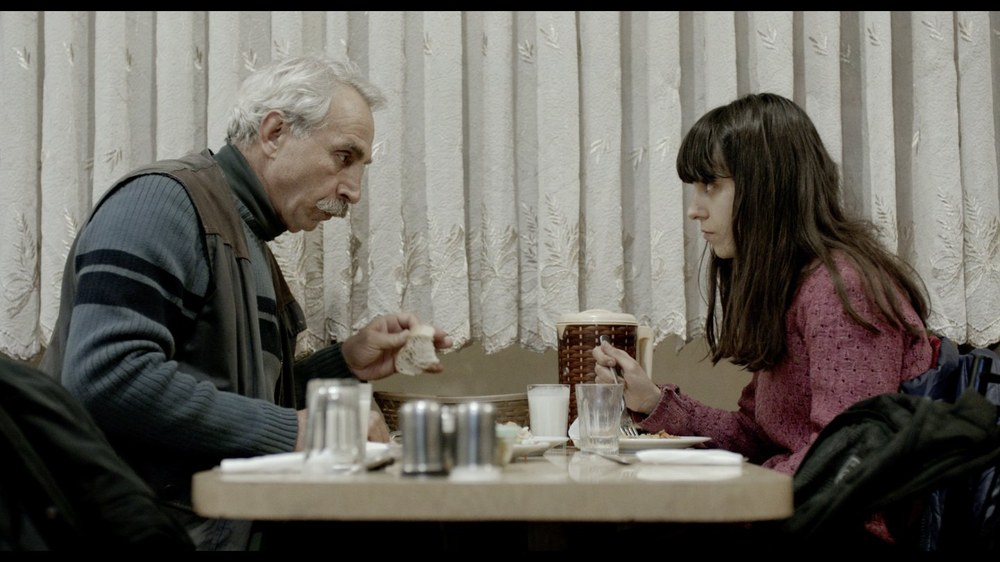
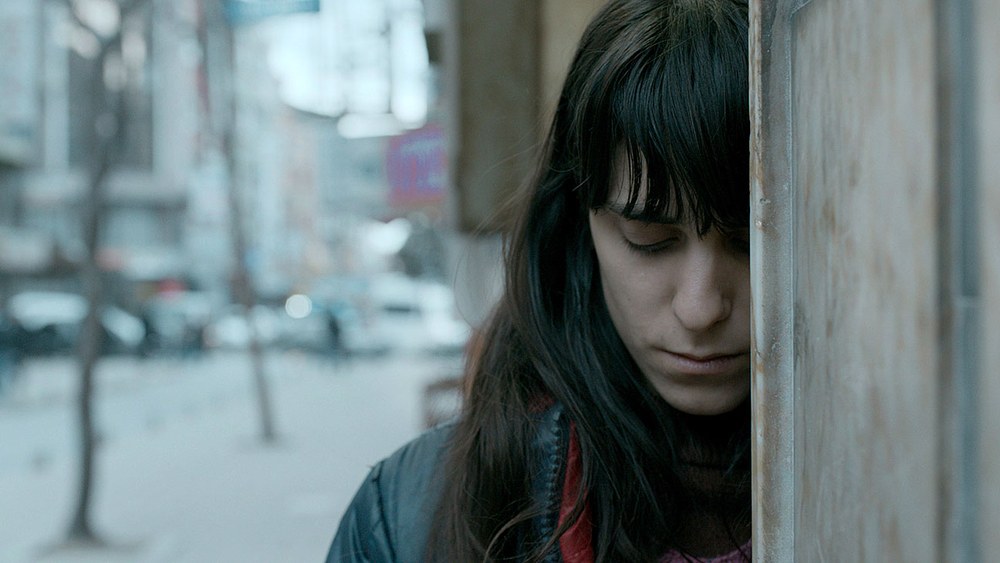
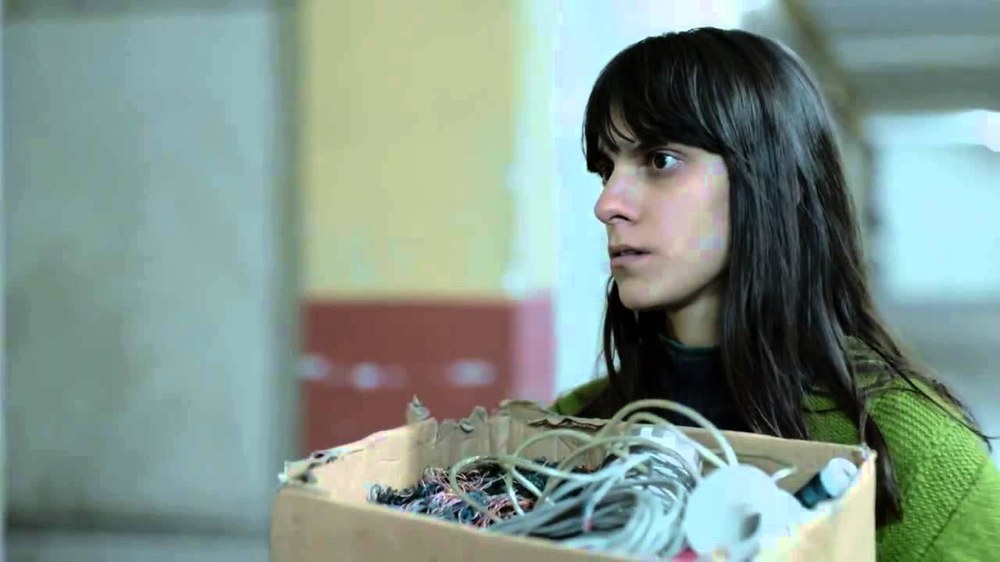
Nefesim Kesilene Kadar (Until I Lose My Breath) is a 2015 Turkish-German co-production written and directed by Emine Emel Balcı, her first feature. It follows a textile-workshop worker in Istanbul who dreams of a home of her own, and runs 94 minutes. It was shot in Istanbul's Bağcılar and Bayrampaşa districts. It premiered at the 2015 Berlin Film Festival and had its first Turkish screening at the 22nd Altın Koza Film Festival.

At its center is Serap, a young woman who works as a middleman at the workshop, played by Esme Madra. Raised in an orphanage, Serap lives with her sister and brother-in-law and dreams of a home of their own with her father, a long-distance truck driver. The cast also includes Rıza Akın, Sema Keçik, Gizem Denizci, Ece Yüksel and Uğur Uzunel; Ece Yüksel plays Funda.

Its acting awards stand out. Madra won a Special Mention at the 16th Jeonju Film Festival in South Korea, Best Actress at the 6th Malatya International Film Festival and Best Actress at the 48th SİYAD Awards. Yüksel received the Türkan Şoray Promising Young Actress award at Altın Koza, "Young Witch" at the 19th Flying Broom Women's Film Festival and the Ekrem Bora Promising Actor award at the 21st Sadri Alışık Awards.

DirectorEmine Emel Balcı
Until I Lose My Breath (Nefesim Kesilene Kadar) Until I Lose My Breath (Nefesim Kesilene Kadar) Until I Lose My Breath (Nefesim Kesilene Kadar)

Reactions

You can pick up to 3 reactions.

Cast

Through different eyes

Cinephile Looks at script, editing and directing choices; keeps a distance from formula films.

In her first feature, Emine Emel Balcı deliberately avoids anything showy. Real locations in Bağcılar and Bayrampaşa turn the textile workshop from a set into the film's very texture. At the center is Serap's dream of a home, and the script uses that single desire as its dramatic engine right to the end. Esme Madra's awards, from Jeonju to Malatya to SİYAD, are no accident; the film rests almost entirely on her performance. That choice is a strength but also a risk: because the story moves through inner tension rather than outward events, the pace may feel heavy to an impatient viewer. Measured as a festival film that premiered in Berlin, it is an uncompromising and coherent debut.

History & Society Lens Asks about the period, the social background and what the work reflects.

This is one of the few films to look closely at Istanbul's workshop economy. Serap working as a middleman is a telling detail: neither boss nor ordinary worker, she is caught between the two. A young woman raised in an orphanage, living with her sister and brother-in-law and dreaming of a home with her truck-driver father; that dream ties precarious labor and the housing problem to a personal story. The film offers no solutions and avoids slogans. For anyone who wants to understand urban poverty, women's labor and the search for belonging, it repays careful attention.

Family Viewer Asks whether the whole household can watch it; cares about humor and heart.

This is not one to pick for a family evening. It is a heavy, thought-provoking adult drama; it will not suit anyone looking for fun or comedy, and it does not speak to young children. It means more to adults and high-school-age teens who want to talk about working life and the struggle to own a home. It is a story worth discussing afterwards.

These are not reader reviews: they are short editorial takes written from different viewer perspectives with AI assistance. Reader reviews are below.

Reviews (0)

Log in Log in to write a review.

Comments